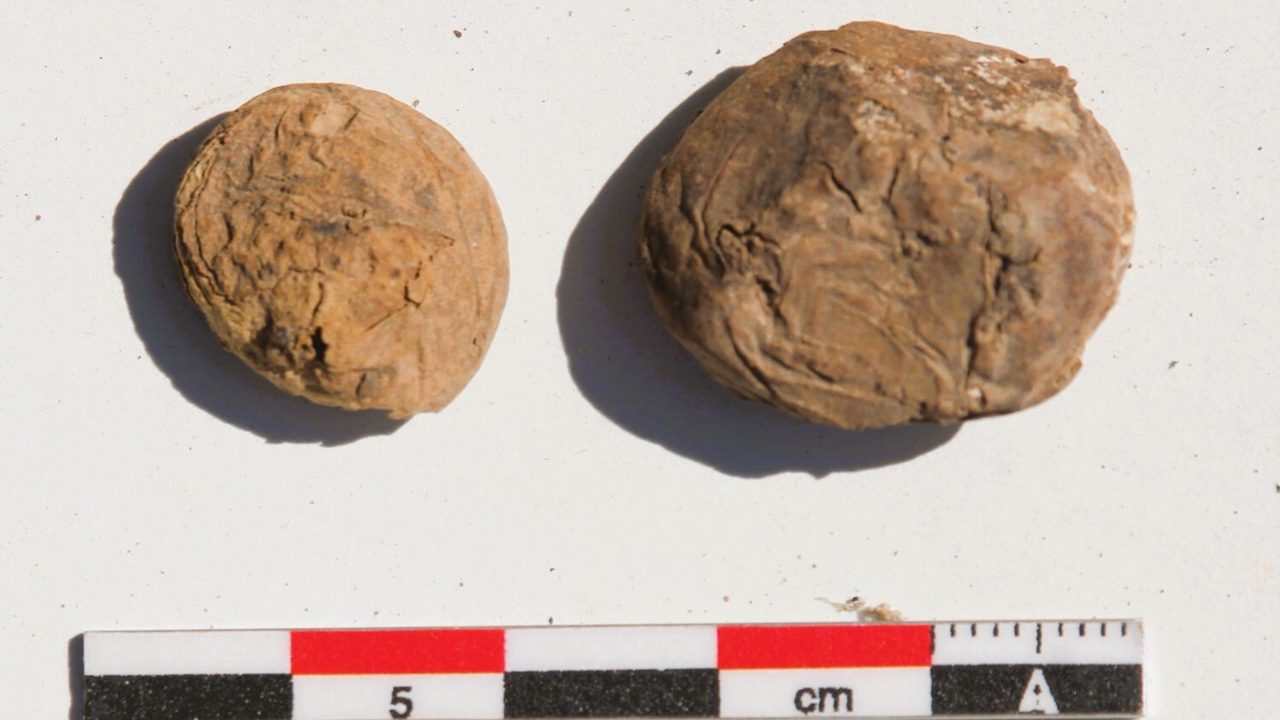
Archaeologists excavating an Inca storage facility in Peru have uncovered freeze-dried potatoes dating back approximately 500 years. The discovery reveals how the Inca civilization preserved and transported food across vast distances to sustain their population during periods of scarcity.
The potatoes, known as chuño, represent a sophisticated preservation technique that the Inca developed to ensure food security across their empire. The freeze-drying process involved exposing potatoes to the cold mountain nights and warm daytime sun of the Andes, naturally dehydrating them while concentrating nutrients and extending shelf life for years. This method allowed the Inca to store massive quantities of food in central repositories.
The storage facility where researchers discovered these specimens indicates the Inca transported chuño hundreds of miles from highland growing regions to lower elevations and population centers. This logistical achievement demonstrates the empire's advanced understanding of food preservation and distribution networks. Archaeological teams documented the potatoes in situ before careful removal and analysis.
The find provides direct material evidence of Inca food storage practices previously known only through Spanish colonial accounts and ethnographic records. Physical examination of the specimens offers researchers opportunities to study the composition and nutritional content of preserved foods, as well as confirm ancient agricultural production levels and trade routes.
The discovery underscores how the Inca maintained one of the most extensive pre-Columbian empires despite challenging mountain terrain and unpredictable climate conditions. Food security formed the foundation of their political and military power, enabling them to support large standing armies and administrative bureaucracies.
Live Science reported the finding based on archaeological work in Peru. The research contributes to broader scholarly understanding of Andean agricultural innovation and the organizational systems that supported the Inca state. Similar chuño production continues among indigenous Andean communities today, preserving a cultural practice spanning at least five centuries.