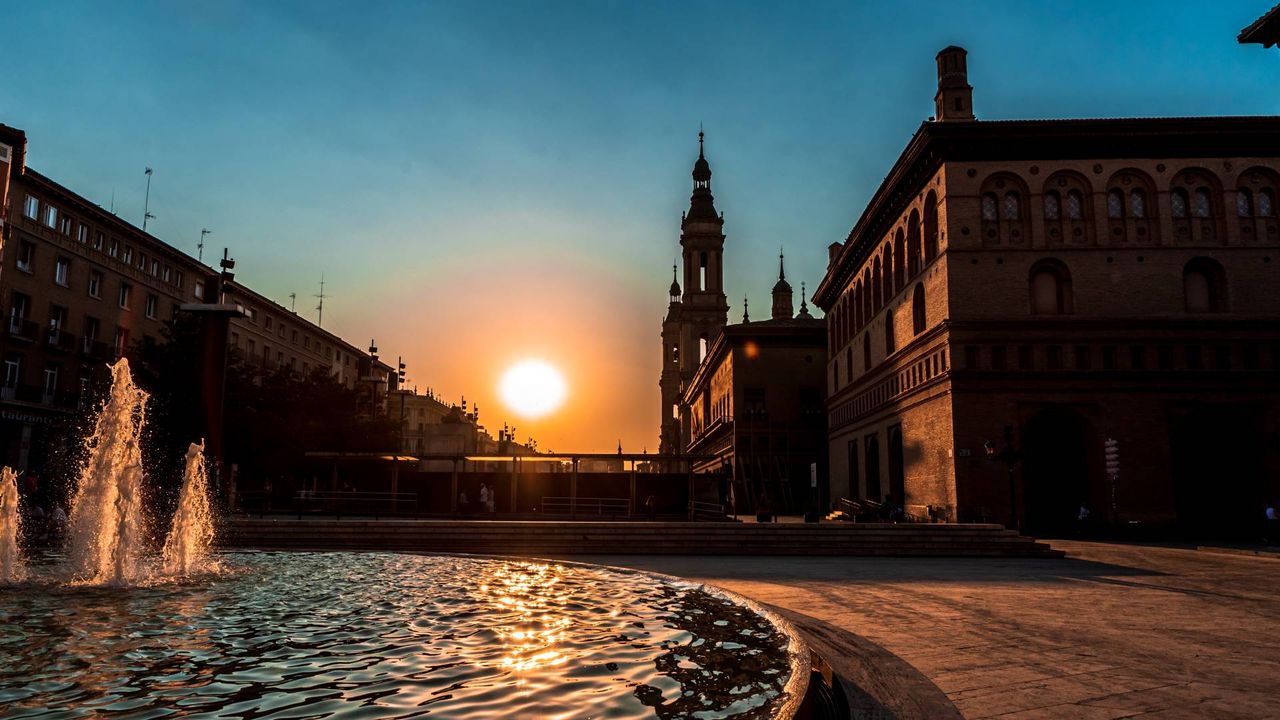
A total solar eclipse will cross Spain on August 12, 2026, passing through ten major cities including A Coruña, Bilbao, Madrid, and Zaragoza. This rare celestial event offers Spanish residents and eclipse chasers an exceptional viewing opportunity without extensive travel.
The eclipse path will traverse multiple population centers across the Iberian Peninsula, making it one of the most accessible total solar eclipses for European observers in recent years. Cities along the path of totality will experience the moon completely blocking the sun's disk, transforming day into twilight for several minutes. Observers outside the path will see only a partial eclipse.
Total solar eclipses occur when the moon passes directly between Earth and the sun, casting a shadow on Earth's surface. The 2026 event represents the next opportunity for Spanish audiences to witness this phenomenon. Previous total solar eclipses visible from Spain occurred in 1990 and earlier, making this event notable for those who missed earlier opportunities.
Major Spanish cities positioned in the path include A Coruña in the northwest, Bilbao in the Basque Country, and Madrid and Zaragoza in central Spain. The variation in location options allows observers to select viewing sites based on accessibility, weather forecasts, and local conditions. Different cities will offer distinct atmospheric and cultural settings for experiencing the eclipse.
Astronomers recommend selecting observation locations well in advance, as eclipse events attract large crowds. Weather conditions during August in Spain vary by region, with northern coastal areas potentially facing cloud cover while central Spain typically experiences clearer skies. Proper eye protection using ISO 12312-2 certified eclipse glasses remains essential for safe observation.
The 2026 eclipse provides researchers an opportunity to study solar phenomena during the brief period of totality. Scientists plan observations of the sun's corona, solar prominences, and other features normally obscured by the sun