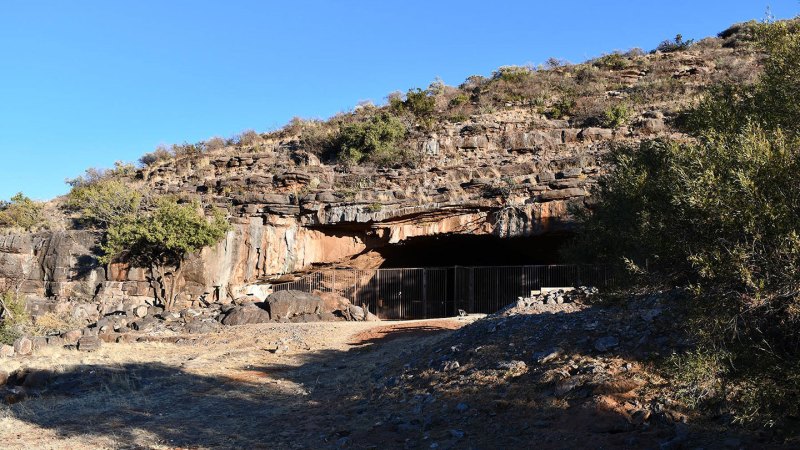
Archaeologists have pushed back the timeline of hominin fire use to 1.79 million years ago, nearly 400,000 years earlier than previously established evidence suggested.
The discovery emerges from excavations at Wonderwerk Cave in South Africa, where researchers identified burnt bone and stone fragments layered within ancient sediments. These charred materials show chemical signatures consistent with controlled burning rather than natural wildfire, indicating intentional use by early hominins.
The dating places fire use during the early Pleistocene, in the hands of species like Homo habilis or possibly Australopithecus, our ancestor's contemporaries. Previous archaeological consensus pointed to controlled fire use around 1.4 to 1.5 million years ago, based on discoveries at sites in Kenya and Ethiopia.
Fire mastery represented a fundamental shift in hominin survival and development. Cooking made proteins more digestible, likely fueling brain expansion. Heat provided warmth in cooling climates. Flames offered protection from predators and enabled social gathering around hearths, potentially spurring language and complex thought.
The Wonderwerk evidence rests on careful stratigraphic analysis and chemical testing of burnt materials, though skeptics note that distinguishing human-set fires from natural ones remains challenging over such vast timescales. The site's continuous occupation and layered deposits strengthen the case, but independent confirmation from other archaeological sites would solidify these findings.
This discovery reshapes understanding of early hominin cognition and behavior. If fire use emerged nearly 2 million years ago, it suggests our ancestors possessed greater behavioral sophistication earlier than conventional models proposed. The finding also raises questions about which hominin species first wielded fire and how rapidly this knowledge spread across populations in Africa and beyond.
The research demonstrates how advances in dating techniques and chemical analysis continue to rewrite human prehistory, revealing that our lineage's command over nature runs