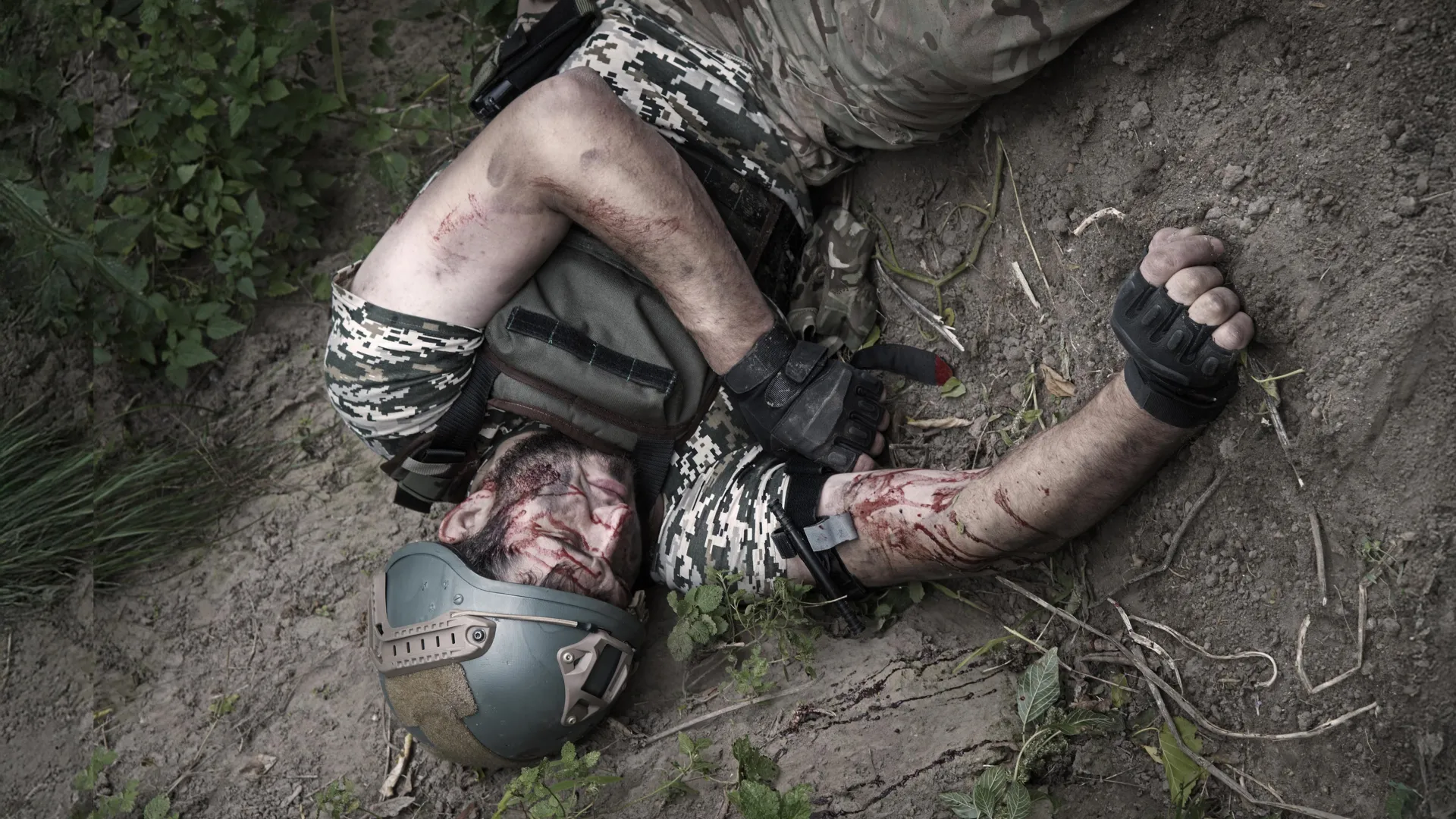
Researchers at KAIST have developed a spray-on hemostatic powder that stops severe bleeding in approximately one second by forming a strong gel layer over wounds. The powder addresses a critical gap in emergency medicine, performing effectively on deep and irregularly shaped injuries where conventional bandages and tourniquets frequently fail.
The technology works by instantly gelling upon contact with blood, creating a mechanical seal that halts bleeding rapidly. Unlike existing hemostatic products that degrade or lose effectiveness over time, this powder remains stable after years of storage even in harsh environmental conditions. This durability makes it practical for field deployment and long-term stockpiling.
The KAIST team originally designed the product for battlefield use, where rapid hemorrhage control determines survival rates. Combat medics frequently encounter penetrating wounds in difficult anatomical locations where standard compression techniques prove inadequate. The powder's speed and efficacy address this urgent need.
Beyond military applications, the technology offers substantial benefits across civilian emergency care. Paramedics treating trauma patients during transport to hospitals gain a tool that provides immediate bleeding control. In disaster scenarios involving mass casualties, spray-on hemostatic powder could dramatically improve outcomes by enabling first responders to treat multiple patients quickly. Hospital emergency departments could use it for uncontrolled bleeding in surgical or trauma settings where conventional methods fall short.
The powder's stability under extreme storage conditions expands its deployment possibilities. Medical teams can maintain supplies in field kits, disaster caches, and ambulances without requiring climate-controlled refrigeration or frequent replacement cycles, reducing logistics costs and ensuring availability when needed.
While the research demonstrates technical success, questions remain about optimal application techniques for different wound types, long-term wound healing outcomes, and cost-effectiveness compared to existing hemostatic agents. Clinical trials in human patients represent the next phase for validating safety and efficacy in real-world emergency settings.
The development reflects growing recognition that hemorrhage control remains