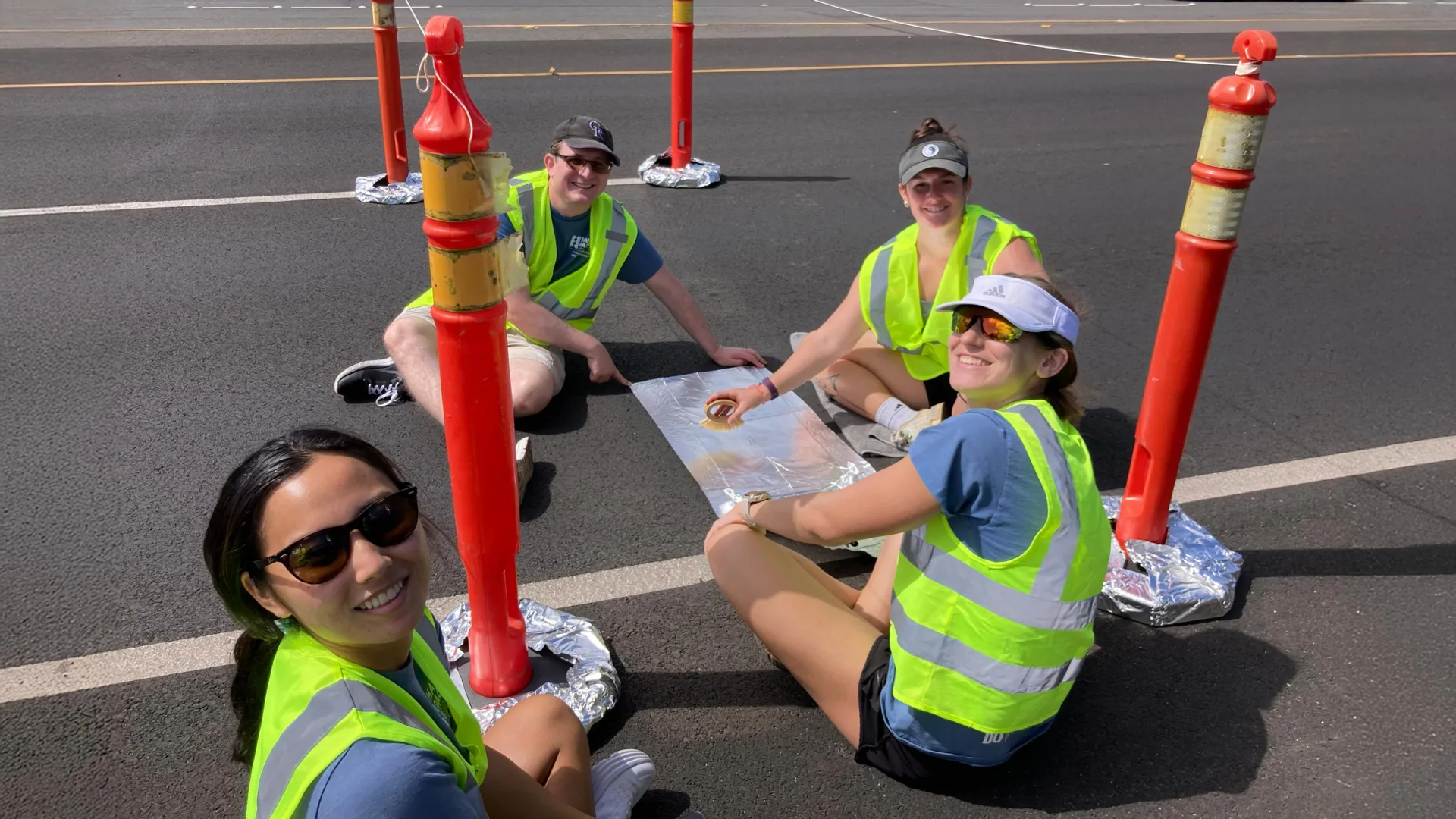
Hawaii researchers have launched a pilot program to incorporate recycled ocean plastic and discarded fishing nets into asphalt pavement, tackling two environmental problems simultaneously. The team mixed plastic waste into road surfaces and tested whether the material degraded faster or released harmful particles compared to conventional asphalt.
Initial findings show promise. The recycled roads released no detectable increase in plastic particles into the environment. Tire wear from vehicles generated far more particulate matter than the plastic components embedded in the pavement, effectively masking any plastic signal from the recycled materials themselves.
The approach addresses urgent environmental concerns in Hawaii and beyond. Ocean plastic and abandoned fishing gear accumulate in marine ecosystems, harming wildlife and persisting for decades. Simultaneously, landfills across the state overflow with plastic waste that cannot be easily recycled through conventional channels. Converting this material into roads redirects waste from disposal sites while potentially extending into useful infrastructure.
The researchers emphasize that durability remains the critical unknown. Current tests measured particle release over a limited timeframe. Long-term studies must confirm that roads containing recycled plastic maintain structural integrity under Hawaii's tropical climate, with its intense sun, heavy rainfall, and salt spray near coastal areas. Temperature cycling and UV exposure could degrade the plastic components over years, compromising road safety or releasing particles later.
If the technology proves durable, the applications extend well beyond Hawaii. Coastal regions worldwide struggle with marine plastic accumulation and landfill capacity. Roads built from ocean waste could provide a scalable solution for both problems, though scaling production to meaningful volumes would require developing supply chains for collecting and processing plastic nets and ocean debris.
The research represents a practical application of circular economy principles, where waste materials gain new function rather than accumulating in environments or disposal sites. However, the team's own data underscores that particle release monitoring remains essential. Future studies should track road performance across multiple seasons and measure whether plastic components remain