Researchers analyzing ancient DNA from Scythian burial mounds across the Eurasian steppe have found evidence that nomadic societies 2,500 years ago operated under rule by hereditary elite families. The study reveals these ruling classes included both men and women, challenging earlier assumptions about power structures in these ancient pastoral societies.
Scientists examined genetic material from hundreds of individuals buried in kurgans, the distinctive mound tombs scattered across Central Asia and Eastern Europe. The genetic patterns showed that certain family lineages dominated burial sites across generations and vast geographic distances, suggesting centralized political authority among otherwise decentralized nomadic groups.
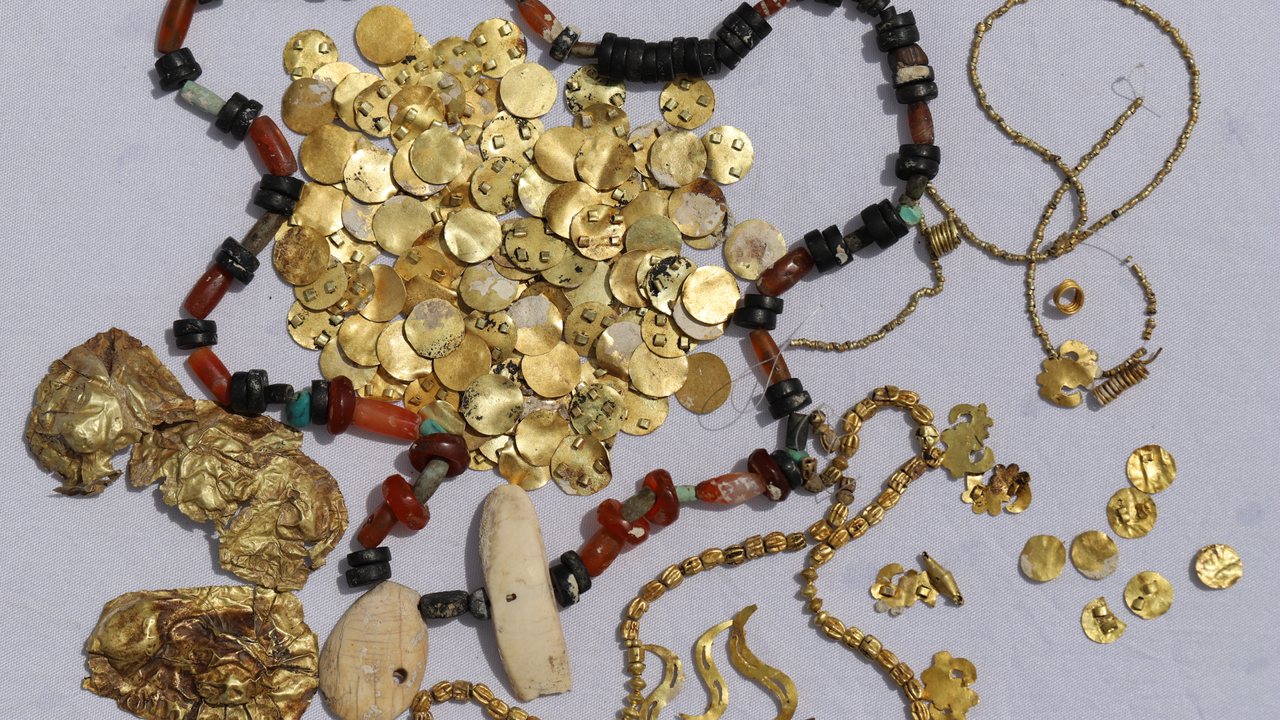
The inclusion of women in elite ranks distinguishes Scythian leadership from many contemporary Old World societies. Female burials with status markers like weapons and horses indicate these women held genuine power rather than serving merely ceremonial roles. Some female individuals appeared to establish enduring dynastic lines across multiple generations and regions.
The research demonstrates that nomadic pastoralists developed sophisticated governance systems far more complex than previously documented. Earlier scholarly work often portrayed steppe societies as loosely organized warrior bands without formal hierarchies. The genetic evidence shows instead that established families maintained control over trade routes, military resources, and territorial claims across the steppes for centuries.
The analysis required collaboration among multiple institutions to sequence and compare DNA from archaeological sites spanning thousands of kilometers. Researchers cross-referenced genetic data with burial goods, skeletal morphology, and archaeological context to distinguish elite from non-elite populations.
Limitations include incomplete sampling across the vast Scythian geographic range and challenges distinguishing between biological kinship and cultural adoption in some cases. Additionally, DNA preservation varies significantly depending on environmental conditions at each burial site.
The findings reshape understanding of how complex societies organized themselves in environments traditionally assumed to favor egalitarian structures. They suggest that wealth accumulation and hereditary power emerged in nomadic contexts through control of valuable resources and strategic military advantages