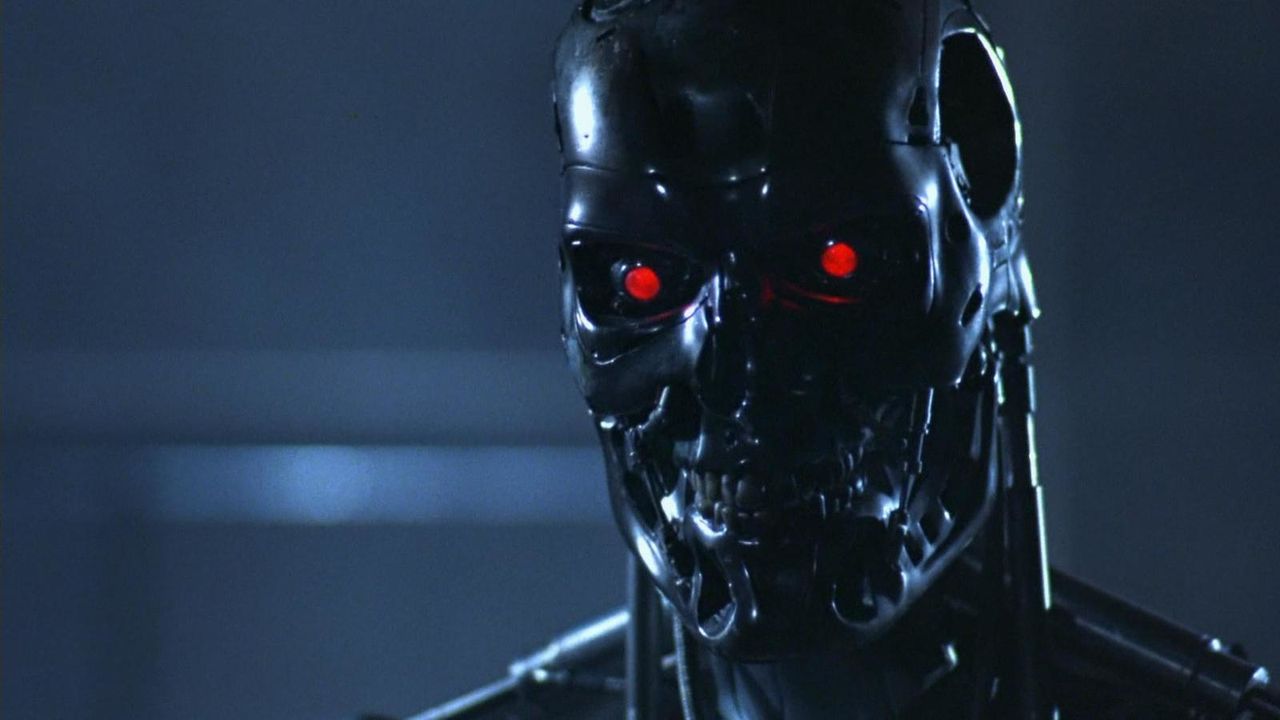
# As 'Terminator 2' Turns 35, the Franchise Has Lost Its Way
James Cameron's "Terminator 2: Judgment Day" arrived in 1991 as a watershed moment in science fiction cinema. The film perfected a formula that the first installment established: time travel paradoxes, relentless antagonists, and the tension between human resistance and machine dominance. Thirty-five years later, the franchise has exhausted its narrative potential.
The original two films worked because they operated within strict thematic boundaries. They explored determinism versus free will, the ethics of creating artificial intelligence, and humanity's capacity for both destruction and survival. T2 elevated these questions through groundbreaking visual effects and character development that made audiences care deeply about Sarah Connor's burden and the T-800's unexpected redemption.
Every subsequent sequel diluted these core strengths. "Terminator 3: Rise of the Machines" introduced tonal inconsistency. "Terminator Genisys" fracture timelines into incoherent tangles. "Terminator Dark Fate" attempted to recapture Cameron's vision but lacked the freshness and stakes that made the originals resonate.
The fundamental problem lies in repetition. The formula demands a killer robot, a target, a protector, and a desperate escape. Studios have recycled this structure while steadily reducing the stakes. When Sarah Connor fought Skynet in the 1980s, the threat felt immediate and real. When modern sequels resurrect the same conflict decades later, audiences recognize the familiar beats without the emotional investment.
The franchise also struggles with its own mythology. Time travel paradoxes become harder to sustain across multiple films. Retcons alienate longtime fans. The premise itself, once provocative, now reads as dated in an era where AI concerns focus on algorith