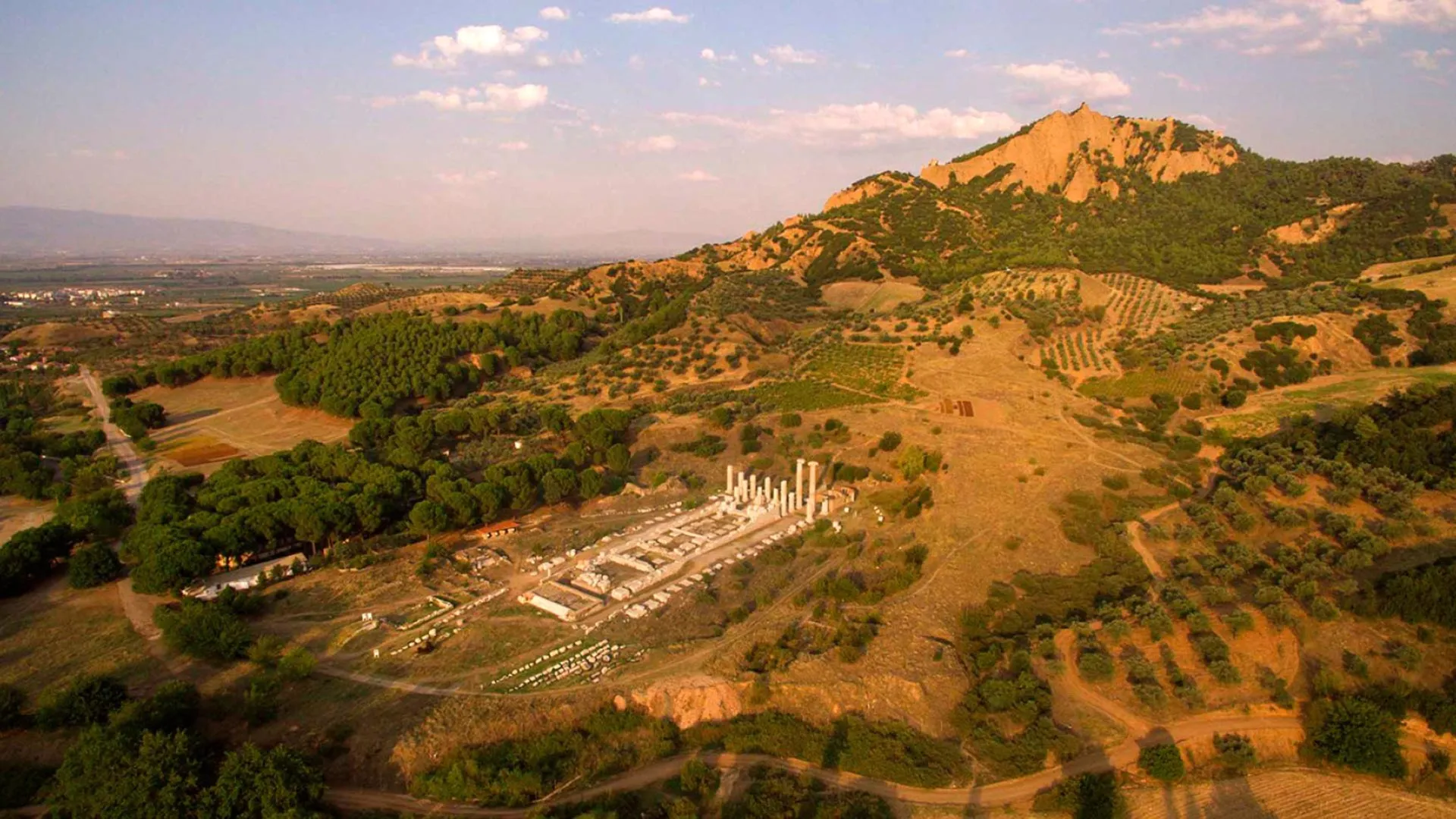
The ancient city of Sardis has earned UNESCO World Heritage Site designation after 70 years of continuous excavation, recognizing one of archaeology's longest-running investigations into a legendary Bronze Age metropolis located in present-day Turkey.
The site's elevation reflects a methodical approach to understanding Sardis, which served as the capital of the Lydian Kingdom and later became a major city under Persian and Roman rule. Archaeologists working at Sardis emphasize that transformative discoveries rarely emerge from isolated seasons of digging. Instead, breakthroughs accumulate gradually as researchers piece together evidence across decades, building comprehensive narratives about the city's development, trade networks, religious practices, and urban organization.
Sardis' strategic location in western Anatolia made it a crossroads of ancient civilizations. The city controlled crucial trade routes connecting the Mediterranean to Central Asia and served as a hub for cultural exchange between Greek, Persian, and Near Eastern societies. Archaeological work there has uncovered temples, residential quarters, administrative buildings, and artifacts that document shifting power structures and daily life across multiple historical periods.
The extended excavation timeline demonstrates how comprehensive archaeological understanding requires patience and sustained funding. Single-season digs often yield isolated finds, but longitudinal studies reveal patterns in settlement patterns, construction techniques, and material culture. At Sardis, researchers have systematically exposed archaeological layers, allowing them to track how the city's character changed through different eras.
UNESCO World Heritage designation validates both the site's intrinsic historical value and the rigorous scientific methodology applied over generations. It provides formal recognition for the international teams coordinating this research and typically enhances funding and protective measures for future work.
The continued excavations at Sardis remain active, suggesting that decades more investigation likely await. Each season adds details that reshape understanding of how ancient cities functioned, how societies adapted to changing political circumstances, and how trade and cultural interaction shaped the ancient