# Independence Day at 30: Emmerich and Devlin Reflect on Alien Invasion Cinema
Roland Emmerich and Dean Devlin created one of cinema's most enduring science fiction spectacles with "Independence Day," which celebrates its 30th anniversary. The director and producer crafted a film that transformed blockbuster filmmaking through its audacious set pieces and global scope.
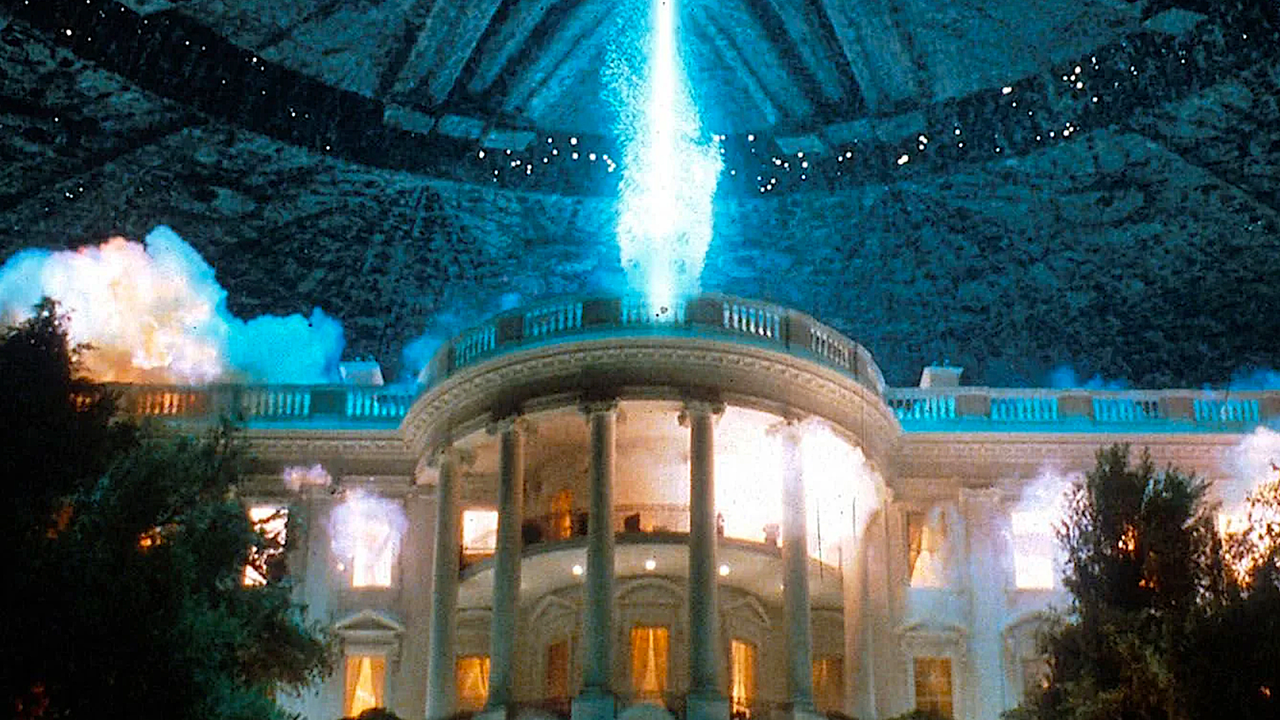
The 1996 film's central act of destruction remains legendary. Emmerich and Devlin pioneered visual effects techniques that allowed them to depict the obliteration of iconic landmarks, including the White House. The sequence required cutting-edge computer graphics that pushed the boundaries of what audiences had seen before. Their approach combined practical effects with emerging digital technology, setting a template for disaster cinema that studios continue to follow.
The filmmakers built their narrative around a straightforward premise: an alien armada arrives above Earth's major cities with devastating intent. Rather than focusing on scientific plausibility, they centered the story on human resilience and international cooperation. The script featured diverse characters across military, political, and civilian spheres working toward collective survival. Will Smith's fighter pilot character delivered the film's most quotable moment: "Welcome to Earth. Now that's what I call a close encounter."
Devlin and Emmerich understood that scale alone couldn't carry the film. They grounded the alien invasion in character arcs and ensemble dynamics. Jeff Goldblum's scientist, Bill Pullman's president, and Judd Hirsch's working-class father provided emotional anchors amid the spectacle. This balance between intimate human drama and panoramic destruction distinguished "Independence Day" from competitors.
The film's $75 million budget yielded a $817 million global box office return, making it a commercial phenomenon. Its influence extended beyond box office returns. The movie established the summer blockbuster