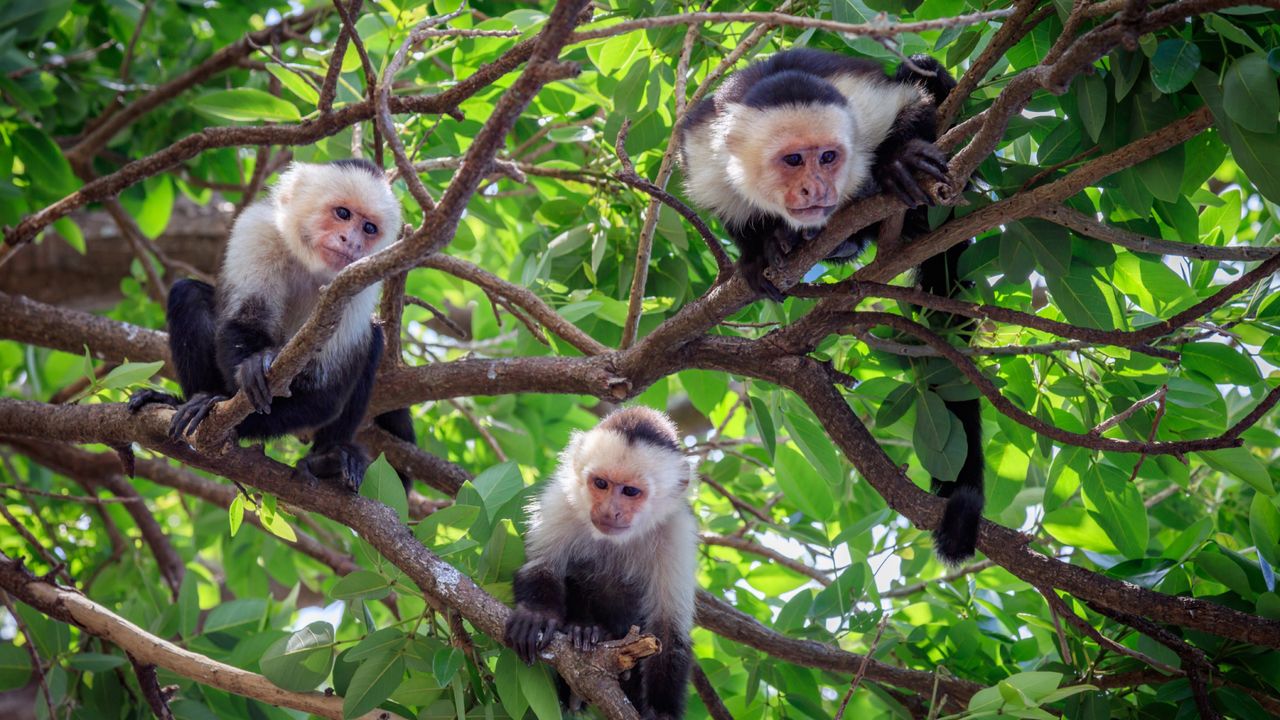
Climate change is forcing capuchin monkey mothers in some populations to abandon their dependent infants, according to research examining how environmental stress reshapes primate social behavior.
The study tracked capuchin groups in shifting climates and found that mothers increasingly leave nursing offspring behind as resources become scarcer and temperatures fluctuate. This behavior represents a dramatic shift from typical capuchin maternal investment patterns.
Capuchins normally live in stable social groups where mothers invest heavily in offspring care. Extended family members typically help provision young monkeys through their vulnerable early years. But when environmental conditions deteriorate, mothers face a harsh trade-off. Abandoning an infant allows them to conserve energy, reduce feeding demands on the group, and improve their own survival odds—critical when food scarcity threatens the entire population.
Researchers documented this pattern by comparing capuchin groups across different climate zones and monitoring behavioral changes over years of environmental variation. Groups experiencing greater temperature swings and reduced fruit availability showed higher rates of infant abandonment. Mothers that kept dependent young struggled to maintain adequate nutrition for themselves while nursing.
The findings reveal how climate change operates at the level of individual behavior, not just ecosystem disruption. Primates with flexible social structures can adjust parenting strategies in response to resource stress. Yet these adaptive responses come at substantial cost to population reproduction and long-term survival.
Capuchins represent a broader pattern emerging in primate research. Similar maternal trade-offs appear in other species facing rapid environmental change, from lemurs to chimpanzees. What distinguishes capuchins is the visibility of the behavior shift in relatively short timeframes, making them valuable subjects for understanding climate impacts on animal societies.
The research underscores how climate change operates through multiple pathways. Direct temperature and precipitation changes cascade into altered food availability, which then ripples through social structures and parenting decisions. For capuchins, the consequence is measurable: