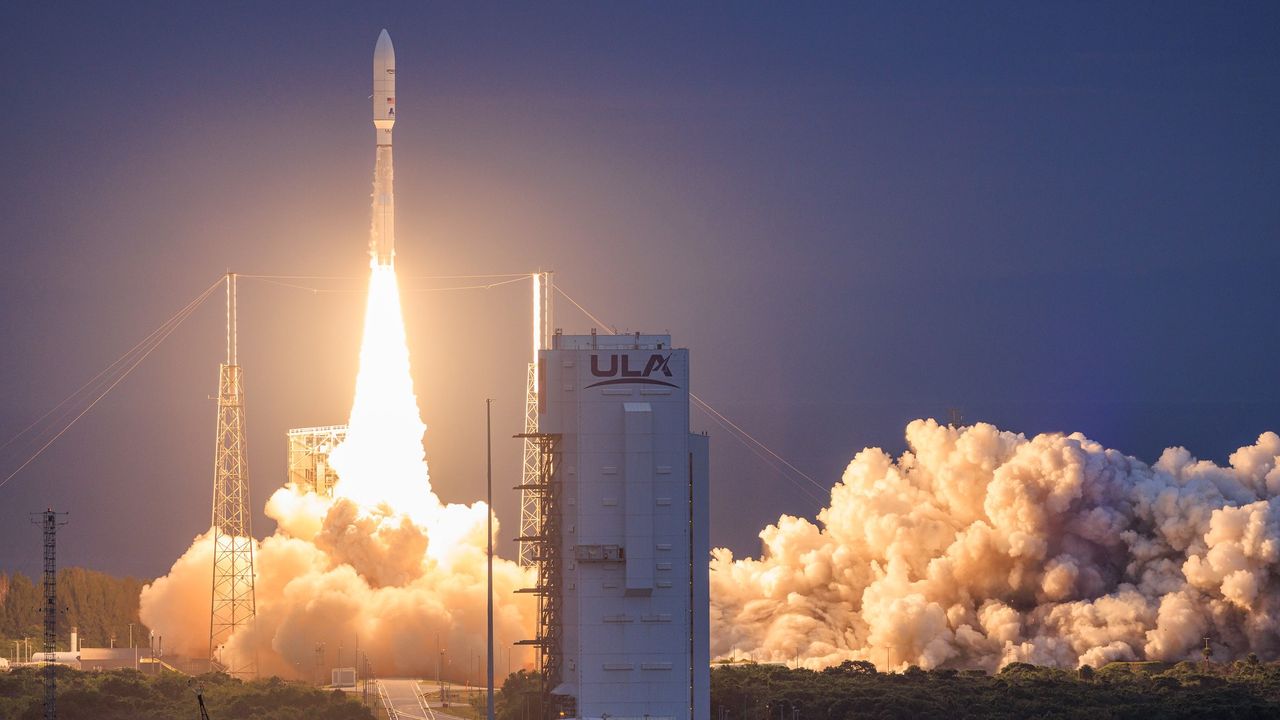
A United Launch Alliance Atlas V rocket will launch 29 Amazon Leo broadband satellites to orbit from Florida on Thursday morning, July 2, with live coverage available for viewers.
Amazon's Project Kuiper initiative continues expanding its constellation of low-Earth orbit satellites designed to deliver high-speed internet to underserved regions globally. The Leo satellites represent part of the company's broader strategy to compete with other megaconstellations, particularly SpaceX's Starlink network.
The Atlas V, manufactured by United Launch Alliance, a joint venture between Boeing and Lockheed Martin, provides a reliable launch platform for deploying multiple satellites simultaneously. This mission adds to the growing number of broadband satellite constellations entering operational service.
Launch windows for such missions typically open early in the morning to optimize orbital insertion and satellite deployment sequences. The specific launch time on July 2 allows ground control teams to position satellites in their designated orbital planes while managing atmospheric conditions and other variables affecting trajectory accuracy.
Amazon has accelerated its satellite deployment schedule in recent years as competition intensifies in the global internet connectivity market. Each launch adds incremental capacity to the Leo constellation, bringing the service closer to widespread commercial availability.
The public can watch the launch through official ULA channels and Space.com's live stream, allowing space enthusiasts and industry observers to track the mission's progress in real time. Successful satellite deployment remains critical for Amazon's timeline to offer broadband service across rural and remote areas where terrestrial infrastructure remains limited or unavailable.
This mission continues the trend of commercial companies leveraging space-based infrastructure for global connectivity solutions. As multiple operators deploy satellites simultaneously, the orbital environment becomes increasingly crowded, raising questions about space traffic management and debris mitigation strategies.