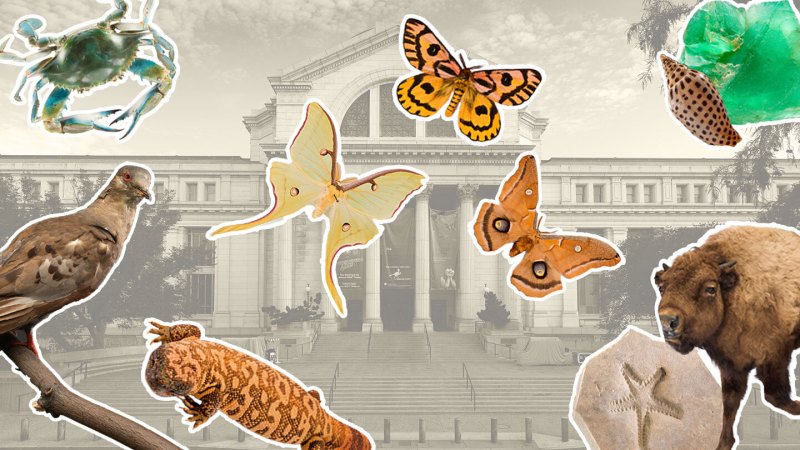
The Smithsonian Institution's National Museum of Natural History has opened "From These Lands," an exhibition that showcases the natural heritage of all 50 U.S. states and territories. The exhibit draws from the museum's vast collections to present specimens, artifacts, and ecological stories spanning North America's diverse ecosystems.
The display features minerals, fossils, plants, and animals representative of each state's unique natural character. Visitors encounter everything from California's gold deposits to Florida's marine ecosystems, from Alaska's ice age megafauna to Hawaii's endemic species. The curators organized the collection geographically and thematically, allowing guests to trace connections between geography, geology, and biodiversity across the continent.
The Smithsonian's Natural History Museum, located on the National Mall in Washington, D.C., houses over 145 million specimens. "From These Lands" leverages this enormous collection to create a comprehensive portrait of American natural diversity. The exhibition emphasizes how each state's geology, climate, and evolutionary history shaped the organisms found there today.
The exhibit serves both educational and curatorial purposes. It introduces the public to lesser-known aspects of their home states' natural systems while demonstrating the depth and breadth of the Smithsonian's research and conservation work. Interactive elements help visitors understand ecological relationships and geological processes that continue shaping American landscapes.
The timing reflects growing public interest in local natural history and environmental conservation. As climate change threatens ecosystems nationwide, exhibitions like this one document baseline conditions and species distributions while highlighting the biological wealth embedded in America's terrain. The display invites reflection on how human activity intersects with these natural systems.
"From These Lands" remains on view at the Smithsonian National Museum of Natural History, offering an accessible entry point into North American natural science for residents and tourists alike.