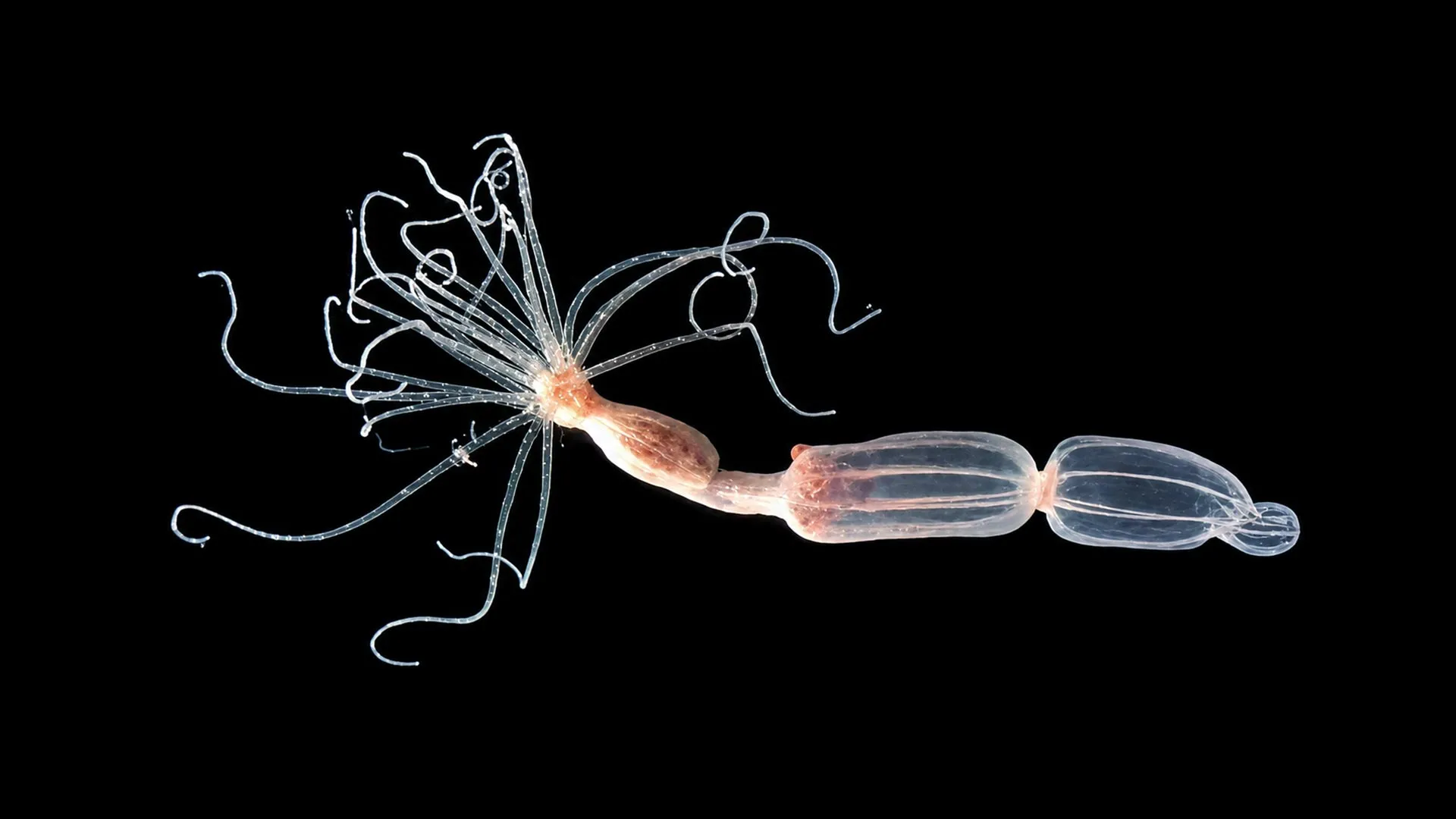
Researchers studying sea anemones have identified a novel antiviral defense mechanism that operates through fundamentally different principles than human immunity. The findings overturn assumptions about how viral protection evolved across animal species.
The research reveals that sea anemones deploy an immune strategy distinct from the interferon-based system humans rely on to fight infections. Rather than the cytokine signaling pathways central to mammalian antiviral defense, these organisms use alternative molecular mechanisms to neutralize viral threats.
This discovery demonstrates that evolution produced multiple independent solutions to the same biological problem. The existence of divergent antiviral systems suggests that vertebrate immune strategies were not the inevitable endpoint of evolutionary development, but rather one of several viable approaches to pathogen management.
The implications extend beyond basic biology. Understanding how different organisms evolved separate antiviral defenses could inform development of novel therapeutic strategies. If sea anemones successfully control viruses through mechanisms absent in humans, researchers might leverage those pathways to create new classes of antiviral drugs less vulnerable to resistance.
The research also reshapes current thinking about immune system evolution. Scientists have long assumed that early animals developed primitive versions of modern human defenses, which then refined over time. This work indicates that evolutionary history was more complex, with distinct lineages adopting fundamentally different defensive architectures.
Sea anemones occupy a crucial evolutionary position. As cnidarians, they diverged from the vertebrate lineage hundreds of millions of years ago. Their immune systems represent solutions shaped by different selective pressures and genetic constraints than those affecting human ancestors. Examining these alternative strategies provides a natural experiment in immune system design.
The research team's analysis of sea anemone genetics and molecular mechanisms appears in the scientific literature through ScienceDaily reporting, though the specific journal publication and researcher names require independent verification. The work invites follow-up investigations into whether other marine organisms use similar antiviral approaches and whether any