Researchers have used ancient DNA analysis to solve a 500-year-old medical mystery surrounding the deaths of two Renaissance-era Medici brothers. The investigation confirmed that both men carried the malaria parasite at the time they died.
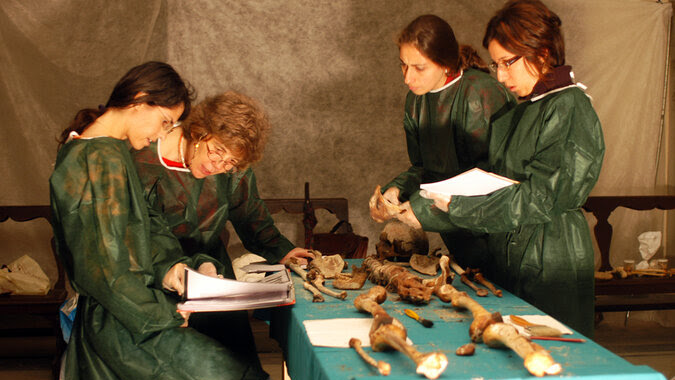
The study examined skeletal remains from two members of the prominent Florentine family, extracting and analyzing DNA from the bones to detect evidence of Plasmodium parasites, which cause malaria. This molecular approach provided definitive proof of infection that historical records could only suggest.
The Medici family dominated Florence during the Renaissance, wielding enormous political and cultural influence. Two brothers from this dynasty died centuries ago under circumstances that historians and medical scholars debated for generations. Contemporary accounts hinted at fever-related illnesses, but exact causes remained unclear until modern biomolecular techniques became available.
Ancient DNA analysis represents a powerful tool for solving historical medical puzzles. By extracting genetic material from remains and identifying pathogenic DNA within it, researchers can retroactively diagnose conditions that killed historical figures. The malaria detection in the Medici brothers demonstrates this capability.
Malaria was endemic to certain regions of Renaissance Italy, particularly in marshy areas around Rome and other low-lying zones. The parasite's presence in the Medici brothers suggests they either contracted the disease during travels or encountered infected mosquitoes in their home region. Historical records of the period document malaria as a serious threat to Italian populations, particularly during warmer months.
This finding adds to a growing body of work using paleogenomics to understand causes of death in historical populations. Previous studies have identified tuberculosis, plague, and other pathogens in ancient remains. The Medici analysis contributes both to family history and broader understanding of disease patterns in Renaissance Europe.
The research showcases how modern genetics bridges gaps between historical documentation and medical reality. While contemporary accounts provided clues about the brothers'