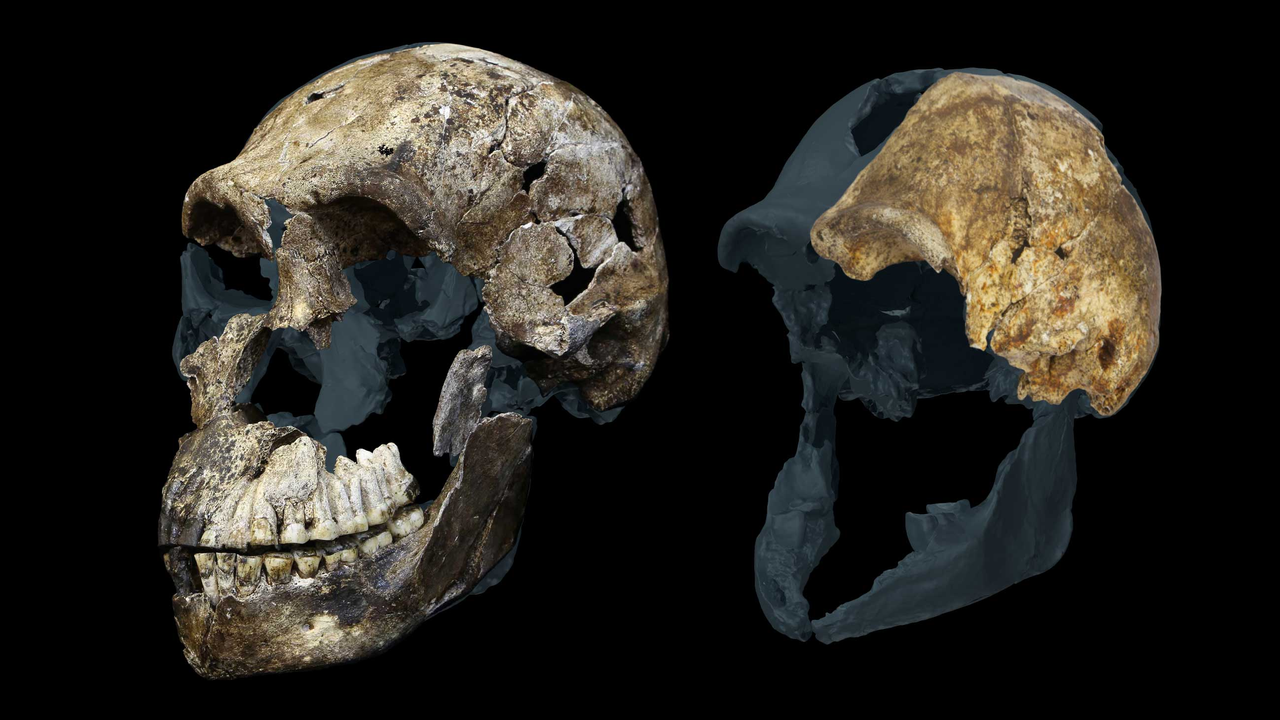
Researchers analyzing teeth from Homo naledi skeletons discovered in South Africa's Rising Star Cave system have found an unexpected pattern: all individuals in the group appear to be female. The discovery raises puzzles about this enigmatic hominin species and how it lived.
Homo naledi, a small-brained human relative that lived roughly 300,000 years ago, has mystified scientists since its discovery in 2015. The Rising Star Cave system in Johannesburg has yielded dozens of skeletal remains, making it the richest source of this species. A team of archaeologists conducted detailed dental analysis using cutting-edge techniques to determine the biological sex of the skeletons, finding no evidence of males in the assemblage.
The finding presents a genuine puzzle. Researchers cannot yet explain why only females appear in this collection. One possibility involves selective behavior—perhaps males and females occupied different parts of the cave or engaged in separate activities. Another explanation could involve sampling bias, where the particular chamber where researchers found the remains happened to contain only females. A third scenario suggests unusual mortality or burial patterns unique to this group.
Lee Berger, a leading researcher on Homo naledi at the University of the Witwatersrand, called the result "a weird finding from an already weird hominin." Homo naledi itself defies easy classification. It possessed a brain roughly one-third the size of modern humans yet displayed sophisticated behaviors like possible tool use and deliberate placement of bodies in cave chambers.
The tooth analysis employed advanced morphological techniques to identify sex-specific dental characteristics. Teeth remain among the best-preserved skeletal elements and retain clear markers of biological sex that persist across millions of years.
Experts emphasize that this finding requires further investigation. Additional skeletal material from Rising Star Cave and other sites may clarify whether this pattern reflects genuine behavioral or social organization differences or simply represents an unusual sample. The discovery under