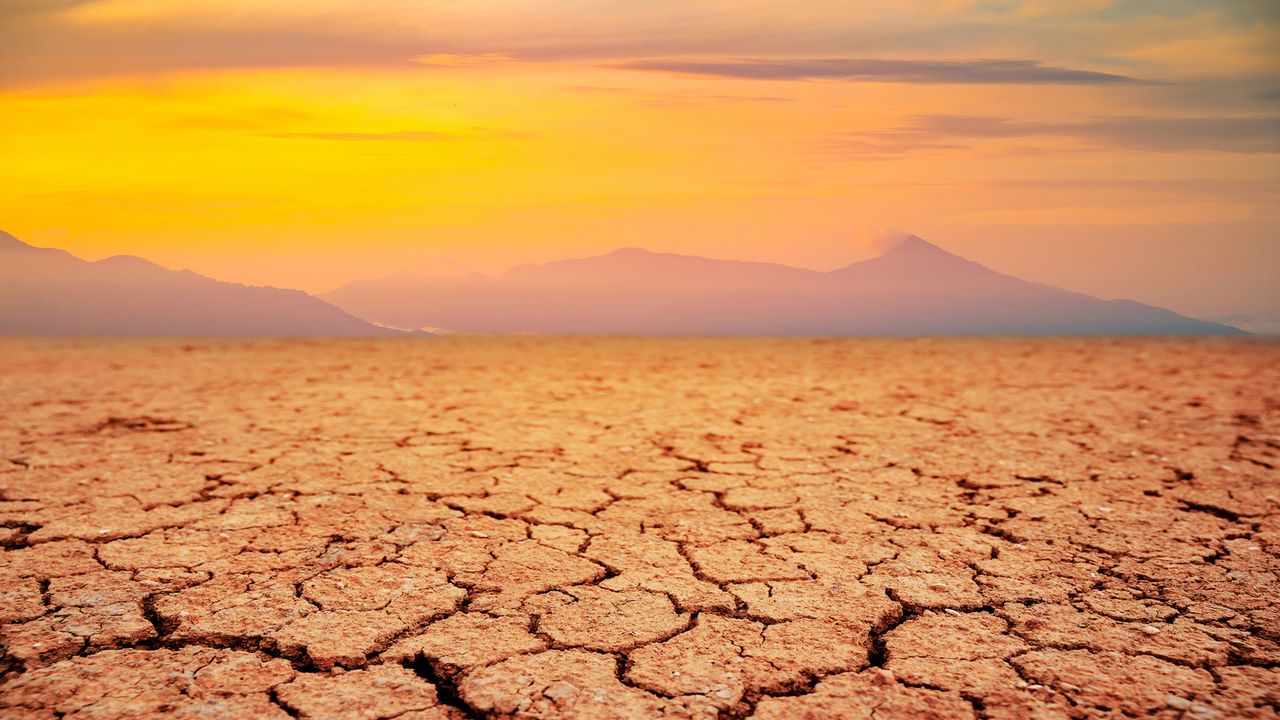
Researchers have calculated that Earth's biosphere has approximately 1.8 billion years remaining before conditions become uninhabitable for most life forms. The study employed sophisticated climate models to project when rising solar radiation will make the planet too hot to sustain biological processes.
The sun gradually increases in brightness as it ages, a process that intensifies heat reaching Earth's surface. Over geological time, this stellar evolution pushes atmospheric temperatures upward. The research team determined a critical threshold exists where photosynthesis, the foundation of nearly all food chains, becomes impossible due to extreme heat stress.
Current models suggest that as atmospheric carbon dioxide declines naturally over billions of years, plants will eventually struggle to fix carbon dioxide efficiently enough to support growth and reproduction. The combination of rising temperatures and falling CO2 levels creates a biological dead zone.
However, the findings contain a crucial caveat. While most current multicellular life faces extinction within this timeframe, the researchers note that biological evolution could theoretically enable surviving organisms to adapt to harsher conditions. Thermophilic microorganisms that thrive at extreme temperatures might persist longer than expected. Evolution has repeatedly pushed the boundaries of what conditions life can tolerate.
The study builds on decades of research into planetary habitability limits. Previous work established that Venus's extreme surface temperatures and atmospheric conditions resulted from runaway greenhouse effects that boiled away its oceans. Earth faces a different but equally inexorable process driven by the sun's natural aging cycle.
These calculations inform astrobiology research into habitable zone duration around other stars. The age constraints on Earth's biosphere provide parameters for understanding how long exoplanets might support life. Systems around older, dimmer stars may offer longer habitability windows, while young, massive stars could sterilize planets in shorter timescales.
Scientists emphasize that current human activities pose far more immediate threats to biodiversity than solar evolution. Extinction tim