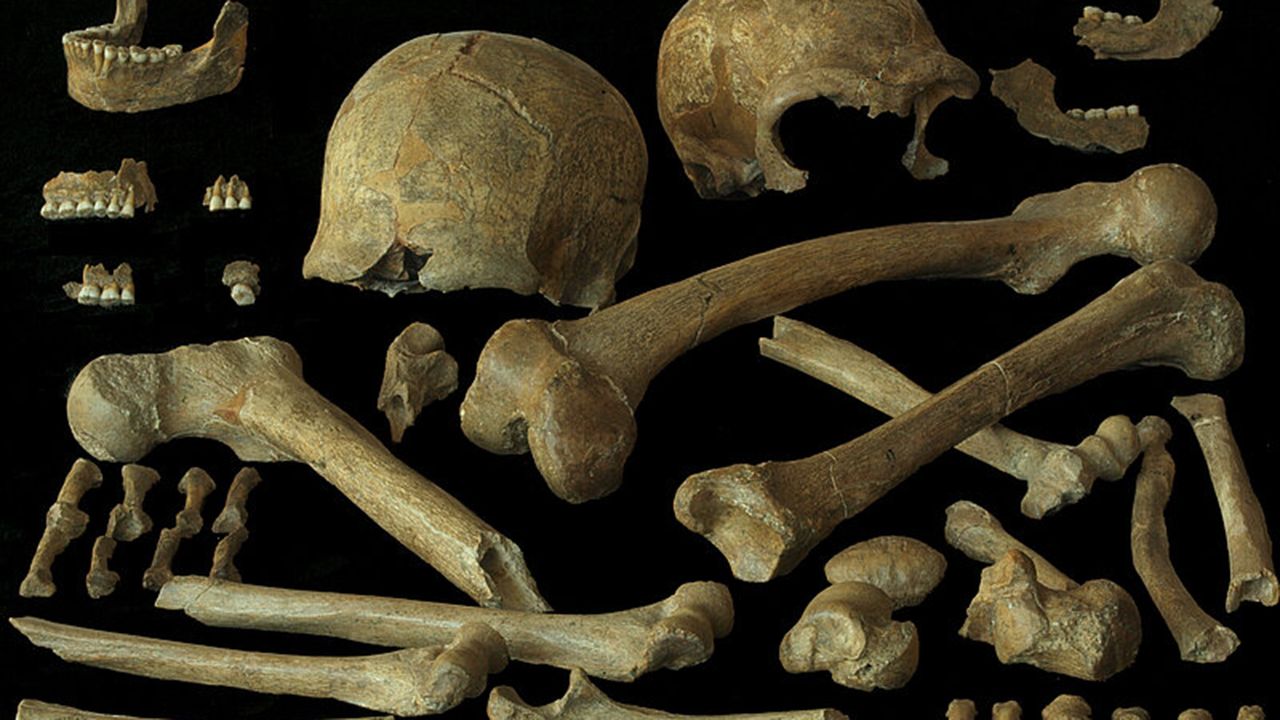
Researchers analyzing DNA from late-surviving Neanderthals in northwestern Europe have found unexpected genetic diversity among populations dating to after 52,500 years ago, challenging the long-held theory that inbreeding alone sealed the species' extinction.
The study examined genetic material from Neanderthal remains recovered across the region during this period. Rather than discovering the genetic uniformity expected from isolated, inbreeding populations, scientists identified significant variation between individuals and groups. This diversity indicates that Neanderthal communities maintained enough genetic exchange and population size to sustain heterogeneity even as their species faced decline.
The findings complicate the narrative of Neanderthal extinction. While previous research suggested that fragmented populations turned to inbreeding as numbers dwindled, leading to reduced fitness and eventual collapse, this work indicates the picture was more nuanced. Some Neanderthal groups retained reproductive flexibility and genetic health longer than extinction models predicted.
This doesn't mean inbreeding played no role. Rather, it suggests that genetic degradation alone cannot explain why Neanderthals vanished roughly 40,000 years ago while early modern humans expanded across Europe. Other factors likely contributed. Competition for resources with incoming human populations, climate fluctuations, disease, or cultural differences may have driven Neanderthal extinction despite their ability to maintain genetic diversity in certain regions.
The research underscores how late Neanderthal populations were not uniformly doomed but instead showed variable trajectories. Northwestern European groups demonstrated sufficient cohesion and genetic continuity to avoid the complete collapse inbreeding would have caused. Their extinction therefore resulted from a constellation of pressures rather than a single biological mechanism.
These insights come from increasingly sophisticated analysis of ancient DNA, allowing researchers to reconstruct population dynamics thousands of years after extinction. The work refines understanding of human evolutionary history and highlights how population genetics alone provides incomplete explan