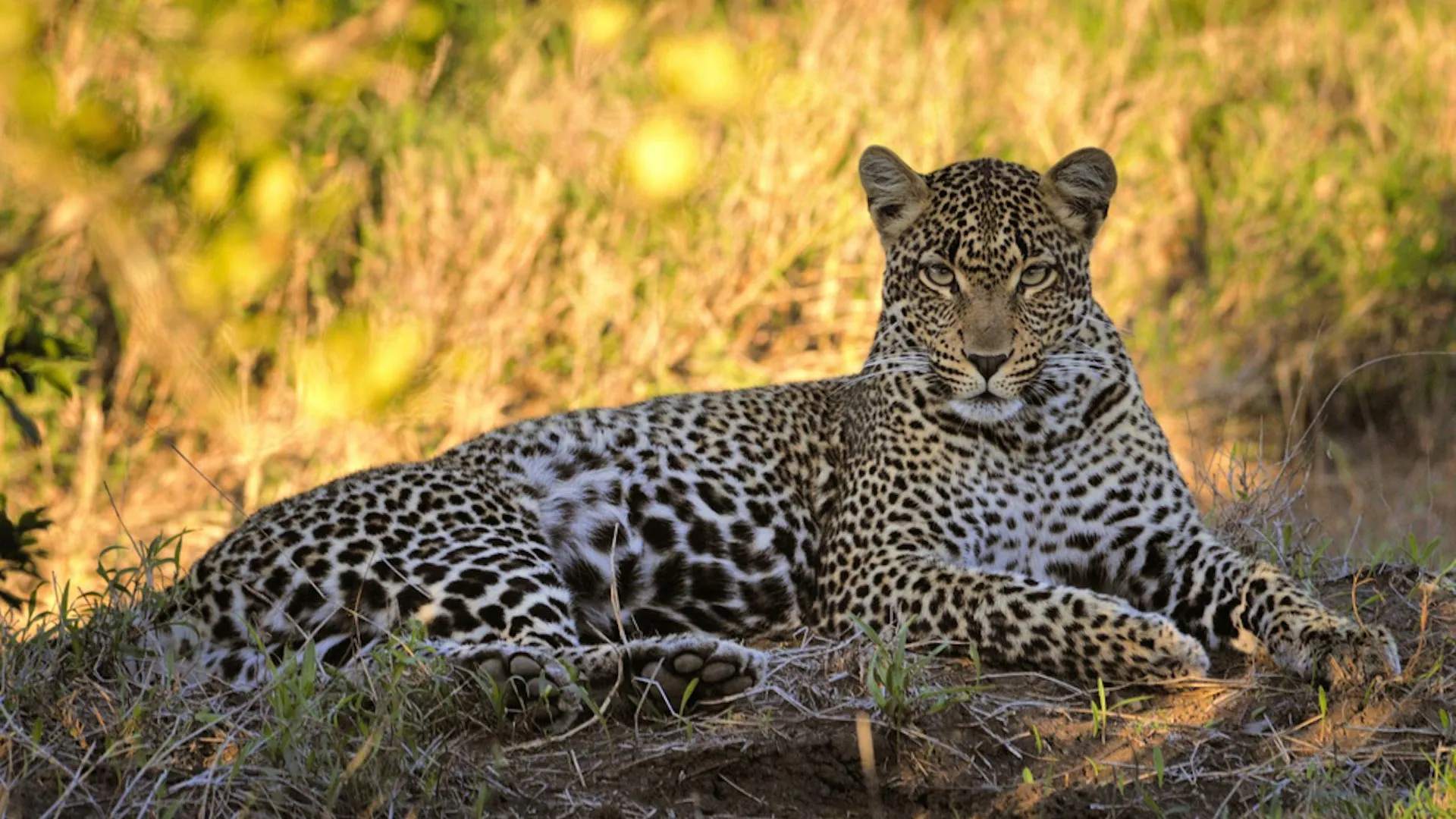
Researchers have discovered that leopards in South Africa's Cape Floristic Region have shrunk to roughly half the size of other African leopards through an unexpected evolutionary pathway. Scientists analyzing complete leopard genomes found these populations are genetically distinct from all other African leopards, a result of geographic isolation lasting approximately 20,000 years.
The team sequenced DNA from multiple individuals across different populations to map the genetic divergence. The Cape Floristic Region's leopards underwent dramatic size reduction, yet somehow maintained substantial genetic diversity despite their small numbers. This pattern defies typical expectations from population genetics, where isolated groups usually lose genetic variation over time due to inbreeding.
The researchers identified this population through genomic analysis rather than field observation, revealing a hidden branch of leopard evolution that remained undetected by traditional wildlife surveys. The size reduction likely resulted from selective pressures specific to the Cape Floristic Region's environment, though the exact mechanisms remain unclear. Smaller body size in isolated populations can reflect adaptation to limited prey availability or reduced competition, but the research team did not specify which factors drove this particular change.
This discovery carries conservation implications. The Cape Floristic Region's leopards represent a genetically distinct lineage with unique evolutionary history. Their retention of genetic diversity suggests the population possesses resilience against future environmental changes, though their small geographic range leaves them vulnerable to habitat loss or other disturbances.
The work demonstrates how genomic tools reveal evolutionary stories invisible to conventional field biology. Previous leopard surveys classified these individuals within broader regional populations, missing their distinctive genetic signature. Modern sequencing technology enabled researchers to detect cryptic population structure and trace isolation events spanning millennia.
The findings expand understanding of how African megafauna evolved in response to historical climate and environmental shifts. Similar analyses of other isolated populations could reveal additional undocumented evolutionary stories across the continent.