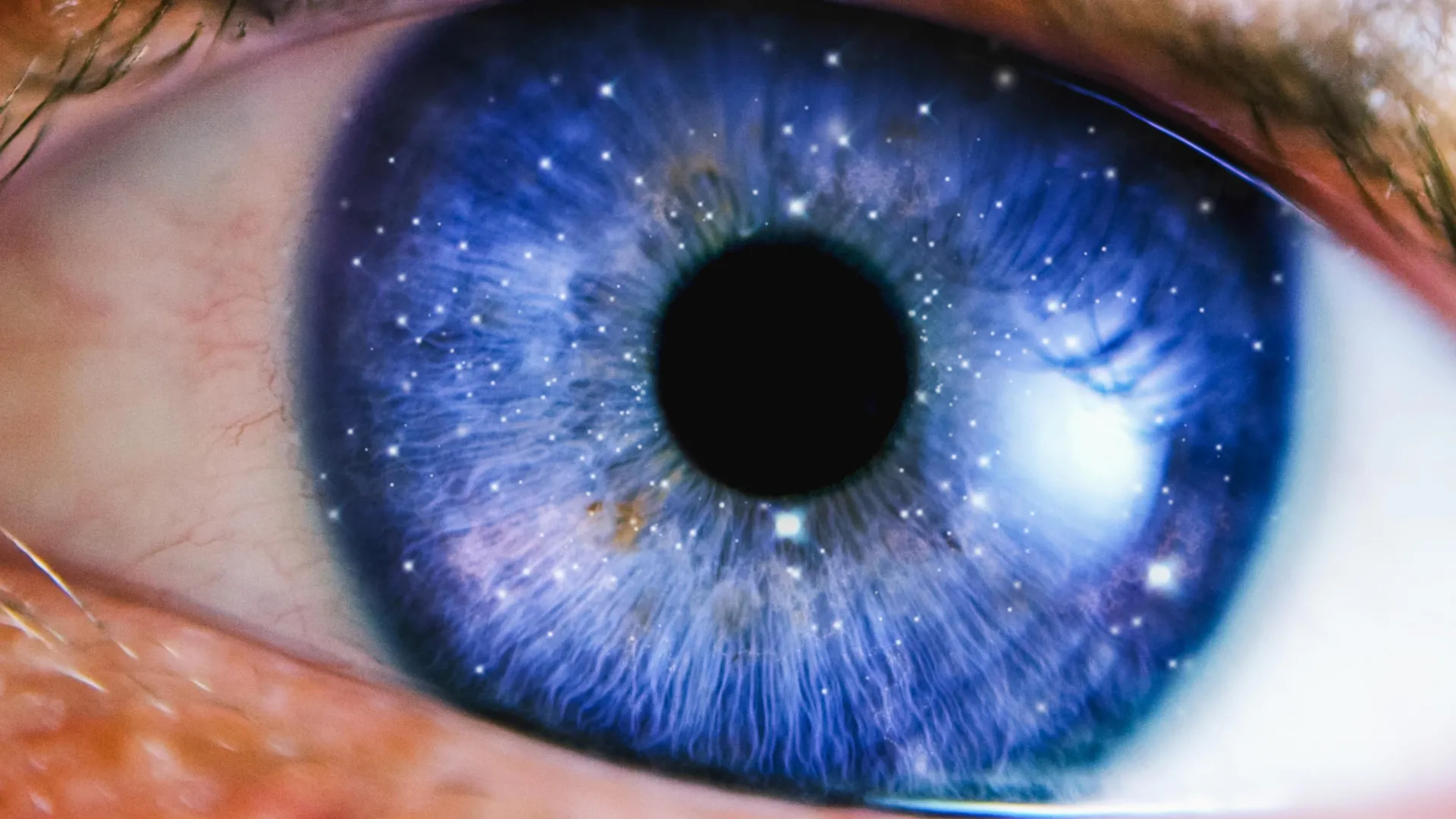
Philosophers Eric Schwitzgebel at the University of California, Riverside and Jeremy Pober challenge the assumption that consciousness requires brains resembling ours. Their argument rests on a straightforward observation: the universe contains billions of galaxies, each with billions of stars. The probability that Earth represents the only template for conscious life appears vanishingly small.
Schwitzgebel and Pober propose that consciousness could emerge from radically different substrates than biological neural networks. Silicon-based systems, exotic chemistry, or even physics-defying materials might generate subjective experience. They contend that confining consciousness to Earth-like biology reflects parochial thinking rather than rigorous reasoning.
The philosophers ground their position in panpsychist and functionalist frameworks. If consciousness depends on information processing patterns rather than specific carbon molecules, then any system meeting those functional requirements could experience the world. A sufficiently complex computer, a crystalline structure, or an alien organism built from arsenic compounds could theoretically possess inner mental lives.
This argument carries real implications for astrobiology and artificial intelligence research. Scientists searching for extraterrestrial intelligence typically scan for radio signals or biosignatures matching Earth's chemistry. But Schwitzgebel and Pober suggest we may overlook minds operating through unrecognizable mechanisms. A conscious entity might exist nearby without producing any signals we recognize as intentional.
The work also complicates ethics in space exploration. If consciousness extends far beyond recognizable biology, harming what appears to be inert matter could have moral consequences we cannot currently evaluate.
Limitations persist. The philosophers provide thought experiments and logical consistency checks but cannot empirically demonstrate that non-biological consciousness exists. Their framework depends partly on unsettled questions in philosophy of mind: whether consciousness requires specific physical properties or emerges from abstract organizational patterns. Scientists cannot test these claims directly without encountering actual alien minds.
Despite these