# Vintage Sci-Fi Poster Design Deserves a Revival, Critics Say
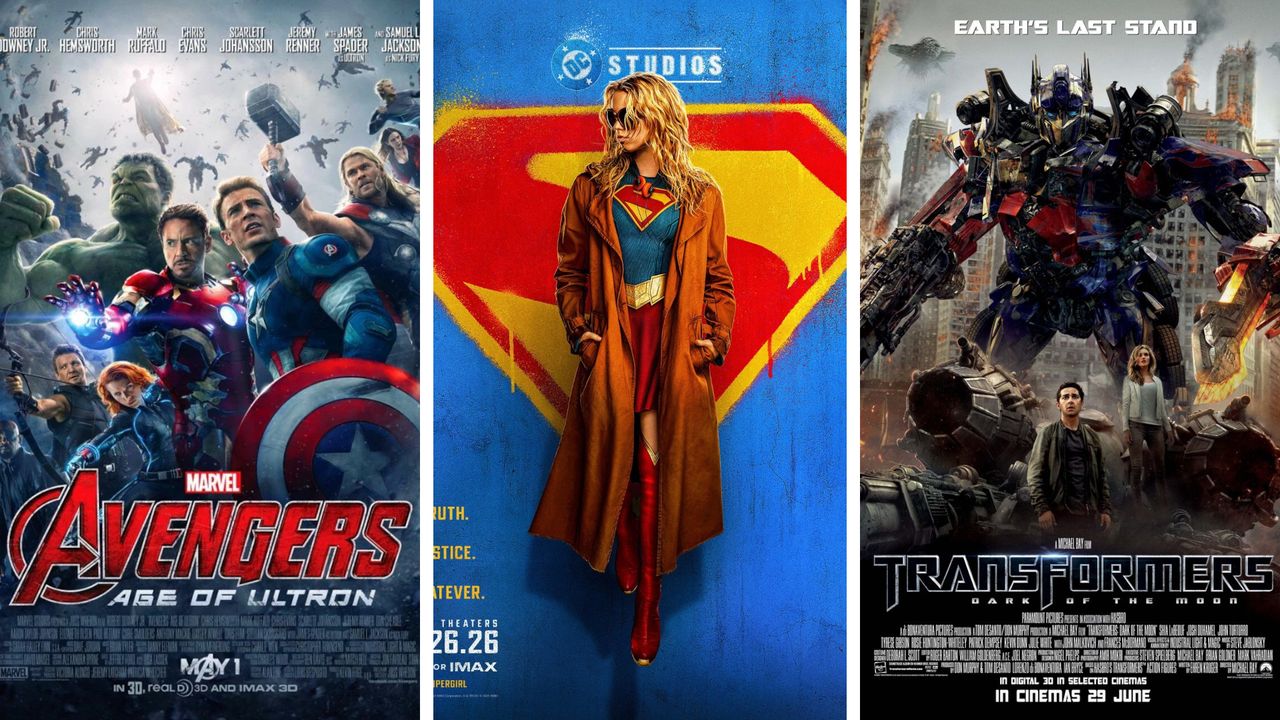
Modern movie marketing has abandoned the bold, illustrative aesthetic that once defined science fiction promotional art. The Supergirl poster, a standout example of retro design sensibilities, highlights how contemporary superhero and science fiction films rely heavily on crowded character montages and generic floating-head compositions rather than imaginative, hand-painted artwork.
The shift reflects broader changes in how studios market blockbusters. Today's posters prioritize recognizable actor faces and ensemble casts, cramming multiple characters into cluttered layouts that prioritize casting information over visual storytelling. This approach dominates campaigns for Star Wars projects, Marvel films, and DC properties alike.
The classic sci-fi poster era, spanning roughly the 1970s through early 1990s, featured commissioned illustrators creating dynamic, surreal compositions that captured the spirit of adventure and wonder. Artists like Drew Struzan and John Alvin painted sweeping landscapes, dramatic character poses, and imaginative alien environments. These posters functioned as standalone artworks, not just character advertisements.
Supergirl's recent promotional materials return to that tradition, employing vibrant colors, dynamic composition, and artistic illustration techniques that evoke nostalgia for a lost era of movie poster design. The work demonstrates that thoughtful illustration still resonates with audiences and creates memorable marketing materials.
Several factors explain the decline. Digital production tools accelerated faster, cheaper design processes. Marketing departments prioritized A-list actor visibility over artistic vision. Focus groups and data analytics shifted emphasis toward photorealistic celebrity images. Studios also discovered that character-heavy posters work across international markets without requiring translation.
The economics of modern filmmaking leave little room for experimental poster design. Studios treating visual marketing as a commodity rather than art form missed an opportunity to create genuinely memorable materials. A return to illustrative