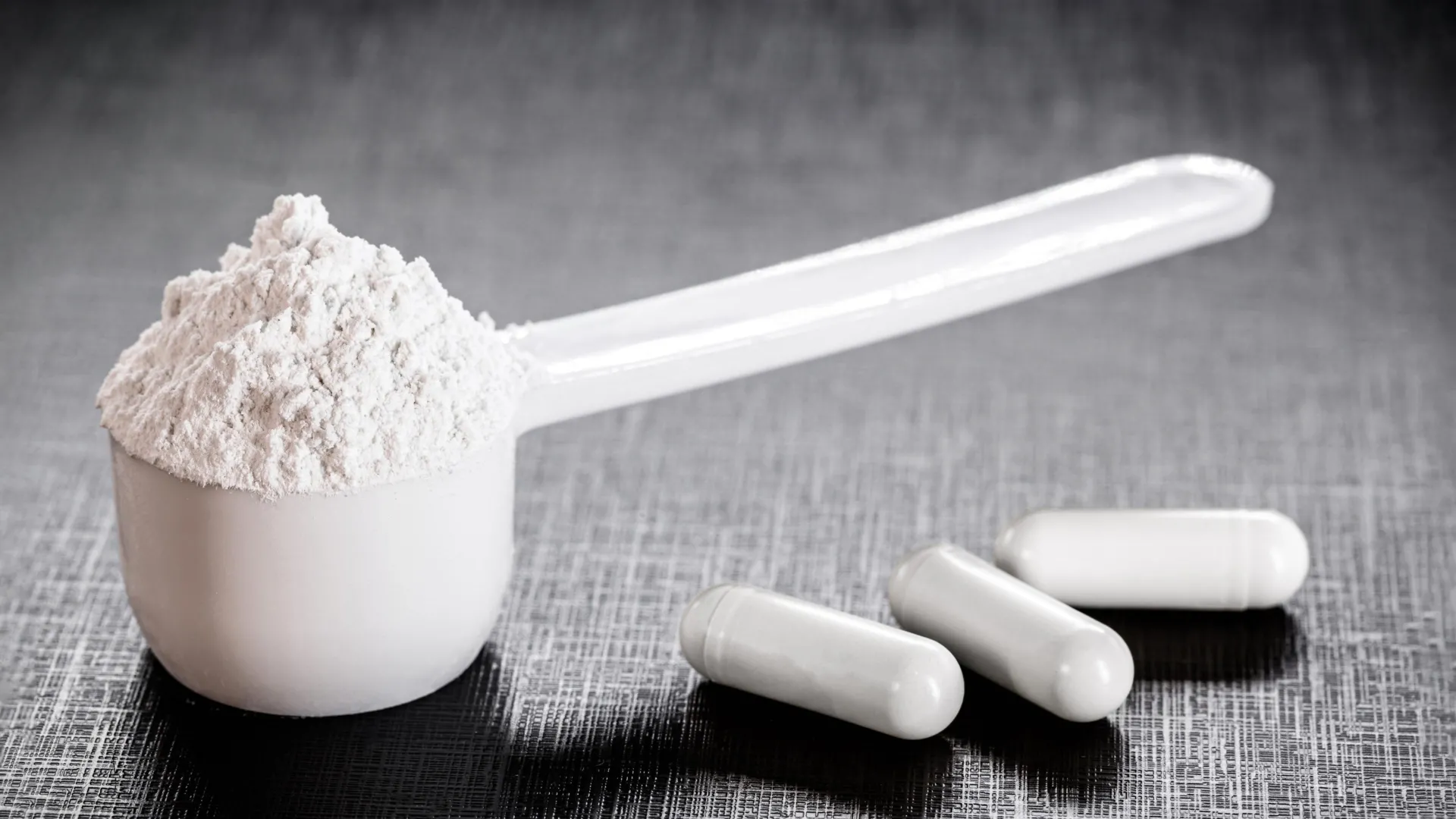
Researchers are investigating creatine as a potential depression treatment by examining whether the supplement can boost brain energy production, according to a new clinical review.
The analysis, which synthesized five randomized controlled trials involving 238 total participants, found inconsistent results. Two studies focusing specifically on women diagnosed with major depressive disorder reported that creatine supplementation combined with standard antidepressant treatment reduced symptoms. However, three additional trials detected no meaningful clinical benefit from the intervention.
Creatine, widely used as a performance supplement in fitness and sports, works by replenishing adenosine triphosphate (ATP), the molecule cells use for energy. The brain consumes roughly 20 percent of the body's energy supply despite comprising only 2 percent of body weight. The hypothesis driving this research suggests that depression may involve impaired energy metabolism in brain cells, and boosting ATP availability could restore normal neural function.
The mixed findings reflect a pattern common in early-stage psychiatric research. Sample sizes remain small, participant demographics vary across studies, dosing protocols differ, and treatment duration spans different timeframes. The gender-specific results hint at potential biological differences in how men and women metabolize creatine or respond neurologically to supplementation.
Researchers caution against drawing firm conclusions. The positive findings in women warrant larger, more rigorous trials to determine whether the effect is genuine or stems from placebo response. Study quality varies considerably across the five trials reviewed, and publication bias may inflate apparent benefits.
Depression involves dysregulation across multiple brain systems, including neurotransmitter imbalances, inflammation, and neuroplasticity deficits. A single metabolic intervention targeting ATP availability addresses only one potential mechanism. Even if creatine proves effective for a subset of patients, it would likely serve as an adjunct therapy rather than a standalone treatment.
The scientific community remains cautious about supplement-based psychiatric