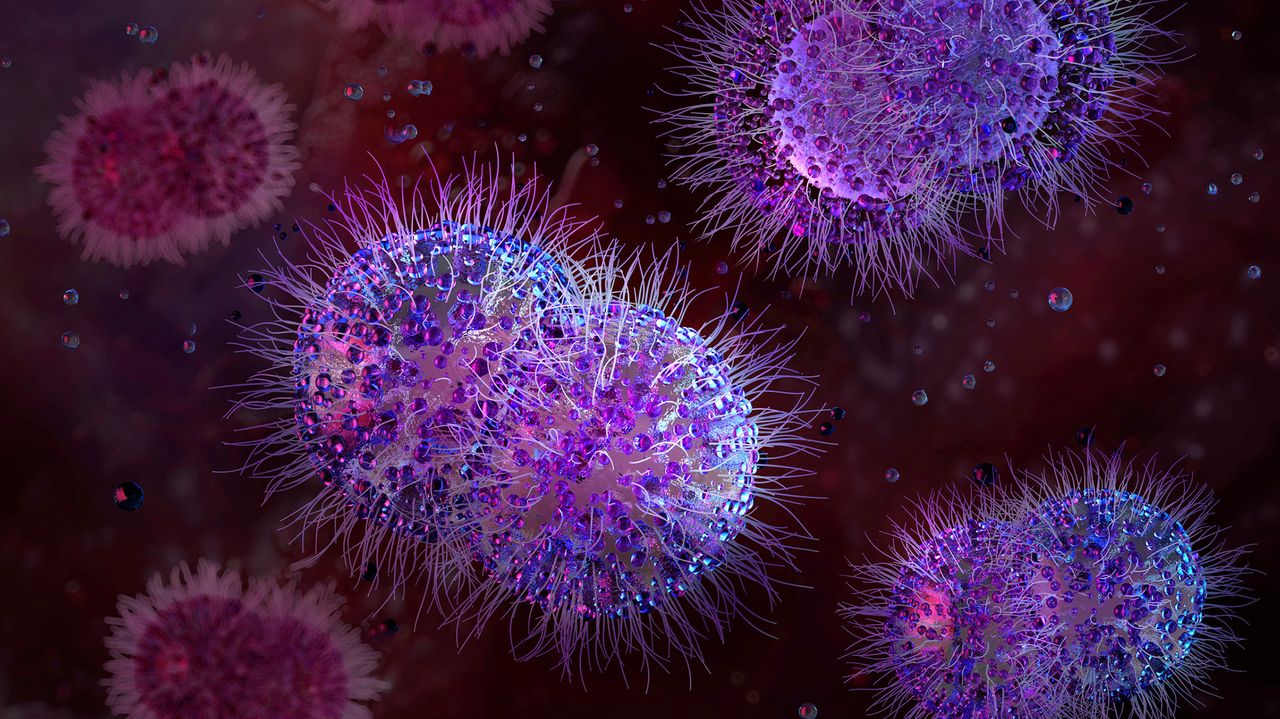
Researchers have successfully treated a simulated vaginal infection with a novel antibiotic discovered using artificial intelligence. The work combined machine learning drug discovery with organ-on-chip technology to identify and validate a new gonorrhea treatment.
Scientists trained an AI algorithm to screen 6 million molecular compounds and identify the most promising candidates as potential antibiotics against Neisseria gonorrhoeae. The AI narrowed this vast chemical space to a single lead compound for testing.
Rather than moving directly to animal or human trials, the team used a "vagina on a chip"—a microfluidic device that recreates key features of human vaginal tissue in miniature. These organ-on-chip systems replicate tissue architecture, cell types, and biological functions in controlled laboratory conditions. Researchers infected the cultured tissue with gonorrhea bacteria, then exposed it to the AI-discovered antibiotic.
The treatment successfully eliminated the infection in the tissue model.
This work addresses an urgent public health problem. Gonorrhea has developed resistance to most frontline antibiotics over recent decades. The World Health Organization lists drug-resistant gonorrhea as a priority pathogen requiring new treatment options. Traditional antibiotic discovery moves slowly, and the field has seen few novel classes of anti-gonorrhea drugs in decades.
AI-accelerated drug screening compresses timelines dramatically. Rather than chemists manually synthesizing and testing compounds one by one—a process taking years—machine learning algorithms evaluate millions of candidates simultaneously, identifying patterns that human researchers might miss.
The organ-on-chip validation adds critical credibility before clinical testing begins. These tissue models better predict human drug response than petri dish cultures alone, yet avoid the ethical and practical barriers of immediate animal testing.
The researchers have not yet disclosed the specific antibiotic structure or published detailed findings, so independent verification remains pending. The pathway from chip validation to human clinical trials