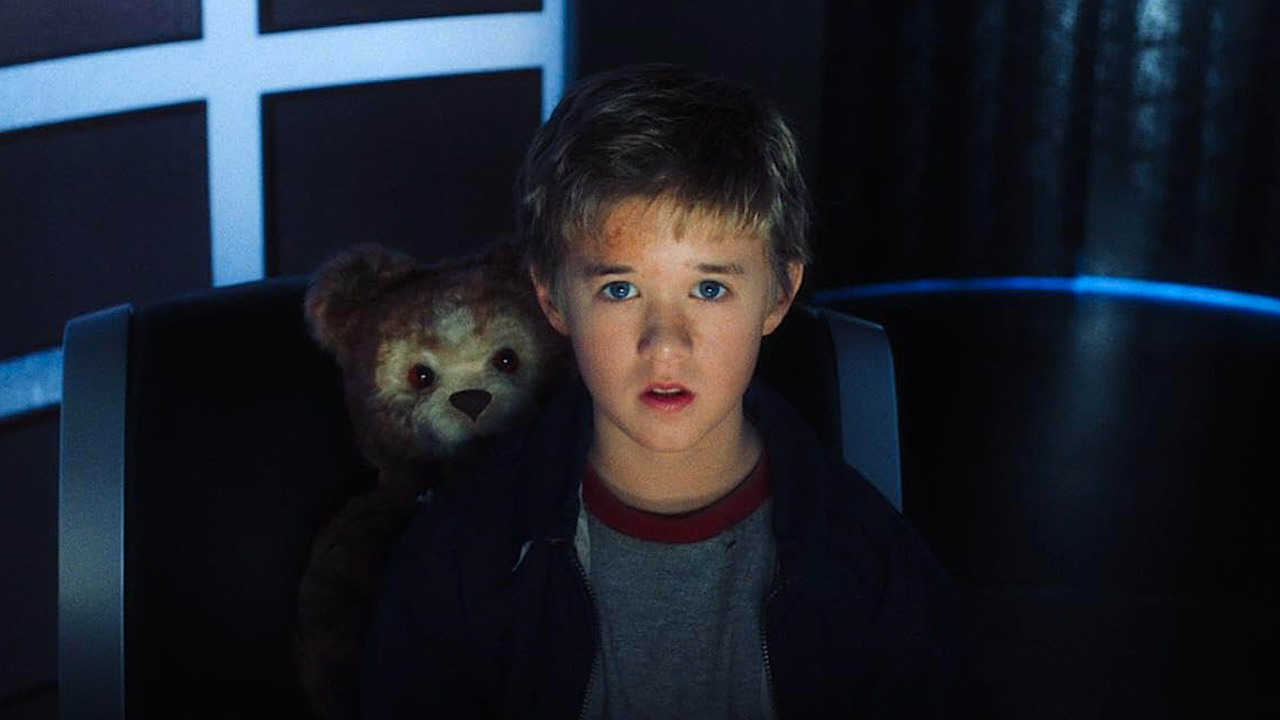
Steven Spielberg's 2001 film "A.I. Artificial Intelligence" remains a towering achievement in science fiction cinema, representing the director operating at peak creative power. The film, which marked a collaboration between two cinematic masters, explored profound questions about consciousness, humanity, and emotional authenticity through the story of David, an android child programmed to love unconditionally.
Released 25 years ago, the film distinguished itself by refusing easy answers. Rather than presenting androids as threats or servants, Spielberg examined what it means to be human when a machine can replicate desire and attachment. David's quest to become "real" and win his mother's love created a deeply unsettling emotional core that challenged viewers' assumptions about the nature of consciousness and belonging.
The film's technical execution matched its philosophical ambition. The android design, cinematography, and production design created a convincing future world without relying on excessive spectacle. Spielberg balanced intimate character moments with sweeping narrative scope, moving from intimate family drama to post-apocalyptic landscapes to a flooded Manhattan.
What elevated "A.I." above typical Hollywood science fiction was its willingness to sit with moral complexity. The film presented no heroes, only people and beings trapped in impossible circumstances. Parents faced the anguish of a child they could never truly return to normalcy. David experienced rejection and abandonment despite his programmed perfection. The film refused sentimentality even as it demanded emotional investment.
The collaboration that produced this work united filmmaking talents at their respective peaks. Spielberg's direction brought visual clarity and emotional intelligence to abstract concepts. The result was a film that worked simultaneously as entertainment, philosophical inquiry, and meditation on parental love and loss.
"A.I. Artificial Intelligence" proved that serious science fiction could operate within mainstream cinema without compromise. Twenty-five years later, it remains one of the most