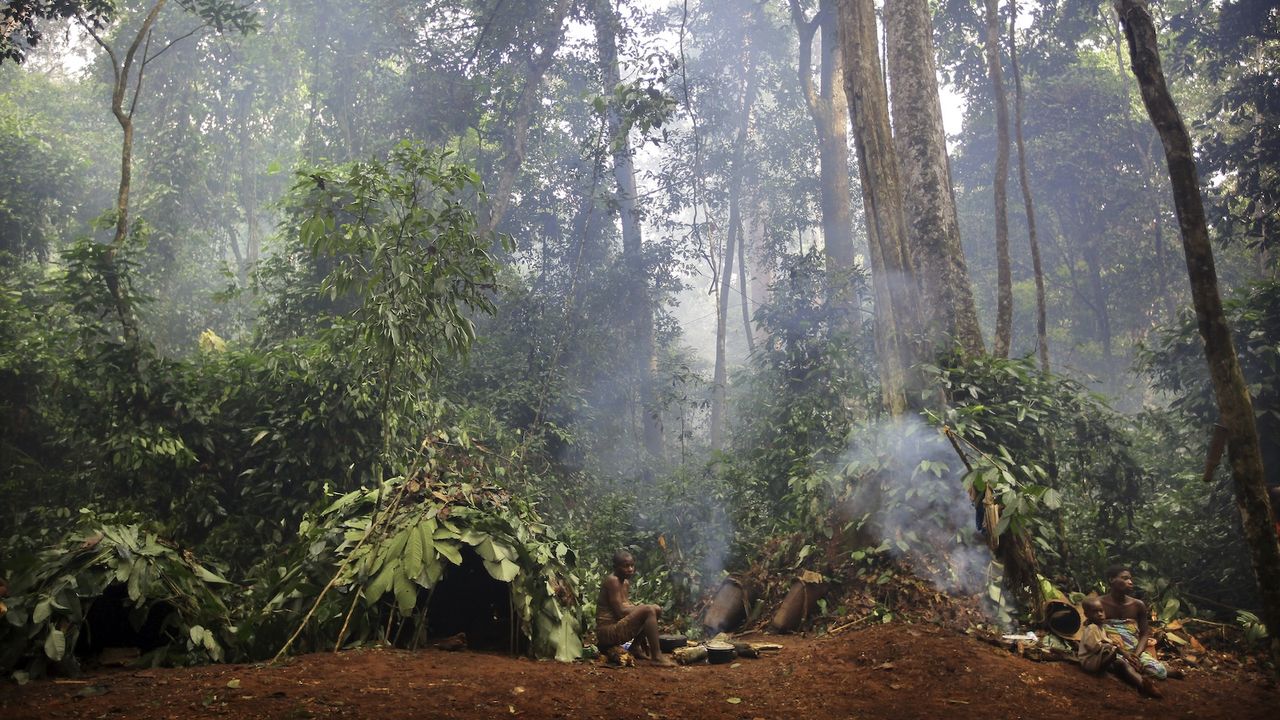
A growing body of evidence challenges the conventional narrative that rainforests played only a peripheral role in human evolution. New research suggests early Homo sapiens adapted to and thrived in tropical forest environments far more than previously believed, potentially reshaping our understanding of how our species developed its defining traits.
Anthropologists have traditionally focused on open savanna and grassland environments as the primary crucible for human evolution, emphasizing how open spaces drove bipedalism and tool use. However, recent archaeological and ecological studies reveal that early human populations successfully inhabited and exploited rainforest resources across Africa, Southeast Asia, and other tropical regions. Evidence includes stone tools, settlement patterns, and dietary markers indicating sustained rainforest occupation dating back tens of thousands of years.
This revised understanding matters because rainforest adaptation required distinct cognitive and behavioral innovations. Navigating dense, multilayered ecosystems demanded sophisticated knowledge of plant identification, seasonal availability, and spatial memory. Dense forests posed visibility challenges that differed fundamentally from savanna hunting. These pressures may have driven specific neural developments and social structures that became hallmarks of modern human cognition.
The research underscores that human adaptability was not a single environmental solution but rather a flexibility allowing our ancestors to colonize diverse habitats. This neuroplasticity and behavioral flexibility characterize what makes Homo sapiens unique among species. Rather than evolution in one geographic setting, the picture emerges of a species refined through encounters with radically different ecological zones.
The significance extends beyond academic anthropology. Understanding how early humans managed rainforest sustainability offers lessons for modern conservation and resource management in tropical regions today. Additionally, recognizing rainforest adaptations corrects a geographic bias in human origins research, which historically centered on East African sites.
However, limitations remain. Dating precision for early rainforest sites often falls short of open-air archaeological contexts. Tropical environments degrade organic materials rapidly, limiting evidence preservation