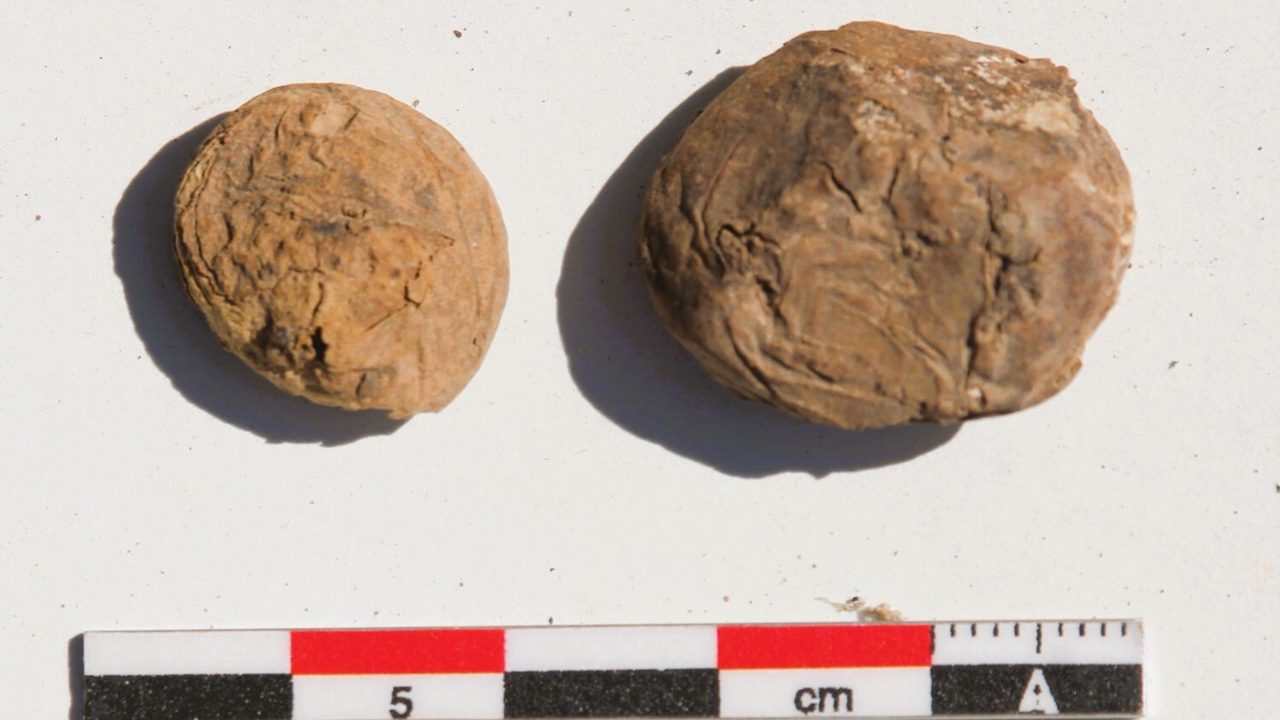
Archaeologists working in Peru have uncovered freeze-dried potatoes dating back approximately 500 years, offering direct evidence of Inca food preservation strategies. The potatoes were discovered in a storage room and represent specimens that the Inca transported across hundreds of miles from Andean highlands to supply distant populations.
The discovery provides tangible proof of sophisticated food security practices among Inca civilization. By freeze-drying potatoes, the Inca created a lightweight, shelf-stable food source that could sustain communities across their vast empire without spoilage. This preservation technique exploited the natural conditions of high-altitude environments, where temperature fluctuations between day and night combined with low humidity to naturally desiccate the potatoes over time.
The find documents a critical aspect of Inca logistics and administration. The empire's ability to move preserved foods across considerable distances enabled population support in regions where fresh crops could not be reliably grown. Potatoes served as a dietary staple throughout Inca territories, and developing methods to preserve them long-term represented a key innovation in their agricultural system.
Historical records have long referenced Inca food storage practices, but archaeological recovery of actual preserved foodstuffs remains uncommon. These physical specimens allow researchers to directly examine preservation methods, nutritional content, and storage techniques in ways that written accounts cannot provide. Analysis of the potatoes could reveal details about variety selection, processing procedures, and storage conditions that complemented the Inca's documented administrative records.
The discovery underscores how pre-Columbian societies developed technologies to manage resources across diverse geography and climate zones. The Inca integrated vertical ecological zones across their territory, producing different crops at different elevations. Preserved potato caches facilitated this integrated system by allowing highland-produced food to reach lowland populations reliably.
Further study of these artifacts may illuminate details about Inca agricultural planning, trade