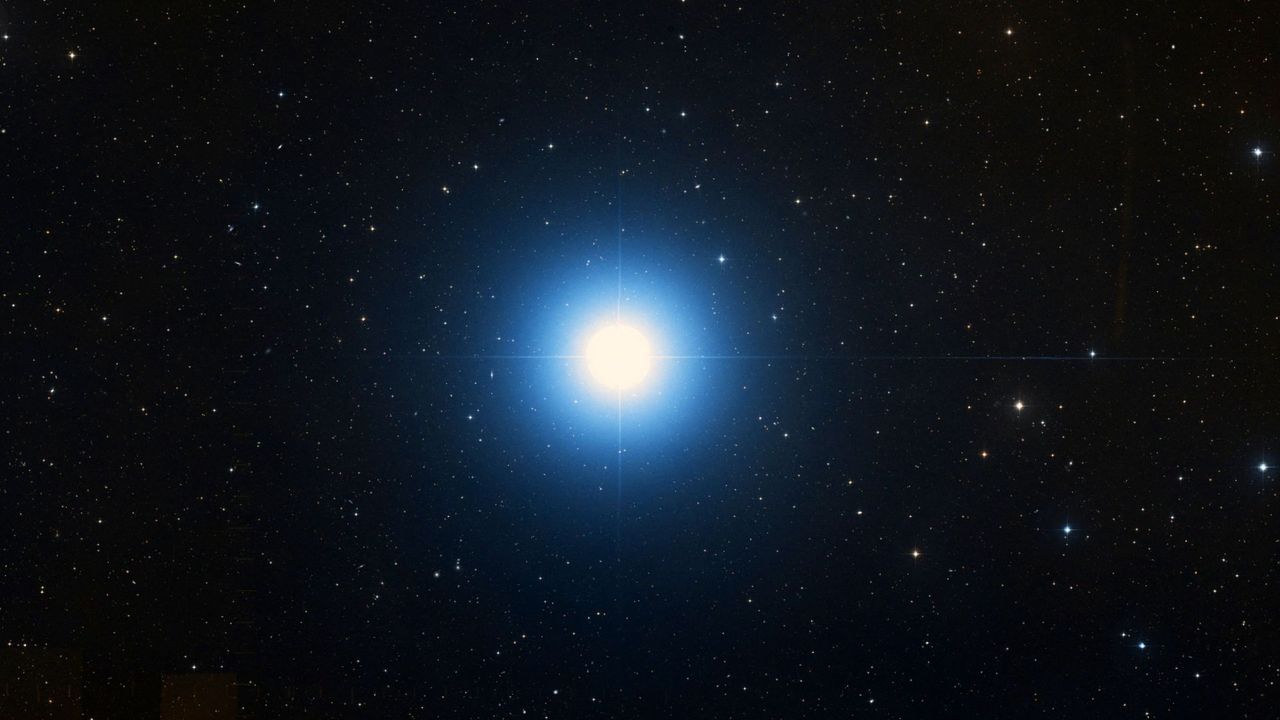
A star's light traveling through space for more than 250 years has finally reached Earth, allowing amateur astronomers to observe it with backyard telescopes. The photons departing this star's surface coincided with the American Revolution, around 1776, making this a rare opportunity to witness a celestial object from a specific moment in human history.
Space.com reports that locating this star requires modest equipment and patience. The star lies within observable range of standard amateur telescopes, typically those with apertures of 4 to 8 inches. Observers should consult detailed star charts or use planetarium software to pinpoint its exact location in the night sky during optimal viewing times.
The distance light travels over centuries—measured in light-years—demonstrates the vast scale of space. At roughly 250 light-years away, this star exists far enough that its ancient photons only now reach terrestrial eyes. Each observation connects viewers directly to an object's past, a phenomenon inherent to astronomy where distance and time intertwine.
Professional astronomers use such observations to study stellar properties including brightness, color, and composition. Amateur astronomers contribute meaningful data through citizen science projects that track variable stars and monitor changes over time. The historical coincidence of this light's journey makes it particularly engaging for public engagement with astronomy.
Clear skies and minimal light pollution significantly improve visibility. Rural locations far from cities offer advantages over urban areas drowning in artificial light. Binoculars may work for some observers, though telescopes provide superior detail and brightness concentration.
This observation reflects astronomy's democratic nature—both professionals and enthusiasts can examine the same objects using similar principles. The star's journey across space reminds us that we observe the universe's past every time we look at distant objects. The light reaching us tonight left when historical figures still lived, carrying information across centuries of void.