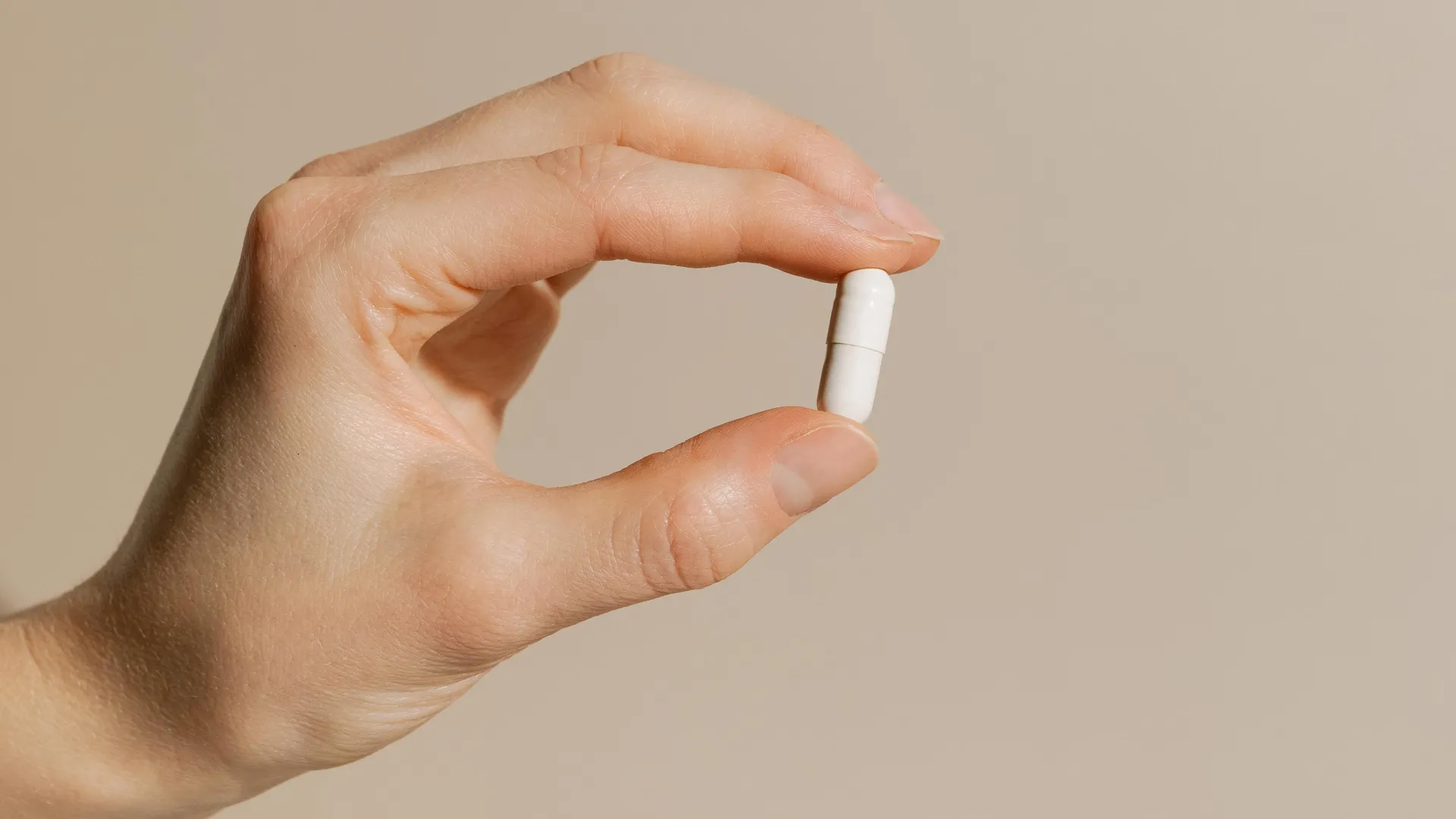
Researchers discovered that placebo effects persist even when people know they are receiving inert pills, according to a study with healthy older adults. Participants who took placebo pills for three weeks showed measurable improvements in memory, physical performance, and stress levels, regardless of whether they believed the pills were real.
The finding challenges conventional understanding of how placebos work. Traditional placebo research assumes the effect depends on deception. When patients believe they receive active treatment, their expectations trigger biochemical changes that produce real health benefits. This new evidence suggests expectation alone cannot fully explain placebo responses.
The study enrolled healthy older adults and tracked their cognitive and physical outcomes over a three-week period. Researchers assessed memory performance, measured physical capabilities, and evaluated stress markers. The group that received placebo pills while being explicitly told the pills contained no active ingredients still experienced benefits comparable to those who may have held different expectations.
The mechanism behind this "open-label" placebo effect remains unclear. Researchers hypothesize that ritual, routine, or the act of intentional self-care could activate neural pathways independent of belief in treatment efficacy. The simple structure of taking a pill on schedule might trigger endogenous healing processes. Alternatively, prior knowledge that placebos can work might create positive expectations at a subconscious level, even when conscious beliefs reject the treatment's legitimacy.
These results have practical implications for healthcare. If placebo benefits persist without deception, clinicians could incorporate open-label placebo into treatment regimens ethically. This approach avoids the ethical complications of deceiving patients while potentially leveraging beneficial neurobiological responses.
The study demonstrates that the human body responds to multiple healing signals simultaneously. Healthcare providers might design interventions that combine pharmacological treatments with transparent placebo elements, enhancing overall recovery without requiring dishonesty. Future research should identify which patient populations benefit most from open-label placebos and