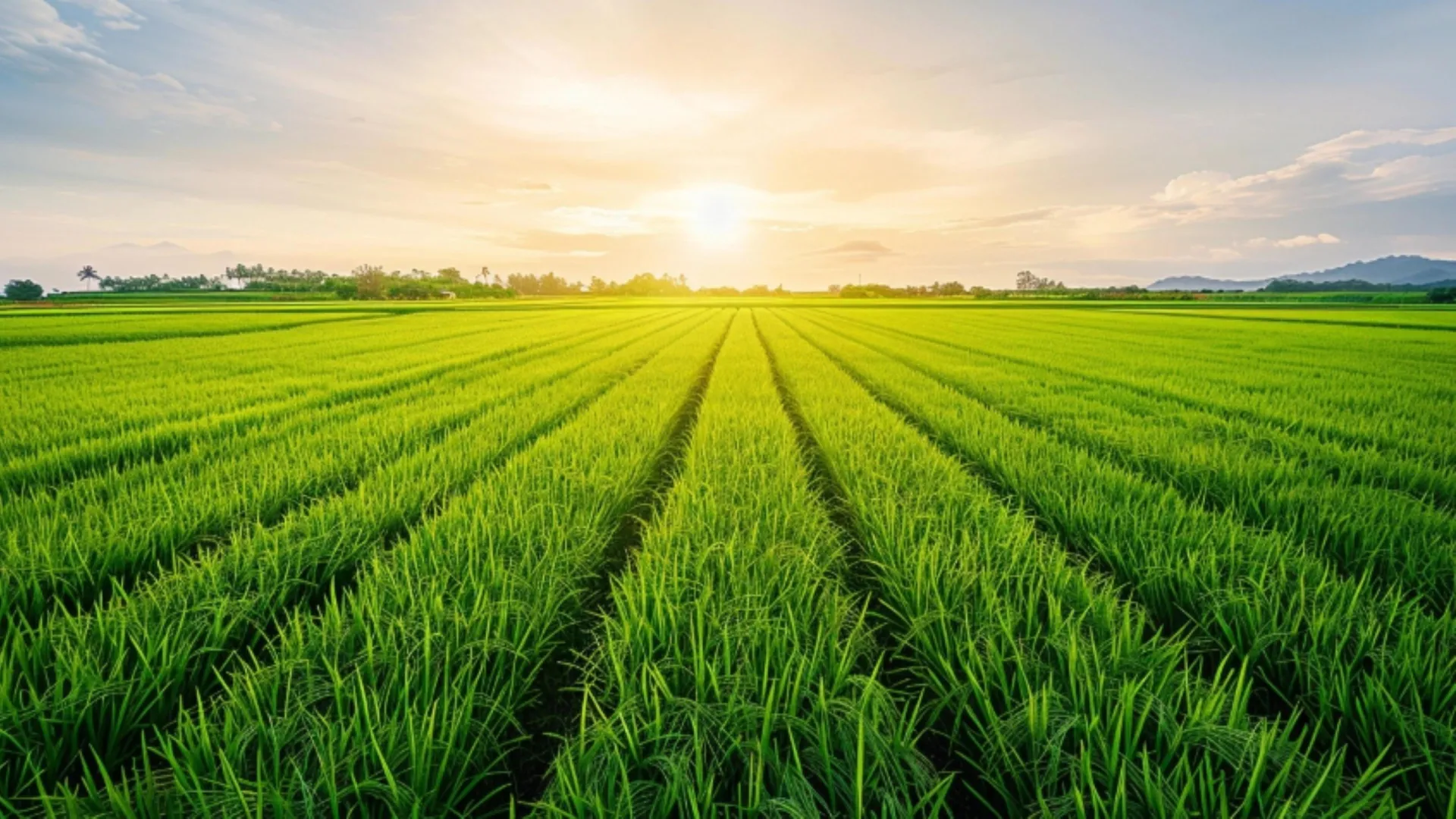
Soil bacteria offer a novel pathway for farming on salt-stressed land. Researchers found that beneficial microbes enhance plant resilience not by blocking salt absorption, but by triggering lignin production, a compound that fortifies root structure.
The team conducted greenhouse and field experiments comparing plants colonized by these bacteria against controls. In both settings, inoculated crops displayed improved health metrics and higher yields when grown in saline soils. Rather than preventing salt uptake, the bacteria appear to strengthen the plant's internal architecture, making it better equipped to tolerate salt stress.
Lignin, a polymer that reinforces cell walls, typically increases under stress conditions. The bacteria accelerate this response, creating thicker, more durable root tissues. This mechanism differs from conventional salt-tolerance strategies that focus on exclusion or sequestration of sodium ions.
The discovery carries practical implications for global agriculture. Salinization affects roughly 800 million hectares of farmland worldwide, rendering much land unsuitable for conventional crops. Current remediation approaches require years of expensive intervention. Microbial inoculants could offer a faster, cost-effective alternative that harnesses natural biological processes.
The research suggests bio-based soil treatments derived from these bacteria might soon become commercially viable tools for farmers managing salt-affected fields. Such treatments could expand cultivation to previously marginal lands without major soil amendments or crop replacement.
The study demonstrates the value of understanding plant-microbe interactions in extreme agricultural environments. However, field performance depends on factors including soil composition, climate, and crop variety. Scalability and long-term efficacy across diverse farming systems require additional validation before widespread adoption.