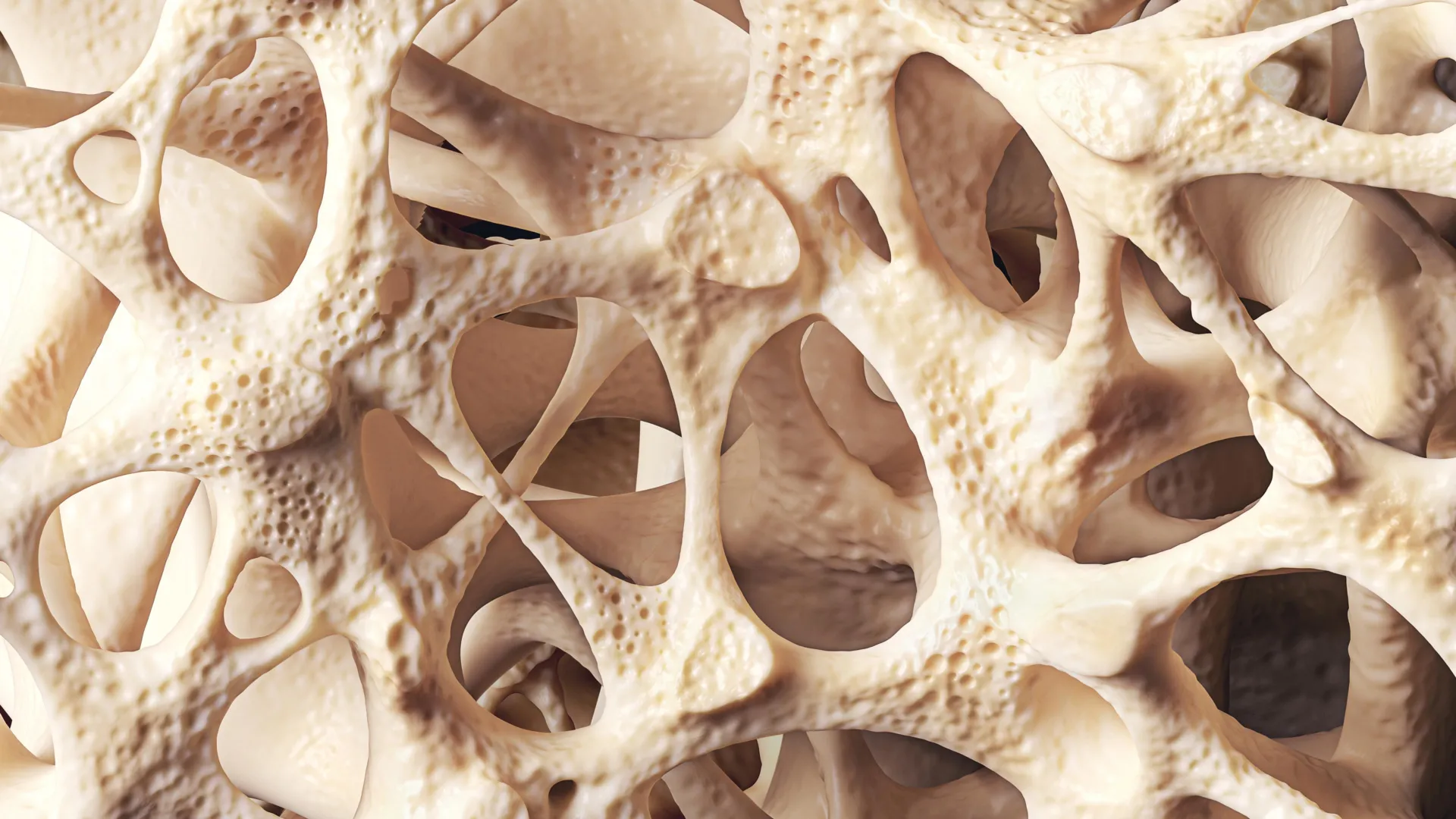
Osteopenia affects millions of people worldwide yet remains largely undetected until a fracture occurs or routine screening reveals the problem. The condition involves a gradual reduction in bone mineral density that falls between normal bone health and osteoporosis, the more severe disorder affecting bone strength.
The disease develops asymptomatically, meaning people experience no warning signs during its progression. Several factors accelerate bone loss. Aging naturally reduces bone density in both sexes. Women face particular risk during and after menopause, when declining estrogen levels dramatically increase bone turnover. Sedentary lifestyles, insufficient calcium and vitamin D intake, and certain medications compound the problem.
Detection typically happens through dual-energy X-ray absorptiometry scans, or DXA scans, which measure bone mineral density. Doctors use T-scores from these tests to distinguish osteopenia from normal bone density and osteoporosis. However, many people never undergo screening unless they present with a fracture or have specific risk factors.
The clinical significance of osteopenia remains somewhat debated. Some researchers emphasize that not everyone with osteopenia develops fractures, while others stress that early intervention prevents progression to osteoporosis, which carries substantially higher fracture risk and health complications.
Preventive strategies focus on lifestyle modifications. Weight-bearing exercise like walking, running, or resistance training stimulates bone formation. Adequate dietary calcium, found in dairy products, leafy greens, and fortified foods, provides essential minerals for bone structure. Vitamin D enables calcium absorption and supports bone metabolism. Additional protective measures include limiting alcohol consumption, avoiding smoking, and ensuring sufficient protein intake.
For individuals already diagnosed with osteopenia, physicians sometimes recommend pharmacological treatments depending on age, fracture risk, and other health factors. Bisphosphonates, selective estrogen receptor modulators, and other medications can slow bone loss.