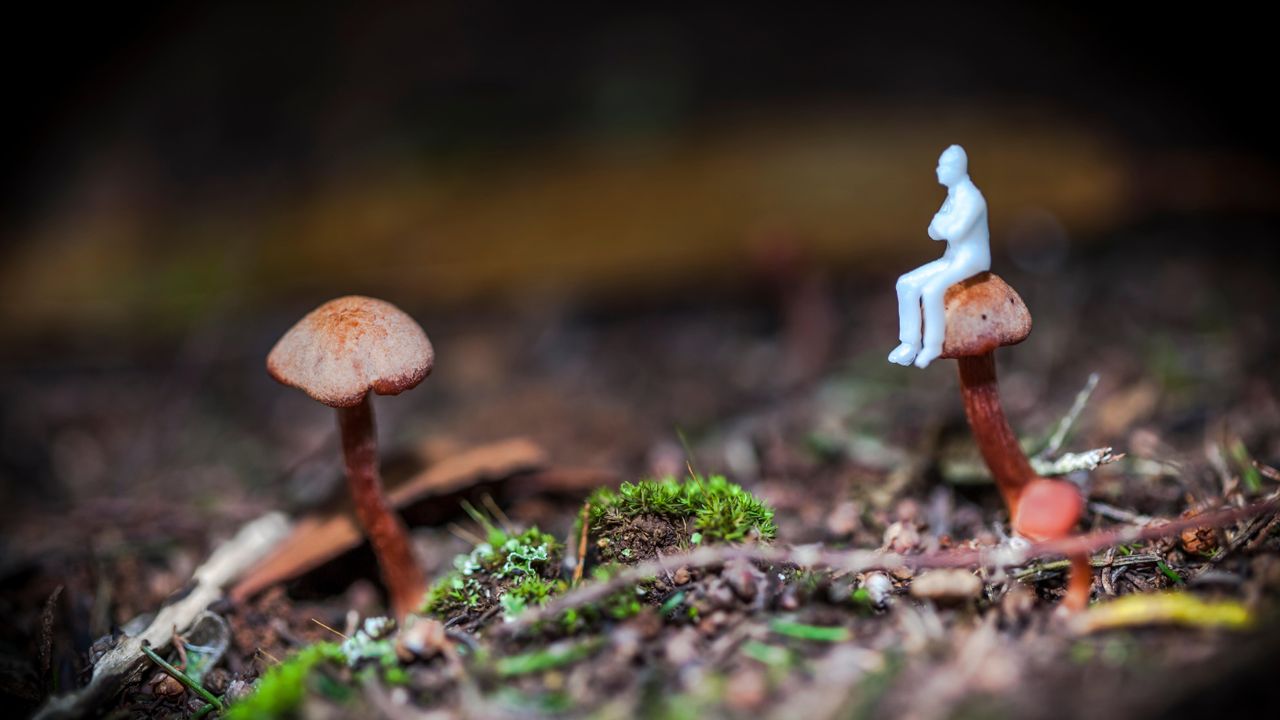
Colin Domnauer, a PhD student in ethnobiology, pursues research that bridges mycology and anthropology in pursuit of identifying a potentially new hallucinogenic compound. The fungus in question produces a distinctive effect, causing users to experience hallucinations of tiny humanoid figures, a phenomenon documented in traditional indigenous practices but largely unexplored by modern science.
Domnauer's work represents an unusual convergence of fields. Ethnobiology examines relationships between humans and organisms within cultural contexts, positioning him to investigate both the fungal biology and the cultural history surrounding the mushroom's use. His investigation could unlock the chemical mechanism responsible for the unique hallucinatory experiences associated with this particular species.
The research carries implications for pharmacology and neuroscience. Understanding novel psychoactive compounds found in fungi advances knowledge of how different molecular structures produce specific effects on human perception and cognition. This knowledge potentially informs therapeutic applications, particularly in psychiatric research where some hallucinogenic compounds show promise in treating conditions like PTSD and depression.
However, significant obstacles remain. The fungus appears rare or regionally specific, complicating sample collection and analysis. Domnauer must navigate regulatory frameworks governing controlled substance research, which restricts laboratory work on hallucinogenic compounds in most jurisdictions. Authentication of the mushroom species itself poses technical challenges, as misidentification could invalidate findings.
The phrase "it sounds so impossible" reflects genuine scientific skepticism. Extraordinary claims about previously undocumented compounds require rigorous methodology and peer review. Domnauer's work depends on combining ethnobotanical documentation with analytical chemistry, requiring expertise across multiple disciplines.
His research exemplifies how traditional knowledge systems can guide contemporary science. Indigenous practices often preceded Western scientific discovery by centuries, yet many remain uninvestigated. By systematically examining these traditions through modern analytical frameworks, researchers like Domnauer potentially unlock pharmacological compounds with