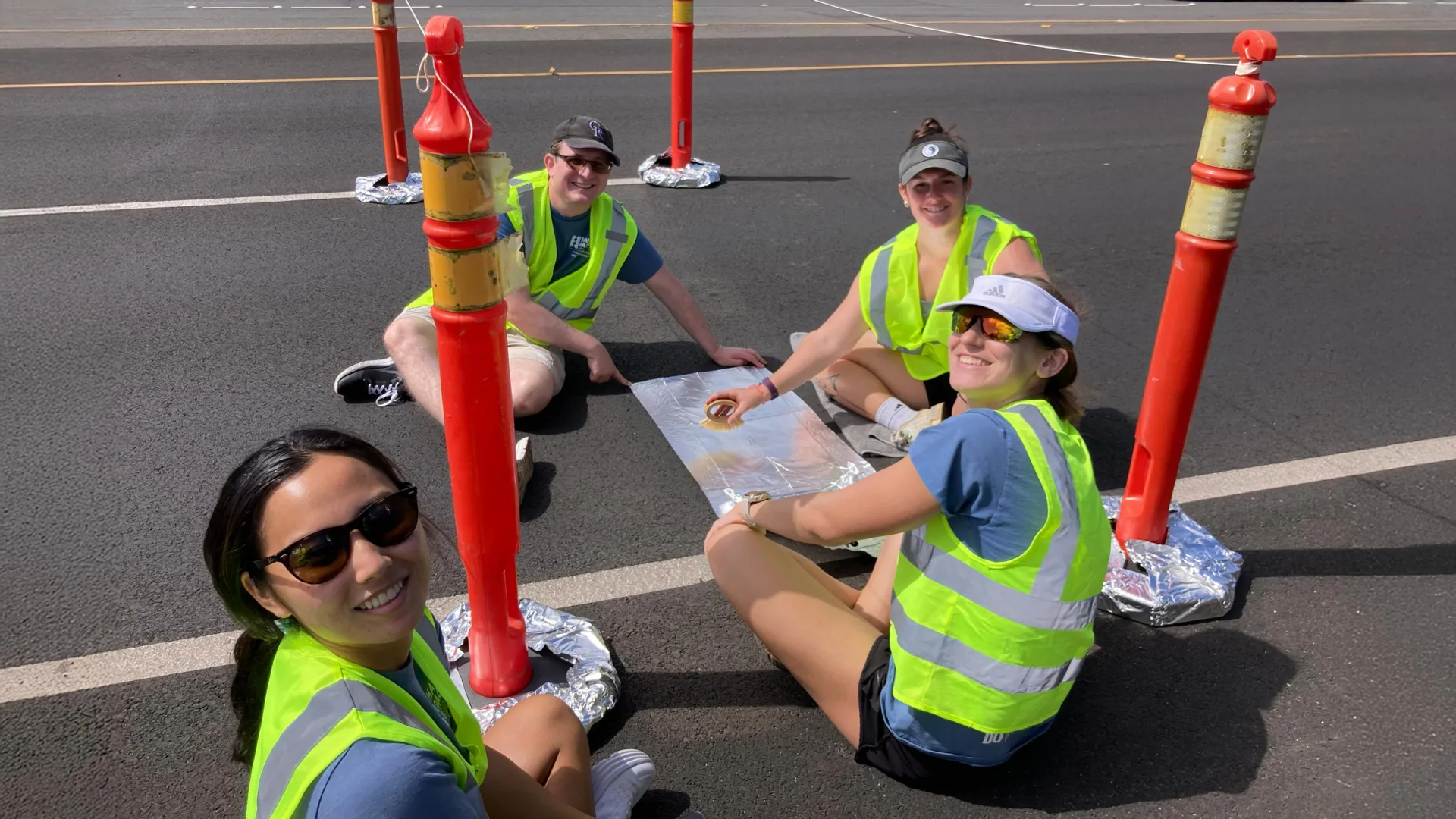
Hawaii researchers have begun converting ocean plastic and discarded fishing nets into road asphalt, addressing two environmental problems simultaneously. The team mixed recycled materials into standard asphalt and tested the resulting pavement for plastic particle release.
Early findings showed the experimental roads did not shed more plastic particles than conventional asphalt. Tire wear dominated particle emissions, effectively masking any plastic leakage from the recycled content. This result suggests the material integration does not create an obvious new pollution pathway.
The research targets a dual crisis. Hawaii's oceans accumulate substantial plastic waste and abandoned fishing nets that degrade marine ecosystems. Simultaneously, landfills overflow with plastic refuse and discarded fishing equipment. Converting these materials into functional road infrastructure offers a practical disposal route while extending asphalt's useful lifetime.
The project remains preliminary. Researchers have not yet conducted long-term durability studies to confirm whether roads built with recycled plastic and nets withstand traffic loads, temperature fluctuations, and weathering at rates comparable to standard pavement. Structural integrity under tropical conditions specific to Hawaii requires verification. The team must also measure whether recycled material roads perform differently across various climate zones.
If future testing confirms durability, the technology could expand beyond Hawaii to other coastal regions drowning in marine waste. Countries with significant fishing industries and plastic pollution problems would find immediate applications. The approach avoids incinerating plastic and fishing nets, which releases carbon emissions, while reducing landfill pressure.
One limitation: the process consumes plastic rather than preventing its creation. Scaling asphalt production alone cannot absorb the volume of ocean plastic entering marine environments annually. The technology functions best as part of broader strategies addressing plastic production and consumption.
The research represents an incremental step toward circular economy practices in construction. Preliminary results warrant continued investigation, though researchers should maintain realistic expectations about the technology's scope as a standalone solution to plastic pollution.