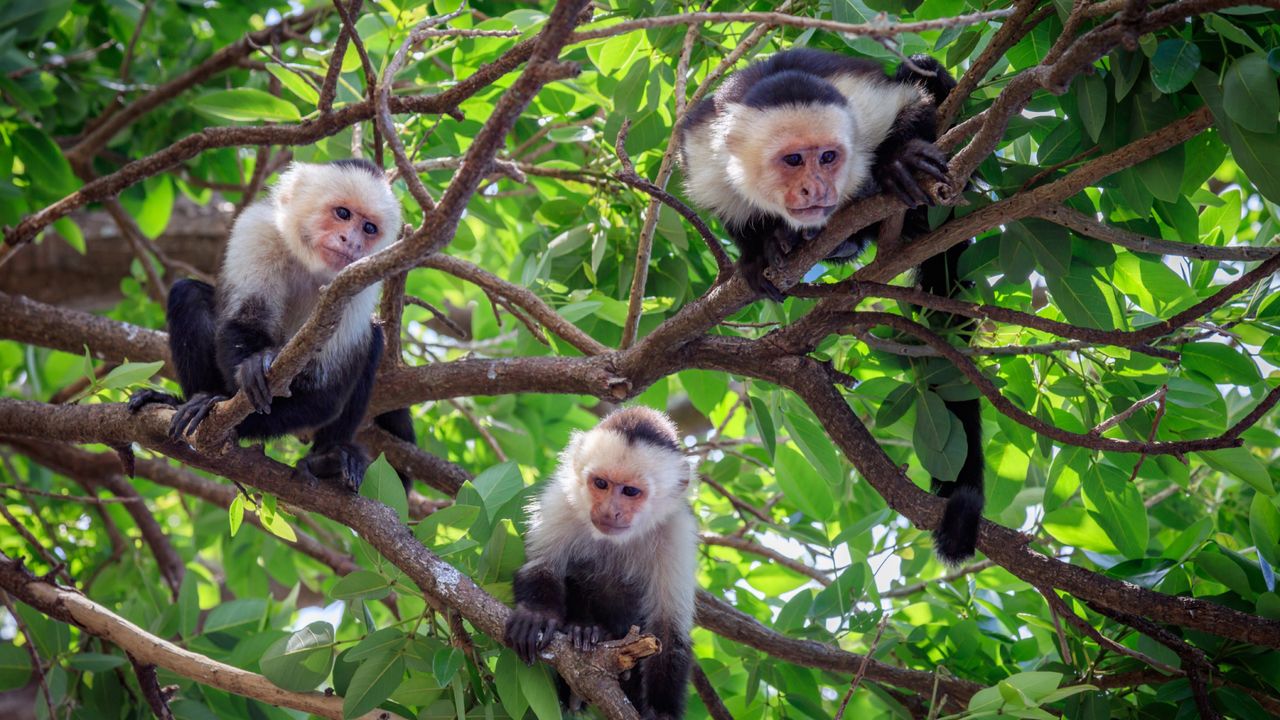
Capuchin monkey mothers in Central and South America are abandoning their infants at higher rates as climate change alters food availability and environmental conditions. Researchers studying these primates found that mothers face intensified pressure during periods of resource scarcity, forcing difficult reproductive decisions.
The study examined how group size and environmental stress interact to shape maternal behavior in capuchins. Larger groups offer safety benefits through collective vigilance and defense against predators. However, they also increase competition for scarce resources during droughts and food shortages. When climate-driven conditions reduce fruit availability and other food sources, mothers in large groups face particularly acute nutritional strain.
Scientists observed that mothers managing these competing pressures sometimes abandon nursing infants to improve their own survival prospects. This strategy, while harsh, reflects an evolutionary trade-off: a mother who conserves energy by stopping lactation increases her chances of surviving to reproduce again later. Infants without nursing mothers have minimal survival chances, making this abandonment a tragic but adaptive response under extreme resource limitation.
The research highlights how climate change operates beyond simple temperature shifts. Altered precipitation patterns, shifting growing seasons, and more frequent droughts fundamentally destabilize the ecological relationships that primates depend on. Capuchins rank among the most cognitively advanced New World monkeys, yet even their intelligence cannot buffer them against systematic food scarcity.
This finding extends concerns about climate impacts on primates across tropical regions. Similar resource-stress scenarios likely affect other social species that depend on stable food availability for reproducing females. The results underscore how climate disruption cascades through animal societies, affecting not just survival but core behavioral systems governing maternal care.
Future conservation efforts will need to address both direct climate impacts and the behavioral responses they trigger. Understanding these mechanisms helps scientists predict which populations face greatest vulnerability and where intervention might preserve threatened primate communities.