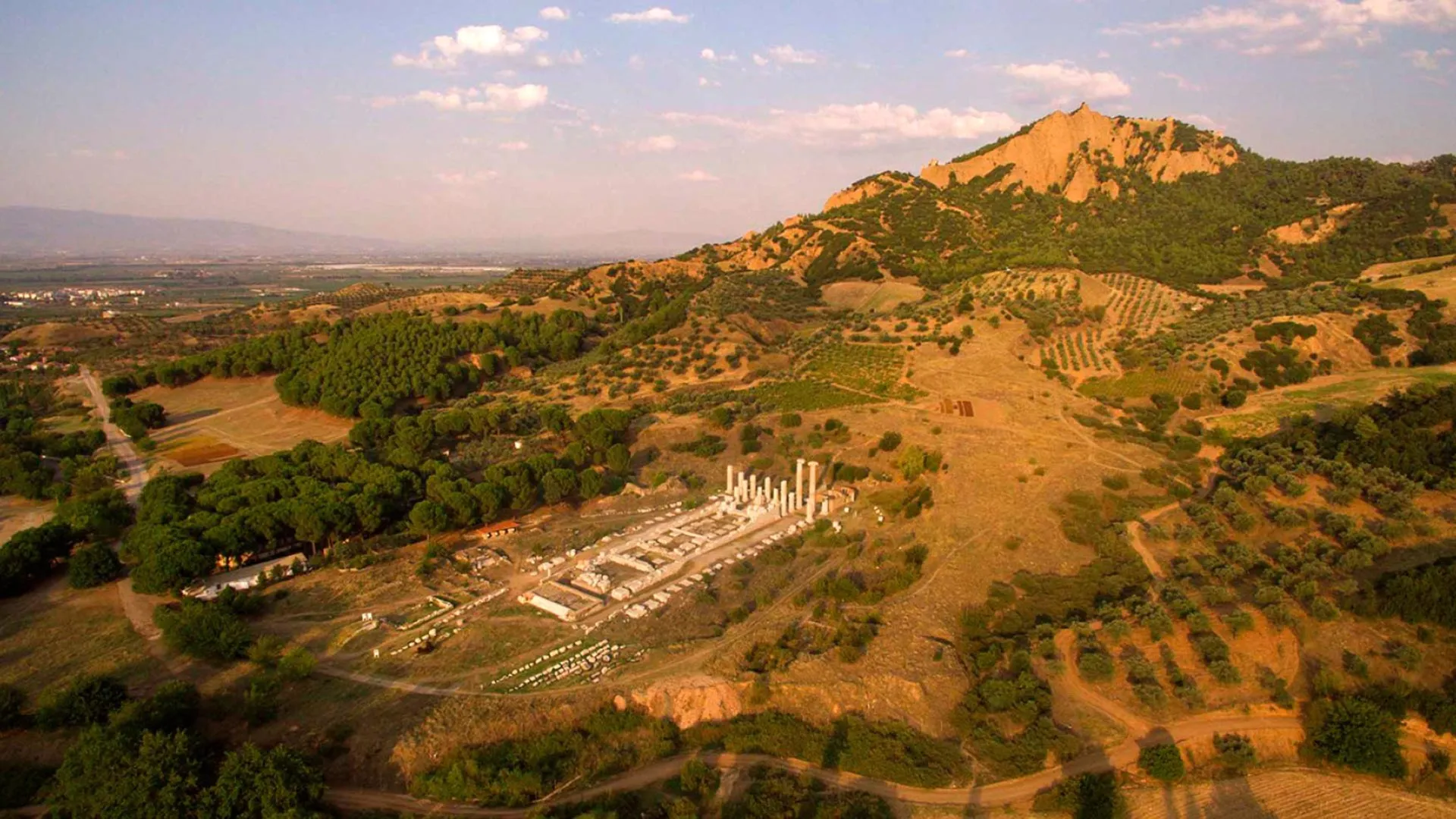
The ancient city of Sardis in Turkey has achieved UNESCO World Heritage Site status after approximately 70 years of continuous excavation work. This designation recognizes the cumulative archaeological discoveries that have fundamentally altered scholarly understanding of the site's historical significance.
Sardis served as the capital of the Lydian kingdom and later became an important Roman and Byzantine city. Its location in western Turkey made it a crucial crossroads of trade and culture in the ancient Mediterranean and Near Eastern worlds. The excavations have uncovered structures, artifacts, and inscriptions spanning multiple civilizations and centuries.
Archaeologists emphasize that major archaeological breakthroughs rarely emerge from single field seasons. Instead, they accumulate gradually as researchers piece together evidence from years or decades of systematic work. The Sardis project exemplifies this patient, methodical approach to understanding the past. Each season of excavation has added layers of context to previous discoveries, allowing experts to construct increasingly detailed narratives about the city's urban planning, religious practices, economic systems, and cultural transitions across different eras.
The UNESCO designation reflects international recognition that Sardis possesses outstanding universal value. The site preserves physical evidence of how ancient cities functioned and evolved, offering archaeologists and historians concrete data about daily life, religious beliefs, technological development, and cross-cultural exchange in antiquity.
This recognition will likely increase funding opportunities and global scholarly attention to ongoing work at Sardis. It may also enhance protection measures for the site and encourage further research initiatives. The achievement marks a milestone for long-term archaeological projects, demonstrating that sustained commitment to excavation and analysis produces knowledge that transforms historical understanding.