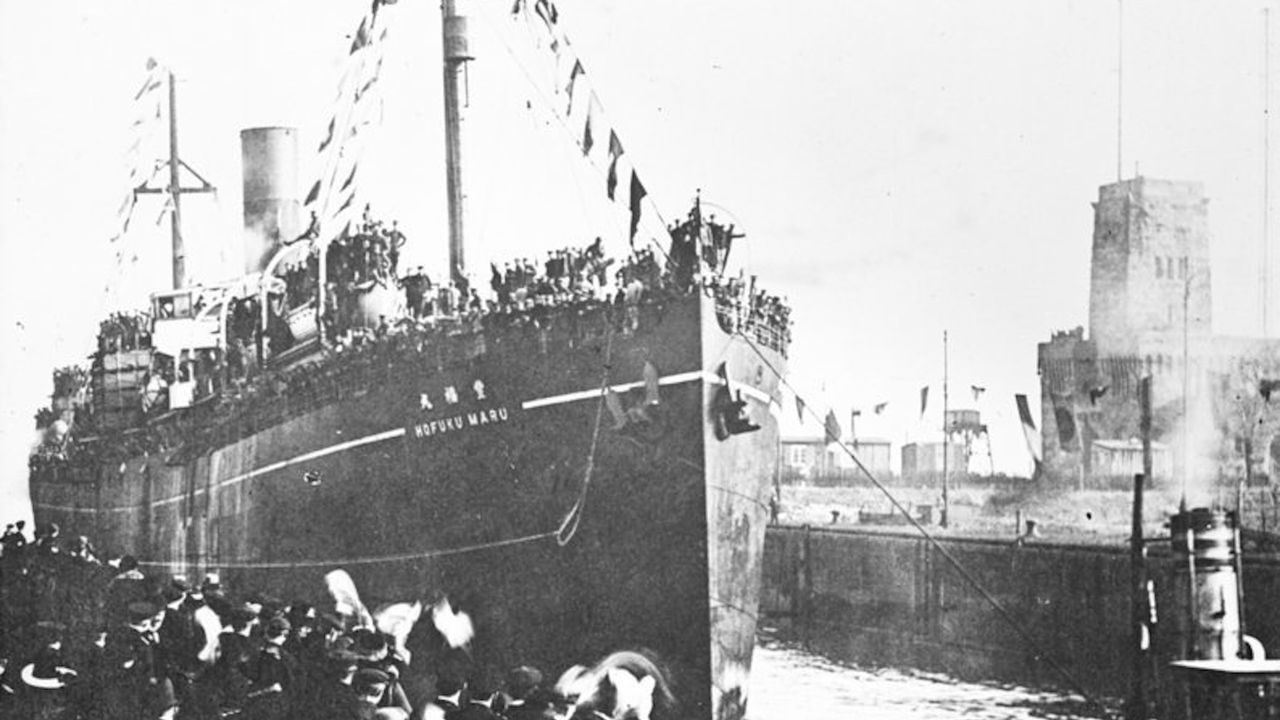
Researchers have located the wreck of the Oryoku Maru, a Japanese transport ship that sank in December 1944 after being torpedoed by a U.S. submarine off Luzon in the Philippines. The vessel carried over 1,000 Allied prisoners of war, most of whom perished when the ship went down.
The discovery represents a significant development in World War II maritime archaeology. The Oryoku Maru operated as a "hellship," a term used to describe Japanese vessels transporting POWs under brutal conditions. The ship was struck by USS Pampanito while attempting to relocate prisoners from the Philippines to Japan, where they faced forced labor assignments.
Historical records indicate that approximately 1,070 prisoners were aboard when the torpedo hit. The majority drowned or succumbed to injuries sustained during the attack and subsequent chaos. Survivors who made it to lifeboats or clung to wreckage faced additional horrors. Some were machine-gunned by Japanese forces in the water, while others died from exposure and exhaustion during rescue attempts that stretched across several days.
The wreck's location off Luzon had long been known to historians and researchers, but its exact position and condition had not been formally documented until this discovery. Locating such wrecks serves both archaeological and commemorative purposes. The site stands as a physical reminder of the atrocities committed against Allied POWs during the Pacific theater of World War II.
The Oryoku Maru sinking represents one of the deadliest maritime disasters involving POWs during the war. The incident underscores the extreme suffering endured by captured service members held by Japanese forces. Of the estimated 27,000 Allied POWs who died in Japanese captivity during World War II, a substantial portion perished on hellships like the Oryoku M