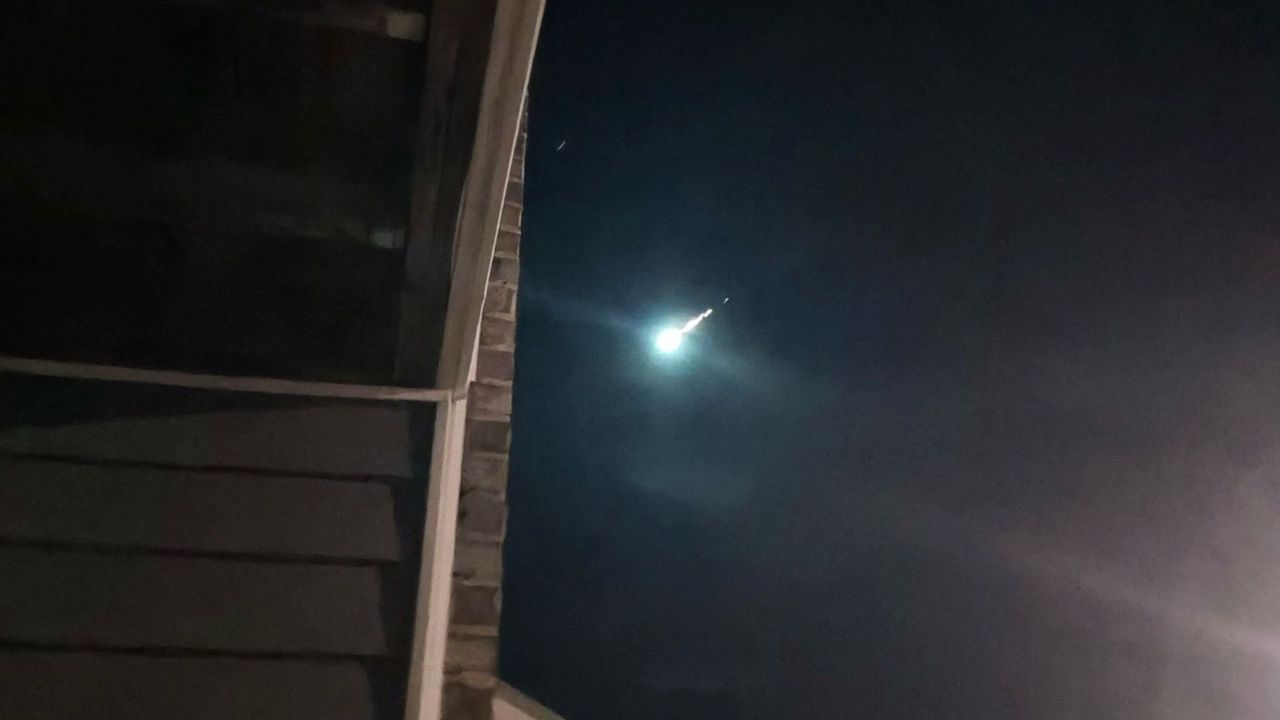
A spectacular fireball streaked across the Midwest sky, traveling 300 miles in just seconds before breaking apart in a brilliant display visible across multiple states. The meteor blazed through the atmosphere with enough brightness to be captured on numerous ground cameras and reported by witnesses across a wide geographic area.
Fireballs form when meteoroids enter Earth's atmosphere at extremely high velocities, typically 45,000 miles per hour or faster. Friction with the air heats the space rock to incandescence, creating the bright streak. The 300-mile path indicates the meteor traveled deep into the lower atmosphere before fragmenting, a process that releases enormous energy.
The Midwest event joins a growing catalog of daytime and nighttime fireballs tracked by NASA's Planetary Defense Coordination Office and amateur astronomy networks. These observations help scientists map meteoroid streams and assess impact risks from larger objects. The American Meteor Society and local astronomy clubs often crowdsource eyewitness reports and video to triangulate trajectory and estimate the meteoroid's original size.
Fireballs brighter than Venus occur regularly, with several visible events reported monthly across North America. Most meteoroids burn up completely, posing no ground hazard. The dramatic nature of this particular event, with its extended visible path, attracted substantial public attention and provided valuable data for researchers tracking near-Earth objects.
Such sightings remind the public that Earth continuously sweeps up space debris. While most material vaporizes safely in the upper atmosphere, studying these events improves understanding of the meteoroid population and refines models predicting future impacts from larger bodies. Video evidence proves especially valuable, allowing scientists to calculate velocity, trajectory, and composition from brightness data.