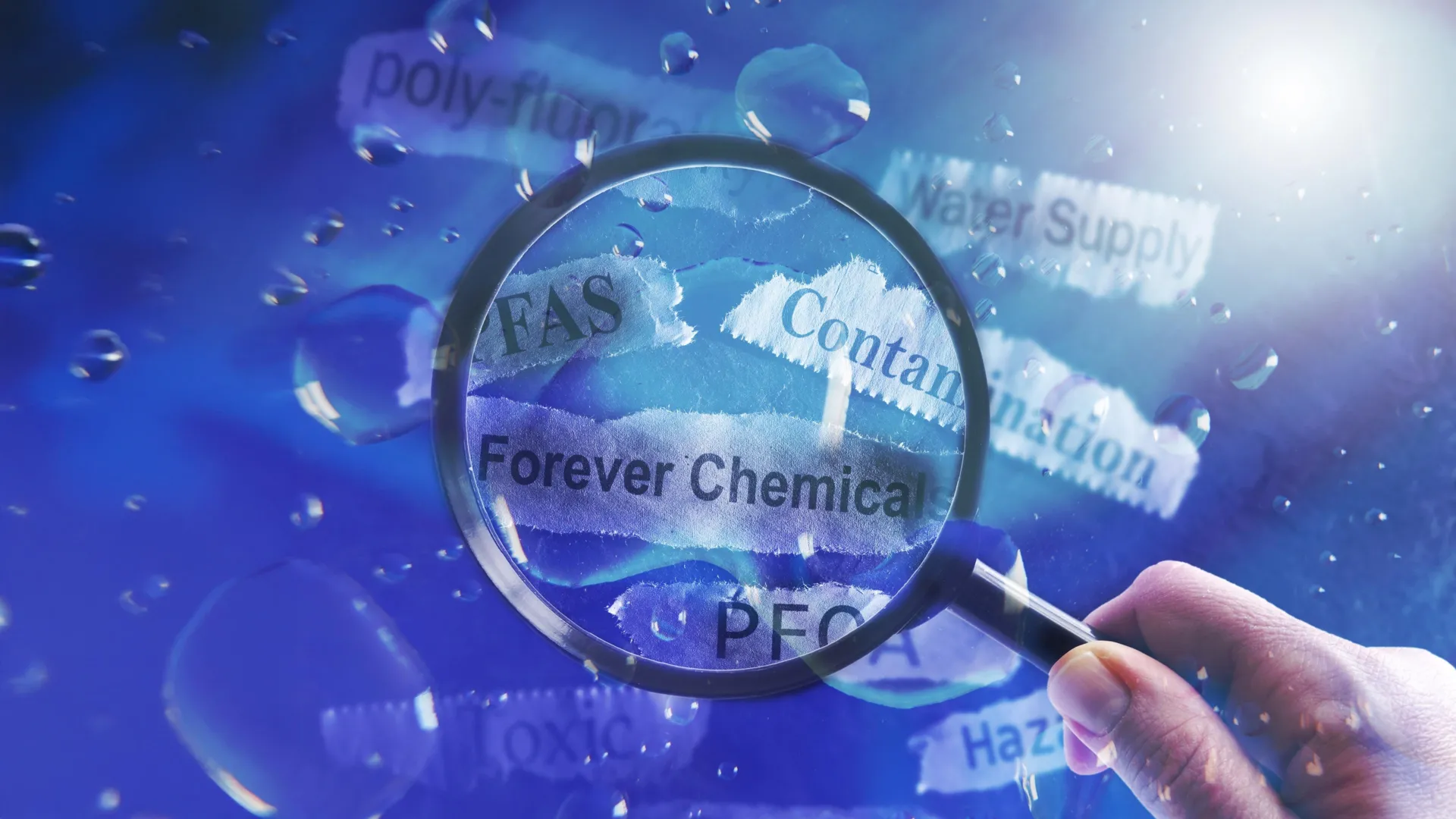
Researchers have identified a mechanism for breaking down PFAS compounds, known as "forever chemicals" because they persist in the environment and bioaccumulate in human tissue. Scientists found that hydrogen radicals produced by intense ultraviolet light can degrade these stubborn pollutants without requiring additional chemical additives.
PFAS, or per- and polyfluoroalkyl substances, contaminate drinking water supplies across the United States and globally. These synthetic compounds resist degradation in nature and accumulate in blood, organs, and tissues. Current remediation methods involve expensive filtration or incineration, and no widely adopted destruction technology exists.
The UV-driven mechanism works by generating highly reactive hydrogen radicals that attack the carbon-fluorine bonds holding PFAS molecules together. This approach avoids adding new chemicals to contaminated water or soil, reducing secondary pollution risks.
The discovery opens pathways for developing greener technologies to eliminate these compounds at scale. Unlike conventional methods that trap or transfer PFAS, this approach promises actual decomposition. Researchers can now focus on engineering systems that harness intense UV light efficiently for water treatment applications.
The work represents progress on a problem affecting millions of people. PFAS exposure links to kidney disease, liver damage, thyroid disease, and other health effects. Military bases, industrial sites, and areas near airports show elevated contamination levels.
However, practical limitations remain. Intense UV light requires substantial energy inputs, and treating large water volumes presents engineering challenges. Real-world water contains competing UV-absorbing compounds that could reduce reaction efficiency. Researchers must optimize conditions and scale the approach from laboratory demonstrations to functional treatment facilities.
The findings shift focus from containment strategies to actual chemical breakdown, offering hope for communities struggling with PFAS contamination. Further development could establish UV-driven radical methods as a cornerstone of PFAS remediation infrastructure.