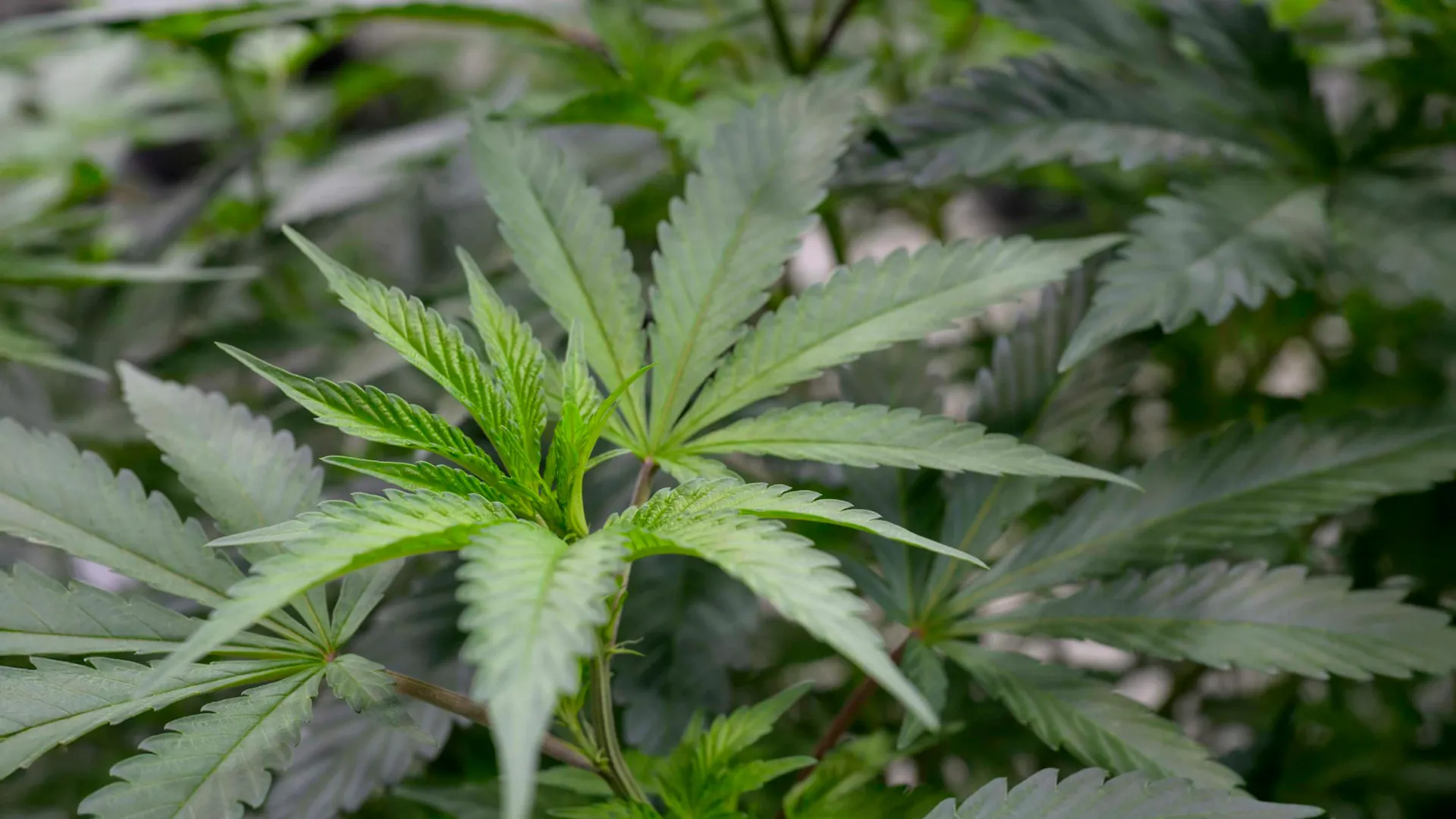
Researchers have identified cannabis-derived terpenes that reduce chronic pain in mice without producing psychoactive effects. The compounds, which give cannabis and other plants their distinctive aromas, demonstrated significant pain relief in models of fibromyalgia and post-surgical pain.
Geraniol, one terpene tested, showed particularly strong analgesic properties. Unlike THC, the main psychoactive component of cannabis, these aromatic molecules do not trigger the "high" associated with cannabis use, potentially making them safer options for pain management.
Terpenes are volatile organic compounds produced by many plants. They create flavors and scents in everything from lavender to pine trees to cannabis. Previous research suggested these compounds had biological activity, but their pain-relieving potential remained largely unexplored.
The research team exposed mouse models of fibromyalgia and post-surgical pain to several cannabis-derived terpenes and measured changes in pain sensitivity. Multiple terpenes reduced pain responses compared to controls. Geraniol produced the most robust effects across both pain models tested.
The findings open a new direction for pain therapy development. Current opioid medications carry addiction risks and side effects. While some cannabinoid-based treatments exist, psychoactive properties limit their appeal to patients and regulators. Terpenes offer a different pharmacological approach without those complications.
Several limitations apply to this research. Mouse models do not perfectly replicate human pain conditions or drug responses. The mechanisms by which terpenes reduce pain require further investigation. Researchers have not yet tested these compounds in human patients or determined optimal dosing strategies. Safety profiles and potential side effects in humans remain unknown.
The work suggests terpenes deserve clinical investigation as pain therapeutics. Before any treatment reaches patients, researchers must conduct studies in human subjects to verify efficacy, establish safe dose ranges, and rule out adverse effects. The compounds represent a promising