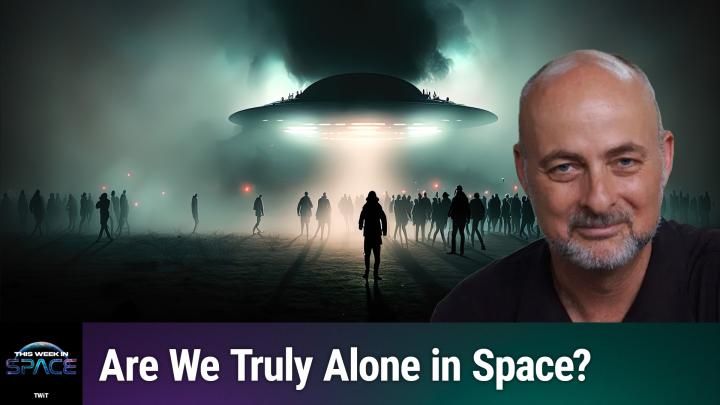
Rod Pyle and Susan Karlin hosted Episode 215 of the "This Week In Space" podcast, featuring an interview with Dr. David Brin, a bestselling science fiction and science fact author. The episode centered on disclosure day, a topic Brin has explored extensively through his fictional and non-fictional work examining humanity's potential first contact with extraterrestrial intelligence.
Brin has long been a prominent voice in discussions about how societies should prepare for and respond to evidence of alien life. His novels, including the Hugo and Nebula Award-winning "Startide Rising," explore themes of communication across species and the social implications of discovering we are not alone in the universe. Beyond fiction, Brin has contributed to serious scientific discourse about biosignatures, the probability of extraterrestrial civilizations, and protocols for handling confirmed contact.
The podcast episode examined various aspects of disclosure scenarios. These discussions typically address several key questions: how governments and institutions should communicate such discoveries to the public, whether current detection methods would provide sufficient evidence to convince skeptics, and what psychological and social effects widespread knowledge of extraterrestrial life might have on human civilization.
The timing of such discussions reflects growing public interest in unidentified anomalous phenomena (UAP) and the scientific search for extraterrestrial intelligence (SETI). Recent congressional hearings and declassified government documents have renewed mainstream attention to questions about potential non-human intelligent activity, though no confirmed evidence of extraterrestrial life currently exists.
Brin's perspective bridges scientific rigor with narrative exploration, allowing audiences to consider both the technical feasibility of detecting alien signals and the profound cultural shifts that confirmed contact would trigger. The podcast provided listeners with an accessible entry point into complex questions about humanity's place in the cosmos and our readiness for answers that might fundamentally reshape our understanding of existence.