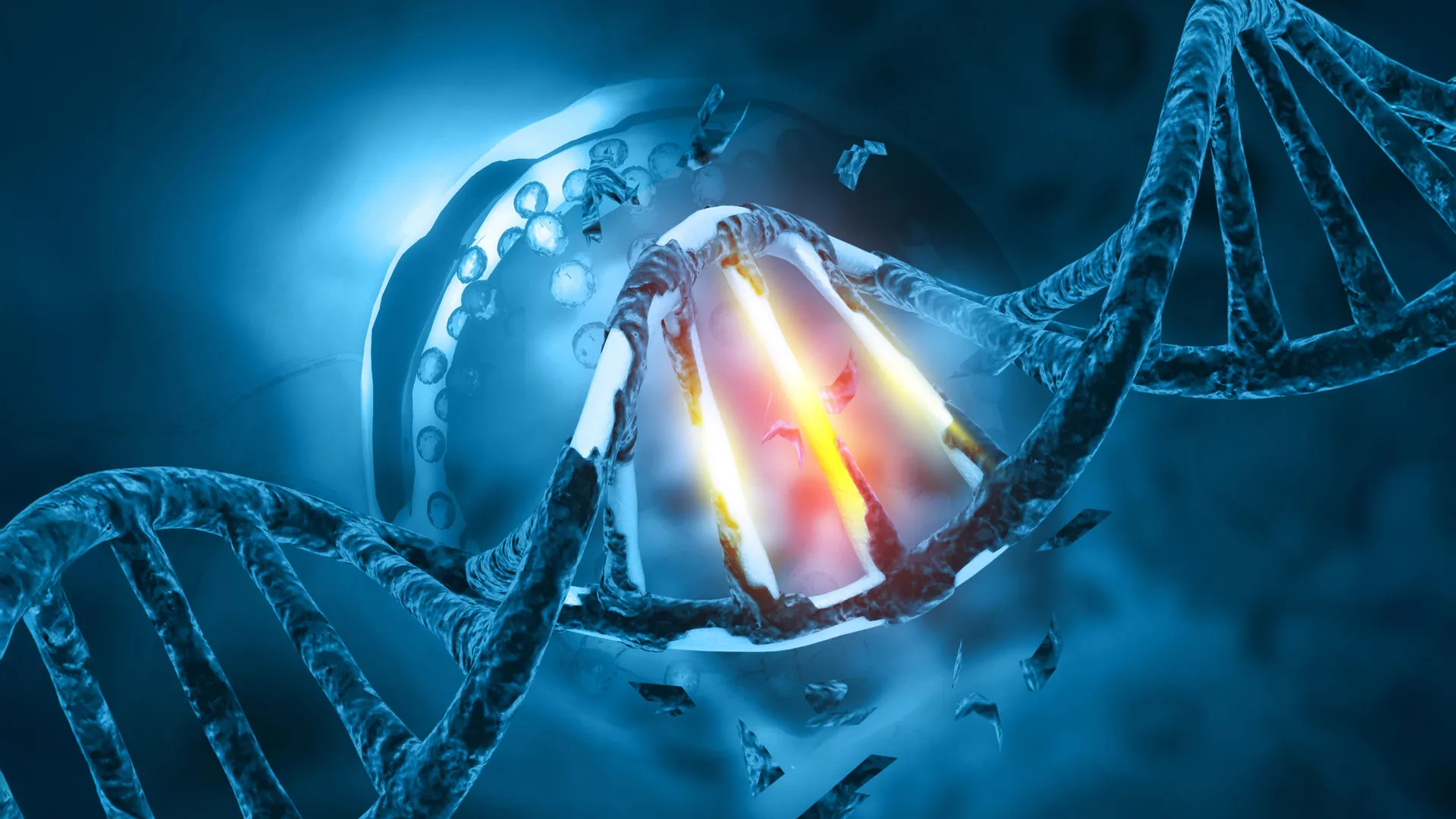
Researchers have uncovered a paradox in cancer biology. EXO1, a gene that normally protects cells by repairing damaged DNA, becomes harmful when overexpressed, according to a finding published recently. The gene encodes a protein that functions like molecular scissors, carefully trimming and fixing broken DNA strands. But when cells produce too much EXO1, the protein cuts DNA indiscriminately, creating mutations that drive cancer development.
This discovery reveals a vulnerability that could reshape how scientists approach cancer treatment. The team found that excessive EXO1 activity destabilizes the genome, generating the very DNA damage it evolved to prevent. The reversal in function transforms a protective mechanism into a cancer promoter.
The research highlights how cancer cells exploit normal cellular machinery for their own advantage. By flooding their nuclei with EXO1 protein, cancer cells harness a repair gene as a weapon that generates genomic instability. This instability fuels tumor growth and evolution, allowing cancer cells to develop new mutations faster than normal cells.
The finding opens therapeutic possibilities. If researchers can block EXO1 overexpression or inhibit its excess activity, they could force cancer cells to either reduce the DNA damage they're creating or lose a tool they depend on for rapid adaptation. Some cancers with high EXO1 levels might become vulnerable to treatments that exploit this dependence.
The work demonstrates why understanding the dose and context of gene activity matters in cancer biology. A gene's protective role at normal levels can become dangerous at elevated concentrations. This principle likely applies to other DNA repair and cellular maintenance genes, suggesting researchers should examine overexpression across the whole repair machinery toolkit.
The challenge ahead involves translating this mechanistic insight into clinical benefit. Researchers must identify which cancer types rely most heavily on EXO1 overexpression and develop drugs that can selectively interfere with it without har