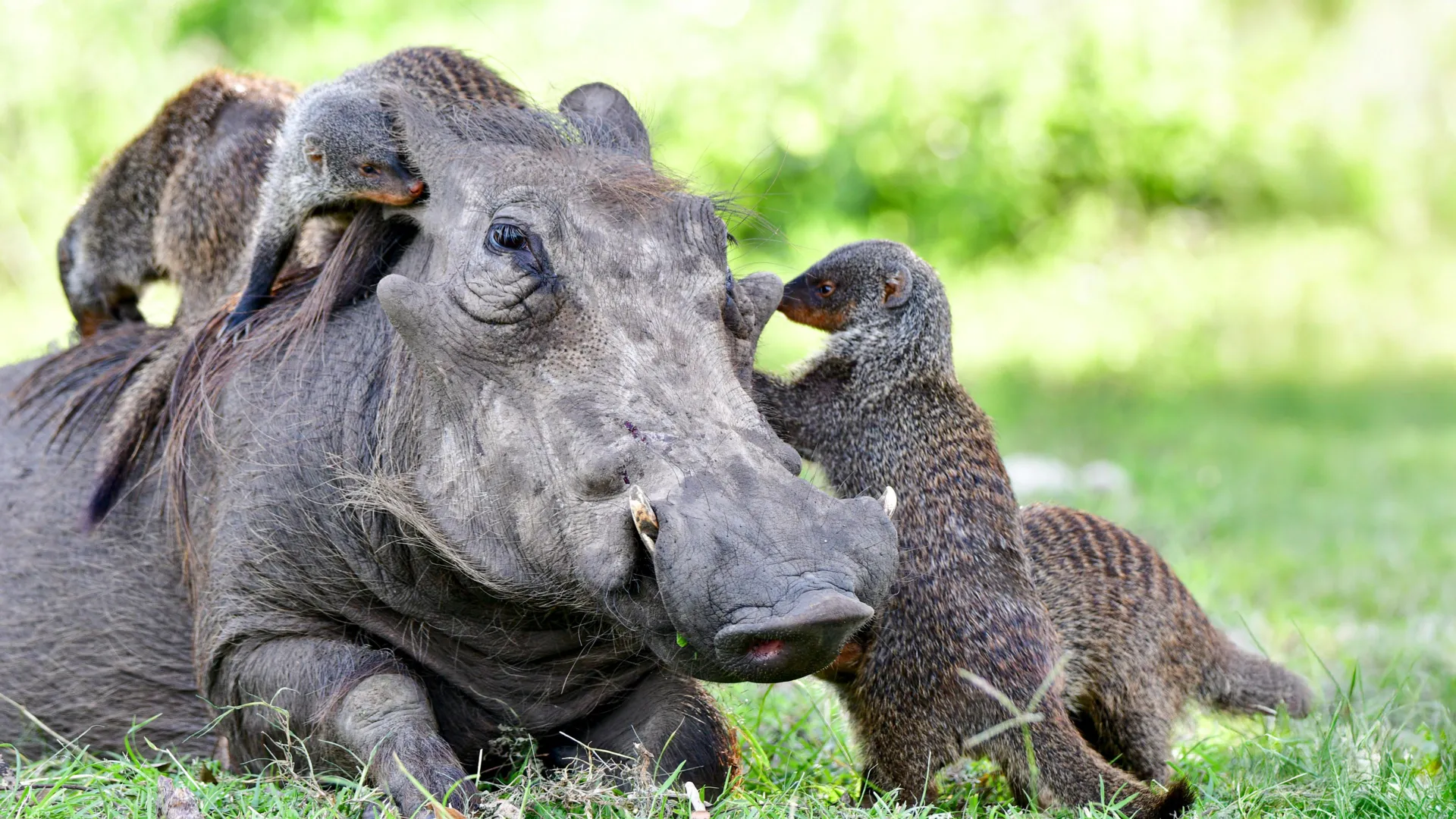
Animals across species lines communicate with surprising complexity to achieve survival goals, according to emerging research that reshapes understanding of how nature's partnerships function.
Interspecies cooperation requires animals to exchange information about food sources, parasite removal opportunities, and predator threats. These interactions rely on signals that researchers now recognize as flexible and adaptive rather than rigid instincts. A cleaner fish uses specific movements to signal a larger fish that parasites await removal. A bird alarm call conveys different threat levels depending on predator type. These aren't simple reflexive responses but evolved communication systems.
Scientists studying these partnerships find them woven throughout ecosystems. Oxpeckers remove ticks from large mammals while gaining meals. Honeyguide birds lead humans and badgers to beehives, receiving beeswax rewards. Egyptian plovers allegedly clean crocodile teeth, though this example remains debated. The prevalence of such arrangements suggests interspecies communication provides genuine survival advantages rather than representing ecological oddities.
The research indicates these systems evolved alongside the partnerships themselves. Animals refined signals through repeated interactions, developing what amounts to cross-species "dialects." A species' communication changes depending on which other species they regularly encounter. This flexibility demonstrates these aren't preprogrammed behaviors but learned, modifiable systems.
Prior scientific frameworks underestimated interspecies communication's importance. Researchers focused primarily on intraspecies interactions, viewing cross-species encounters through competition rather than cooperation lenses. This bias obscured the vast network of collaborative relationships sustaining ecosystems.
Understanding these communication networks matters for conservation and ecosystem management. Disrupting interspecies partnerships through habitat fragmentation or species removal can collapse communities in unexpected ways. Protecting effective cooperation requires recognizing which signals different species exchange and maintaining conditions allowing those interactions to continue.
The research remains incomplete regarding mechanisms underlying signal recognition across species lines and how animals interpret unfamiliar signals. Future