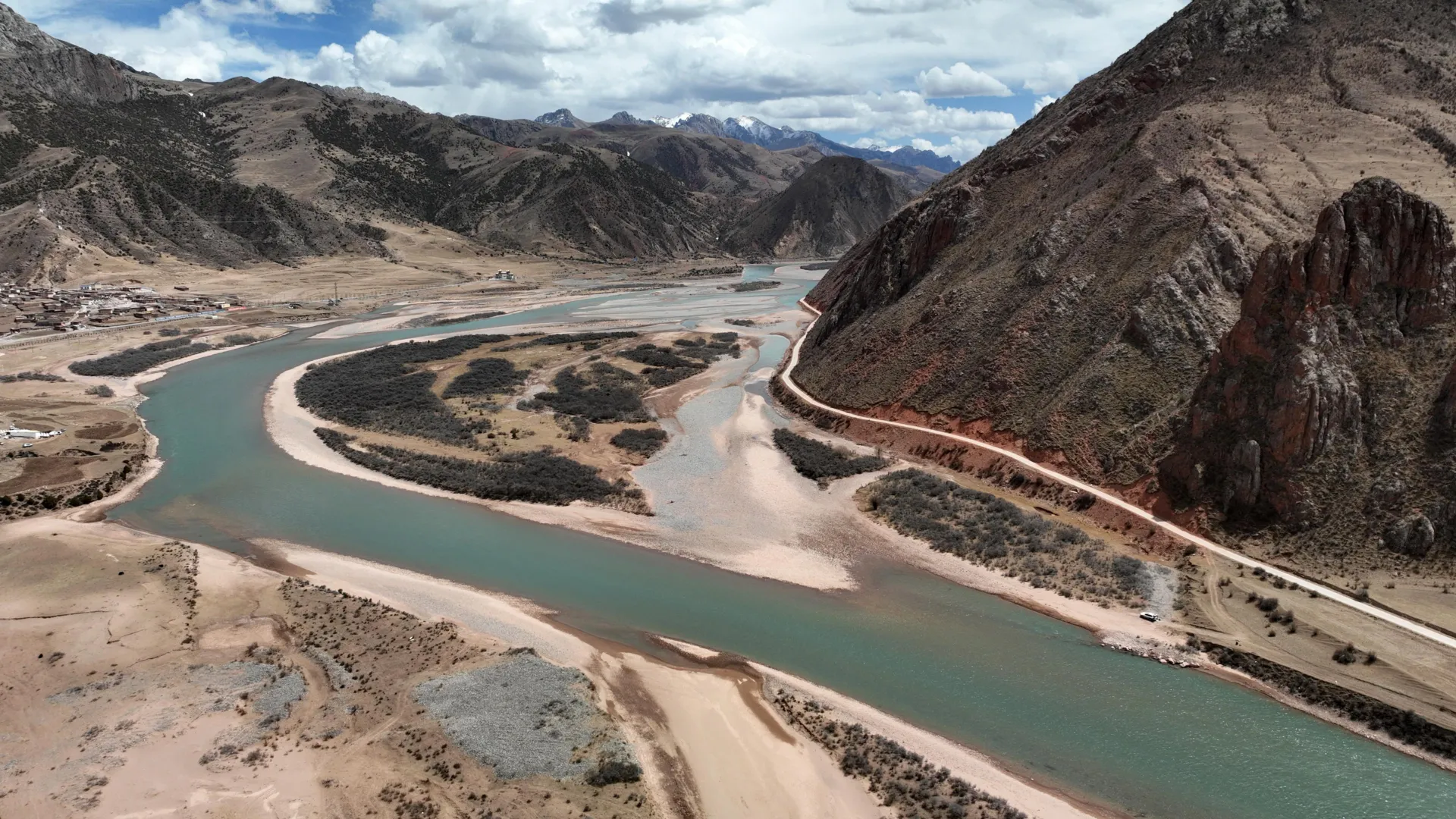
Thawing permafrost releases methane and CO2 into the atmosphere, accelerating climate warming. But new research reveals an overlooked counterbalance. When permafrost thaws, it exposes fresh rock surfaces that undergo weathering, a geological process that absorbs carbon dioxide from the air and locks it away.
Scientists discovered this dynamic can be potent enough to offset greenhouse gas emissions from thawing permafrost in certain regions. The weathering process transforms rock minerals into dissolved compounds that rivers carry downstream, where carbon becomes sequestered in ocean sediments over geological timescales.
The team analyzed data from permafrost regions and found that carbon uptake from accelerated weathering sometimes exceeded the CO2 and methane released by thawing. This discovery challenges the prevailing narrative that permafrost thaw universally amplifies climate change without mitigation.
The mechanism works like this. Thawing permafrost destabilizes slopes, creating landslides and erosion that expose fresh bedrock. Rainwater chemically reacts with these newly exposed minerals, consuming atmospheric CO2 in the process. In watersheds with abundant mountainous terrain and reactive rocks, this weathering carbon sink proved substantial.
However, the effect varies dramatically by geography. Permafrost regions with gentle topography and chemically inert bedrock show minimal weathering benefits. The research suggests that regional geology determines whether thawing permafrost net absorbs or emits carbon.
Scientists emphasize this natural carbon sink does not eliminate permafrost thaw as a climate threat. The absorbed CO2 operates on geological timescales spanning centuries to millennia, while methane releases warm the climate rapidly. Additionally, the weathering process also releases some CO2 during rock dissolution, reducing the net carbon benefit.
The findings highlight complexity in Earth system feedback loops. Rather than simple cause-and-effect