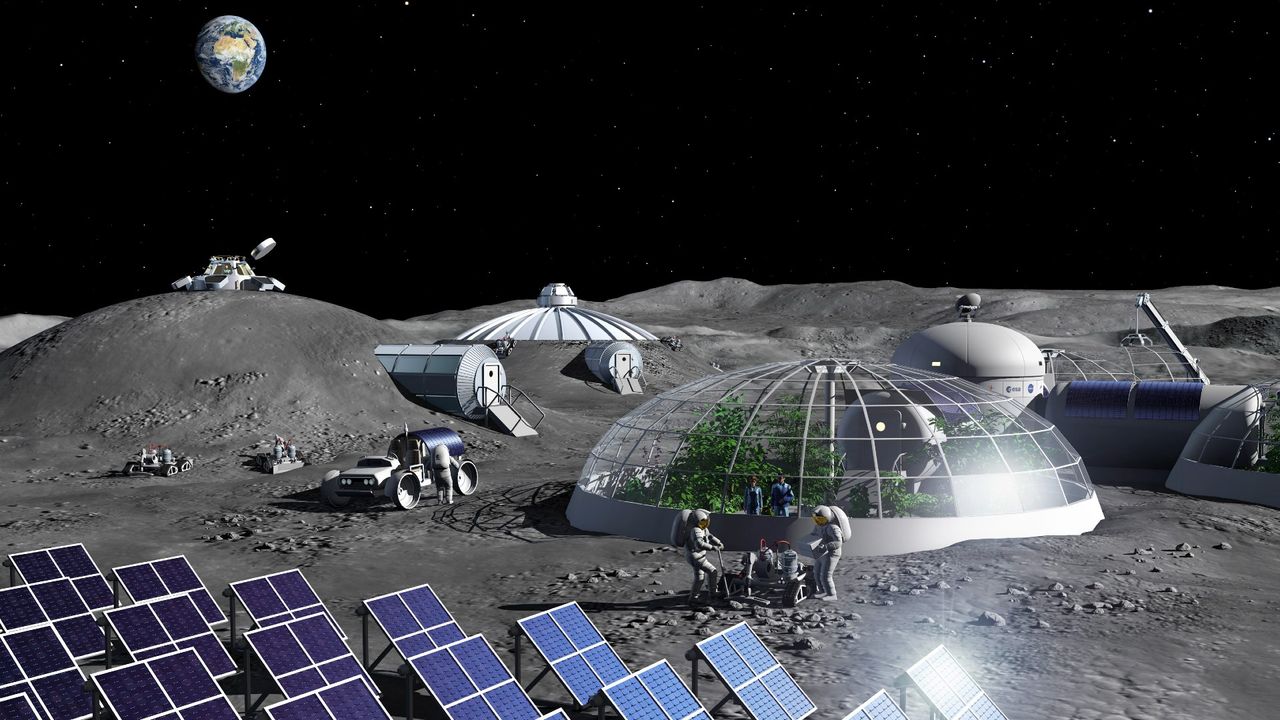
NASA's push to establish sustained human presence on the moon faces an unexpected hurdle: the lack of standardized construction guidelines. Experts argue that developing a comprehensive lunar building code represents essential infrastructure for safe base construction on the lunar surface.
The moon presents unique engineering challenges that terrestrial building codes cannot address. Gravity on the lunar surface is one-sixth Earth's strength, fundamentally altering load-bearing calculations and structural stability requirements. Extreme temperature swings between 260 degrees Fahrenheit in sunlight and minus 280 degrees Fahrenheit in shadow stress materials differently than on Earth. Micrometeorite impacts, radiation exposure, and the abrasive lunar regolith environment demand design specifications unknown to conventional architects and engineers.
Current NASA planning relies on adaptation of Earth-based standards, an approach engineers say introduces unnecessary risk. Without agreed-upon safety protocols and material specifications for lunar conditions, different teams could build incompatible or unsafe structures. This becomes particularly critical as multiple nations and private companies pursue lunar development.
A formal lunar building code would establish baseline standards for pressurized habitats, landing pads, power systems, and excavation projects. It would define stress limits for lunar concrete analogs made from regolith, specify anchor depths for structures on low-gravity terrain, and establish radiation shielding requirements. International consensus on these standards accelerates development timelines and reduces costs by preventing redundant testing and failures.
The International Building Code Commission and space agencies have begun preliminary discussions on lunar standards, though comprehensive regulations remain years away. Engineers stress that developing this framework now, before major construction projects launch, proves more efficient than retrofitting safety measures post-launch.
Establishing lunar construction standards positions humanity for permanent settlement. As NASA targets the late 2020s for crewed lunar missions and sustained base operations, standardized codes transform moon building from experimental ventures into engineered infrastructure suitable for long-term habitation.