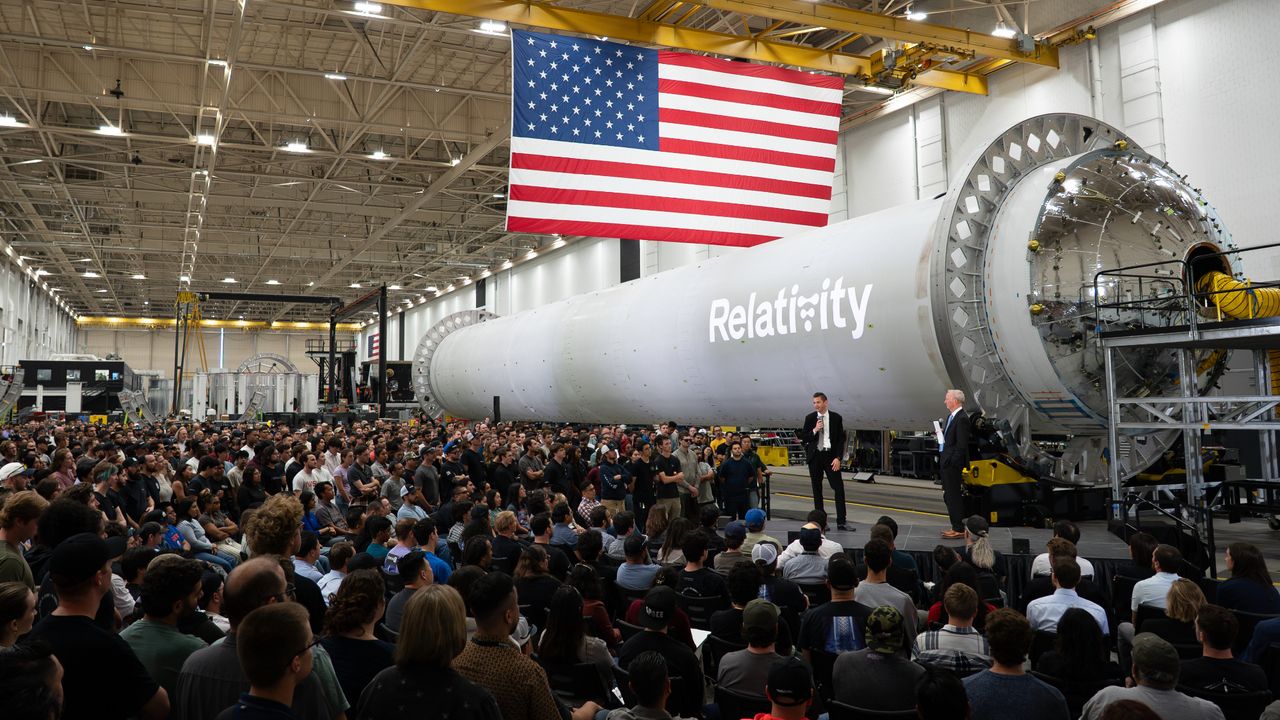
NASA selected a California-based private company to build and launch the space agency's next Mars orbiter, scheduled for 2028. The spacecraft will conduct the Aeolus mission, marking the first daily global environmental monitoring of Mars.
The orbiter will measure atmospheric conditions across the planet, collecting data on wind patterns, dust storms, temperature, and pressure. This continuous monitoring capability represents a step forward in understanding Martian climate dynamics and atmospheric processes. Previous Mars missions have provided snapshots of conditions, but Aeolus will deliver sustained daily observations.
The mission reflects NASA's evolving approach to planetary exploration. Rather than developing and building spacecraft entirely in-house, the agency increasingly partners with private aerospace contractors. This strategy reduces development costs and timelines while leveraging commercial innovation. SpaceX's involvement in NASA missions has attracted attention, but this contract demonstrates that other companies compete successfully for agency projects.
The Aeolus spacecraft will carry instruments specifically designed to measure winds in the Martian atmosphere, along with sensors for complementary environmental data. Understanding Mars's atmosphere proves essential for multiple reasons. Scientists studying the planet's climate evolution need baseline measurements. Engineers planning future human missions must account for atmospheric conditions that affect landing systems and dust infiltration. Researchers investigating Martian geology and water ice distribution benefit from wind and dust transport data.
The 2028 launch date aligns with NASA's broader Mars exploration agenda. The space agency maintains multiple active orbiters around Mars, but aging spacecraft need eventual replacement. This mission ensures continuity in atmospheric observations while testing new measurement techniques.
Details about the selected company and specific contract value remain pending from NASA's formal announcement. The mission development process typically involves prototyping, testing, and system integration over several years. Launch complexity for Mars missions requires precision trajectory planning, as launch windows occur roughly every 26 months when Earth and Mars achieve favorable orbital geometry.
Success depends on