Camera traps deployed inside Ukraine's Chernobyl exclusion zone documented a striking behavioral shift in mammals during Russia's 2022 occupation. Wildlife activity dropped significantly, with nocturnal animals showing the most dramatic declines, according to footage analyzed by researchers studying the site.
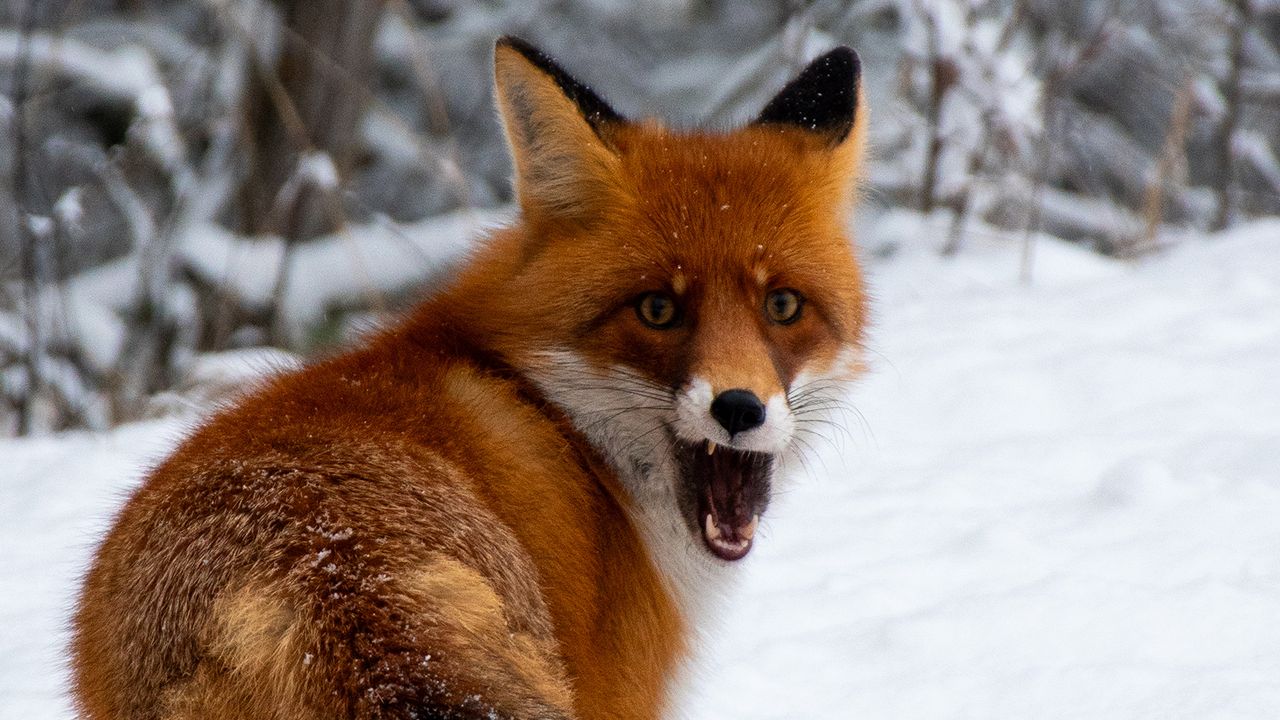
The study captured the immediate ecological consequence of military operations in an already-damaged landscape. Researchers installed motion-activated cameras across the zone and compared recordings from before, during, and after the Russian occupation. Mammals including boar, deer, and foxes reduced their movement patterns substantially when troops were present. Nighttime activity plummeted most sharply, suggesting that animals avoided peak darkness hours when human presence and military equipment intensified.
The Chernobyl exclusion zone, established after the 1986 nuclear disaster, has evolved into an unintended wildlife refuge where populations of large mammals rebounded over decades despite residual radiation. This created a unique natural experiment for researchers to observe how external disturbances affect recovering ecosystems.
War disrupted these population dynamics almost immediately. The influx of military personnel, vehicles, and weapons created sensory and physical disturbances that forced animals to alter fundamental survival behaviors. Reduced activity patterns can carry consequences for feeding, reproduction, and social structure, though researchers are still assessing longer-term population impacts.
The findings underscore how contemporary conflicts extend beyond human populations to disrupt ecological systems. Even in zones designated for conservation or scientific study, military action generates cascading effects on animal communities. The research documents that wildlife responds rapidly to military occupation, shifting behavior within days or weeks rather than months.
The work represents one of the few systematic assessments of war's direct impact on wildlife behavior using objective camera trap data rather than anecdotal observations. It provides a quantifiable baseline for understanding how ongoing military operations shape the recovery prospects of wildlife populations in one of the world's most contaminated yet biologically active