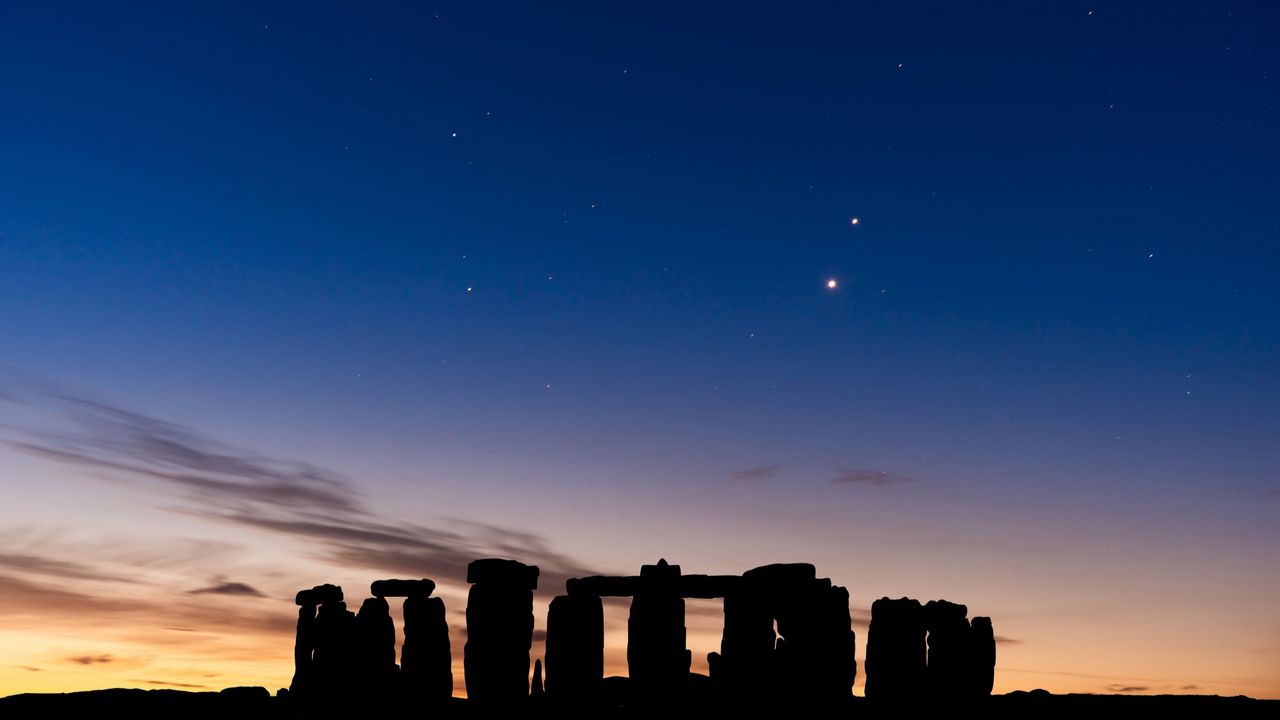
June offers ideal conditions for people beginning amateur astronomy, according to stargazing guides. The combination of short nights and exceptionally bright stars creates a low-pressure environment for newcomers to learn celestial navigation.
The shorter nights of June, occurring near the summer solstice in the Northern Hemisphere, mean fewer hours of darkness to navigate. This compressed timeframe helps beginners focus their efforts rather than facing an entire night of observation. Fewer hours also reduce fatigue during initial learning sessions.
Bright stars dominate the June sky across both hemispheres. The summer constellations feature some of the most luminous stars visible from Earth. Vega in Lyra, Arcturus in Boötes, and Spica in Virgo shine prominently overhead in Northern Hemisphere skies. These bright reference points serve as reliable guides for locating fainter objects and understanding star patterns. Beginners can identify constellations without requiring binoculars or telescopes, building confidence in basic stargazing skills.
The warmer temperatures in June also remove a practical barrier for new observers. Summer weather means comfortable outdoor observation sessions without heavy winter clothing. People can spend extended time under the stars without discomfort limiting their practice.
June's atmospheric conditions typically favor clear viewing. Lower humidity in many regions and fewer temperature inversions reduce atmospheric turbulence that distorts distant light. Stable air creates sharper star images for naked-eye observation.
Experienced stargazers recommend starting with recognizable patterns rather than attempting to locate distant galaxies or nebulae. June's bright stars make this approach natural. Learning to identify Ursa Major, Ursa Minor, and Orion provides foundational skills transferable to more complex celestial mapping throughout the year.
Summer observing sessions also align with social opportunities. Many astronomy clubs host public viewing nights during warm months, connecting newcomers with experienced observers who