Flavanols, naturally occurring plant compounds, offer heart protection beyond basic fruit and vegetable consumption, according to recent research. Eating five daily servings of produce may fall short if those foods lack adequate flavanol content.
Flavanols belong to a class of polyphenols found in specific plant foods. They function as antioxidants and anti-inflammatory agents, working through multiple pathways to protect cardiovascular tissue. The compounds improve blood vessel function, reduce blood clotting risk, and lower blood pressure through mechanisms that enhance nitric oxide production.
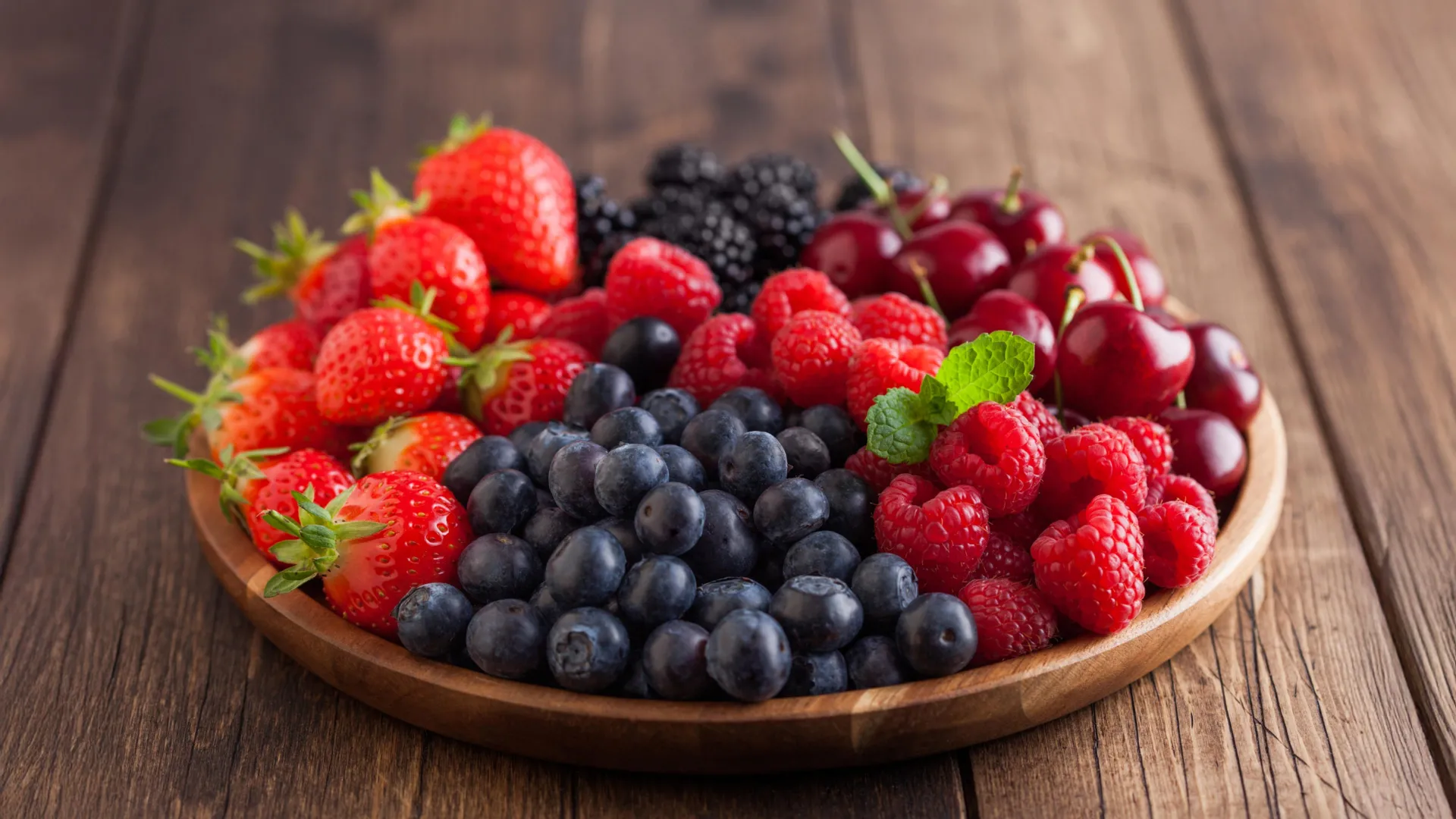
Researchers identified particular foods as flavanol powerhouses. Blackberries, plums, apples, broad beans, and cherries deliver substantial amounts. Green tea provides another concentrated source. Many people consume generic produce without considering flavanol density, missing cardiovascular benefits available from targeted choices.
Standard dietary guidance emphasizing five daily servings assumes equal nutritional benefit across all fruits and vegetables. This approach overlooks nutrient density variations. Two apples deliver far more flavanols than two servings of carrots, despite both counting toward daily intake goals.
Previous studies linked flavanol consumption to reduced cardiovascular disease risk, improved endothelial function, and lower heart attack and stroke rates. A 2023 European Heart Journal analysis found that regular flavanol intake correlated with decreased mortality across multiple cohorts. Doses as modest as 400-600 mg daily showed protective effects.
The research carries practical implications for dietary counseling. Cardiologists and nutritionists increasingly recommend flavanol-rich foods alongside traditional heart-healthy guidance about sodium reduction and saturated fat limitation. Food industry reformulation efforts now target flavanol retention during processing.
Limitations exist in current evidence. Most studies remain observational, establishing association rather than causation. Bioavailability varies among individuals based on gut microbiota composition, meaning identical flavanol intake produces different