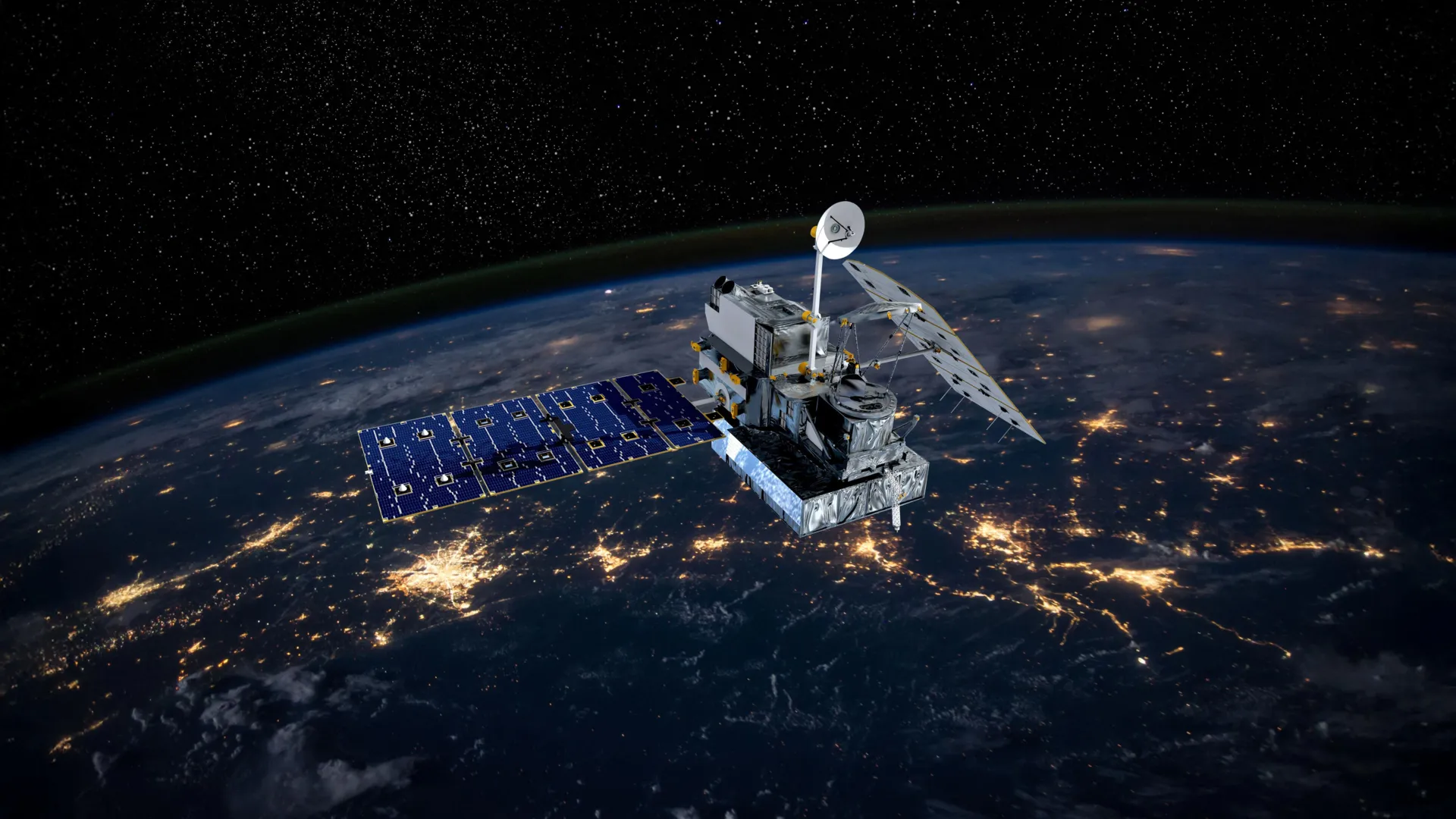
SpaceX is exploring space-based data centers to meet surging computational demands from artificial intelligence applications. The company sees orbital facilities as a solution to Earth-based constraints: unlimited solar energy access and avoidance of terrestrial environmental impacts like water consumption for cooling.
The concept faces formidable engineering obstacles. Thermal management in the vacuum of space presents unique challenges. Equipment degrades faster under constant radiation exposure. Maintenance requires costly spacecraft missions. Orbital debris poses collision risks to expensive infrastructure. Power transmission from space to ground stations involves efficiency losses.
Space-based computing is not entirely new. NASA and researchers have studied orbital processing for decades, but AI's explosive growth has revived commercial interest. SpaceX's Starshield military program and broader satellite constellation experience position the company to tackle infrastructure challenges others struggle with.
The economics remain uncertain. Launch costs have dropped significantly under SpaceX's reusable rocket model, but data center construction in orbit would still demand enormous capital investment. Energy beaming technology to transmit power to Earth remains underdeveloped at scale. Latency for real-time AI applications could become prohibitive depending on orbital altitude.
Competitors including Amazon Web Services have considered similar proposals. No company has yet deployed a functional orbital data center. Regulatory frameworks governing space-based infrastructure are still developing, particularly around spectrum allocation and orbital slot assignments.
The fundamental appeal persists. Earth-based data centers consume roughly 1 to 2 percent of global electricity, with concentrated geographic footprints creating local environmental strain. Space eliminates certain terrestrial constraints entirely. Solar panels in orbit capture unfiltered sunlight continuously, unobstructed by weather or day-night cycles.
Success requires solving multiple interlocking problems simultaneously. Heat dissipation, radiation shielding, debris avoidance, and cost reduction all demand breakthroughs. SpaceX's technical capabilities suggest serious feas