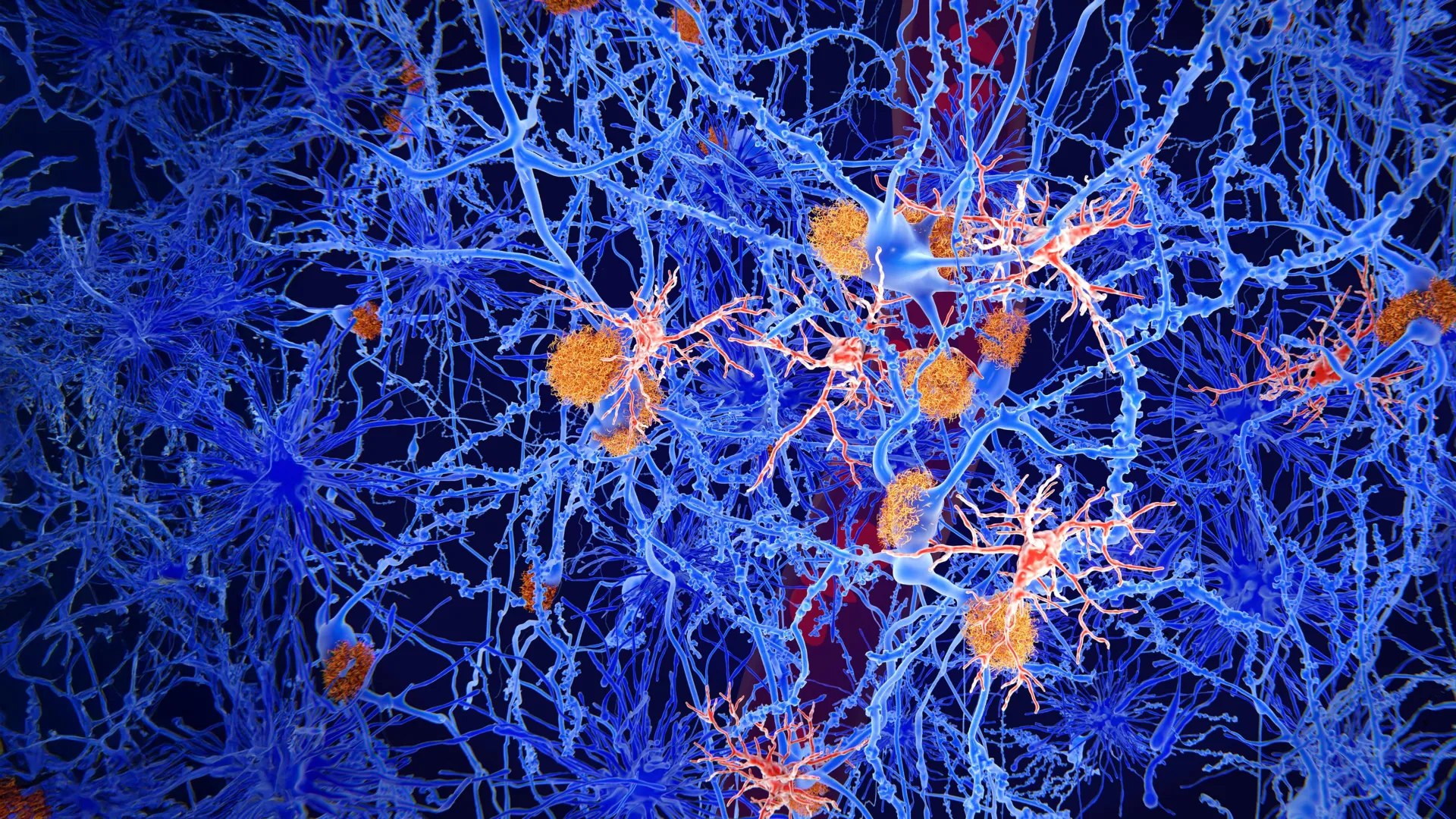
Researchers have identified a molecule that reprograms brain immune cells to combat Alzheimer's disease, opening a potential new treatment avenue. Scientists found that a compound called OLE restored microglia—the brain's resident immune cells—to a protective state in Alzheimer's disease models.
Microglia normally clear toxic protein accumulations in the brain. In Alzheimer's disease, these cells become dysfunctional and shift into a harmful inflammatory state that accelerates neurodegeneration. The new work demonstrates that OLE reversed this shift, restoring microglia's ability to defend against the disease.
In Alzheimer's models treated with OLE, researchers observed reduced buildup of amyloid-beta plaques, the hallmark toxic protein deposits that damage neurons. Memory performance improved following treatment, suggesting functional cognitive recovery rather than isolated cellular changes.
The approach targets a fundamental mechanism underlying Alzheimer's pathology. Rather than attacking plaques directly, this strategy reactivates the brain's own immune system to handle the burden. This distinction matters because direct plaque-targeting therapies have shown modest clinical benefits while carrying risks of microhemorrhages.
The research builds on growing recognition that neuroinflammation drives Alzheimer's progression. Several recent therapeutic candidates focus on manipulating glial cell function, reflecting this shift in drug development strategy. OLE represents a promising entry in this category.
The work remains in preclinical stages using animal models, however. Researchers must confirm that OLE crosses the blood-brain barrier effectively in humans, establishes appropriate dosing without side effects, and produces the observed benefits in clinical trials. The molecular mechanisms explaining how OLE reprograms microglia require further characterization.
The timing aligns with increased investment in immune-modulating Alzheimer's therapies. If human trials validate these findings, OLE could complement existing treatments targeting amyloid