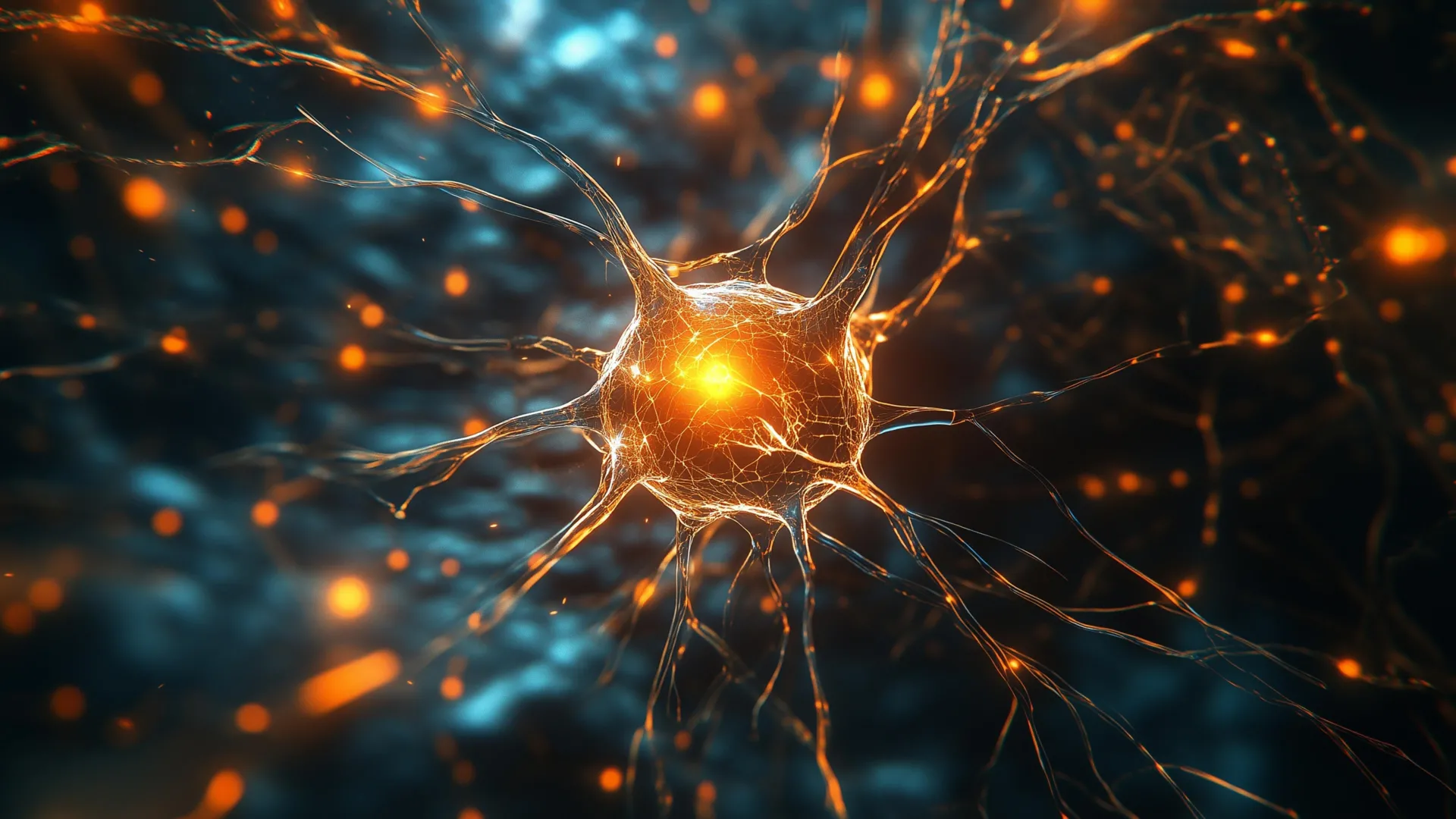
Researchers have identified a new mechanism in Alzheimer's disease development that shifts focus from amyloid beta plaques as the primary culprit. Instead, scientists propose that amyloid beta disrupts tau, a protein essential for neuronal function, triggering a cascade of damage that ultimately produces the hallmark brain changes associated with Alzheimer's.
The finding challenges the dominant amyloid hypothesis that has guided Alzheimer's research for decades. While amyloid beta accumulation occurs in Alzheimer's brains, it has remained unclear why some people with significant plaque buildup never develop symptoms. This research suggests the real pathology begins when amyloid beta interferes with tau's normal protective role in neurons.
Tau proteins stabilize structures called microtubules that transport nutrients and other essential molecules throughout neurons. When amyloid beta disrupts this process, tau becomes dysfunctional, leading to neuronal death and cognitive decline. The mechanism explains why tau tangles, not just amyloid plaques, appear so prominently in Alzheimer's pathology.
This discovery has practical implications for drug development. Many failed Alzheimer's treatments targeted amyloid alone, which may explain their ineffectiveness. New therapeutic strategies could focus on preventing amyloid-tau interactions or restoring tau function, potentially proving more successful than previous approaches.
The research provides context for recent FDA-approved monoclonal antibodies against amyloid, which showed modest cognitive benefits in early-stage disease. Understanding the amyloid-tau connection could refine patient selection for these treatments and guide development of tau-targeted therapies.
Scientists emphasize that this mechanism does not eliminate amyloid's role in disease but reframes it as a trigger rather than the primary cause. The amyloid-tau interaction model represents a significant shift in how researchers understand neurodegeneration and opens new avenues for interventions