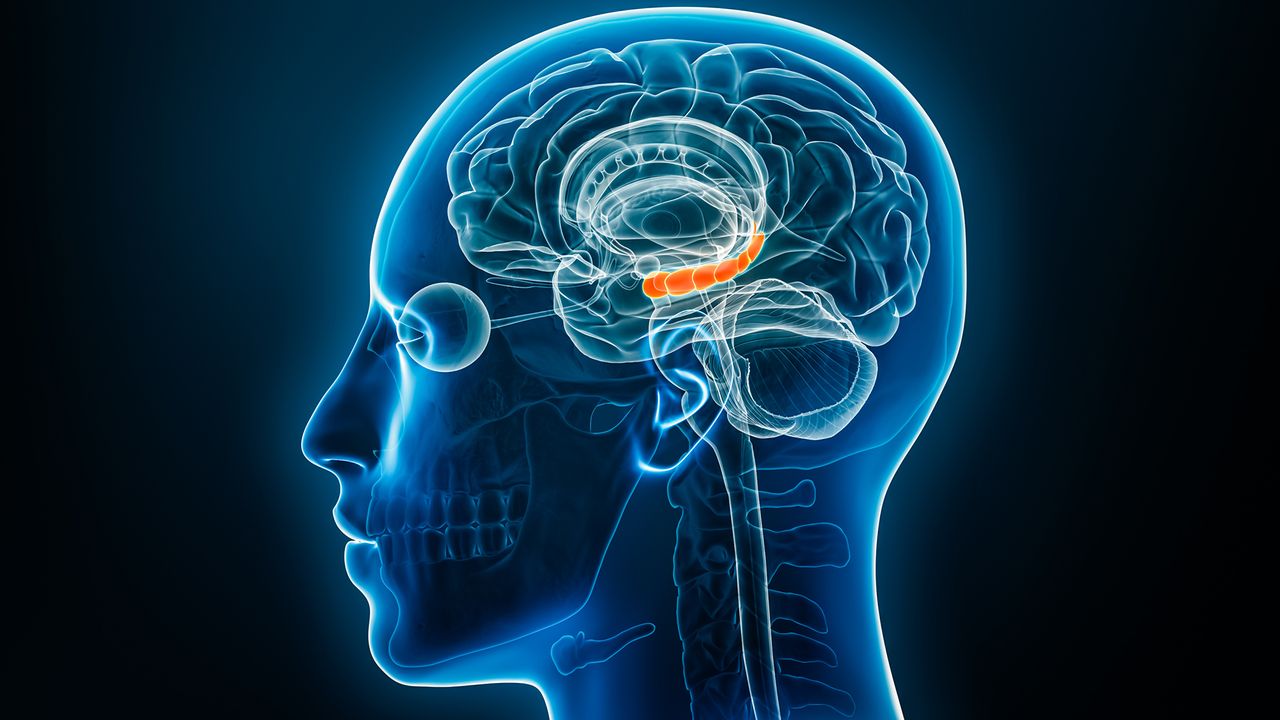
Researchers have identified estrogen as a critical regulator of how the brain resists trauma-induced memory damage, according to new findings from a mouse study. The work suggests that estrogen levels in both male and female brains influence whether the brain maintains memory function under extreme stress.
Traumatic experiences frequently impair memory formation and recall. This new research pinpoints estrogen's protective role in buffering the brain against these stress-related cognitive deficits. The hormone appears to work by maintaining neural resilience when the brain faces traumatic stimuli.
The study examined memory performance in mice exposed to stressful conditions while varying their estrogen levels. Researchers observed that animals with higher estrogen levels showed greater resistance to stress-induced memory problems compared to those with lower levels. This relationship held true in both male and female mice, suggesting estrogen's protective effects transcend sex.
This finding challenges the common assumption that estrogen effects matter primarily in females. Males also produce estrogen in the brain through conversion of testosterone, and this study demonstrates that estrogen in male brains serves similar protective functions against stress-related memory damage.
The research carries implications for understanding trauma-related conditions like post-traumatic stress disorder, where memory disturbances are central symptoms. If estrogen's protective mechanisms translate to humans, hormone-based interventions might help prevent or reduce memory problems following traumatic exposure.
However, the work remains limited to mouse models. Animal studies frequently fail to replicate in humans due to differences in brain complexity and medication metabolism. Additionally, the research does not yet clarify the precise biological mechanisms by which estrogen confers this protection or identify optimal estrogen levels for maximum resilience.
Future research should explore whether estrogen enhancement strategies could serve as preventive treatments for trauma survivors, while also investigating how age-related declines in estrogen might increase vulnerability to stress-related memory disorders in both sexes. Clinical trials would be